How to Play War: Rules, Strategies & Free Games
If you've ever searched как играть в War — whether you're a Russian-speaking player curious about war-themed games or someone who just discovered this classic genre — you've landed in the right place. War games span everything from a simple card-flipping game that kids learn in minutes, to massive strategy titles that demand hours of careful planning. This guide breaks down the rules, shares real strategies that work, and points you toward the best free war games you can play right now, no download required.
What Is War?
The word "war" in gaming covers a surprisingly wide range of experiences. At its most basic, War is a classic card game — one of the simplest card games ever invented. Two players each flip cards simultaneously, and the higher card wins both. Sounds trivial? It can be, but the concept scales beautifully into complex digital formats where skill, timing, and decision-making actually matter.
In the broader gaming world, war games include:
- Card-based war games — the classic flip mechanic, often with power-ups and special rules
- Tower defense and strategy games — hold your ground while enemy waves attack
- Real-time combat games — direct control over units, tanks, soldiers, or heroes
- Arena battle games — team-based or solo PvP fights with military themes
- Simulation war games — historical or fictional conflicts with resource management
What unites all of them is the core tension: someone attacks, someone defends, and only one side wins. That fundamental conflict is what makes war games endlessly compelling.
Как играть в War: The Classic Card Game Rules
Before we get into digital war games, it's worth knowing the rules of the original card game — because many online versions are built on exactly this foundation.
Setup: A standard 52-card deck is split evenly between two players, 26 cards each. Cards are placed face-down in a pile in front of each player.
Basic gameplay:
- Both players simultaneously flip the top card from their pile
- The player with the higher card wins both cards and places them at the bottom of their pile
- Card ranking follows standard poker order: 2 is lowest, Ace is highest
- The goal is to collect all 52 cards — or to have the most cards when a time limit hits
What happens when cards tie? This is the iconic "war" moment:
- Both players place 3 cards face-down on top of the tied cards
- Then each player flips a 4th card — the higher card wins ALL cards on the table
- If there's another tie, the process repeats
Winning: The game ends when one player has all 52 cards, or (in timed versions) when one player runs out of cards entirely.
The classic version has no strategy — it's 100% chance. But digital adaptations almost always add strategic layers: choosing which cards to play, managing resources, using special abilities at the right moment. That's where skill enters the picture.
Как играть в War: Strategies That Actually Work
Even in games with random elements, smart players consistently outperform lucky ones over time. Here's how to tilt the odds in your favor across different war game formats.
Managing Your Resources
In war strategy games, resources (money, troops, energy) are your lifeblood. The biggest mistake beginners make is spending everything immediately. Instead:
- Keep a reserve — always hold back 20-30% of your resources for emergencies
- Prioritize upgrades over quantity — five strong units beat fifteen weak ones in most formats
- Know your win condition — some games reward fast aggression, others reward turtling until you build an overwhelming force
Reading the Battlefield
Map awareness separates average players from good ones. Before committing to an attack:
- Identify chokepoints — narrow passages where defenders have a massive advantage
- Watch enemy movement patterns — most AI opponents have predictable behaviors
- Use high ground when available — in most war games, elevation gives attack or defense bonuses
Timing Your Attacks
Patience is a genuine war strategy. Launching an attack at the wrong moment wastes resources and momentum. The best moments to strike:
- Immediately after the enemy commits resources elsewhere
- When you have a clear numerical or positional advantage
- During the opponent's "reload" phase — right after they've used their big abilities
Adapting Mid-Game
Rigid strategies fail. If your opening plan isn't working after the first few exchanges, recognize it early and pivot. The players who stick rigidly to a failing plan are the easiest to beat.
Night Shifts and Survival: War on Your Own Terms
Not all war is about armies clashing in open fields. Some of the most intense war game experiences happen in confined spaces, where you're one person holding the line against overwhelming odds.
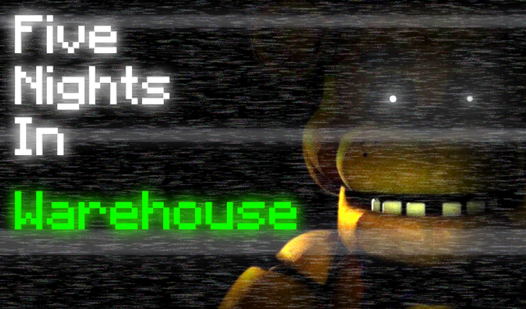
Five Nights in Warehouse drops you into exactly that scenario. You're a night guard defending a warehouse against animatronic threats — watching cameras, managing power, surviving until morning. The tension is relentless, the mechanics reward observation and quick thinking, and every night feels like a genuine battle for survival. If you enjoy stealth-based war scenarios where information is your main weapon, this one delivers.

Five Nights in Warehouse
Horror enthusiasts with a taste for survival strategy will love the tension found in Five Nights in Warehouse. Surviving until dawn requires keeping a...
▶ Play FreeTank Battles and War Arenas
Few things capture war's raw mechanical power better than tank combat. Tanks are slow, devastating, and require completely different tactics than infantry — you're thinking about angles, armor, reloading times, and positioning rather than sprinting and shooting.
Tanks Duel: War Arena brings that experience to the browser in a satisfying way. Customize your loadout, choose your battlefield position carefully, and challenge opponents in direct duels. The game rewards players who understand cover mechanics and who can anticipate where the enemy will move before they move there. Don't charge in. Find cover, force the enemy to come to you, and punish their overconfidence.
For a completely different tank experience with more arcade energy, Tanks 2D: War! keeps things fast and chaotic. The 2D perspective changes everything — you're thinking about trajectories and bounce shots rather than 3D positioning. Great for quick sessions when you want pure action without the tactical overhead.
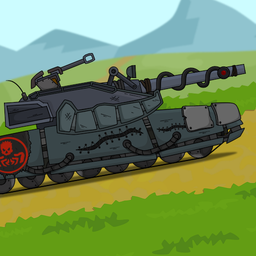
Tanks 2D: War!
Staring at the clock and waiting for your shift to end can feel like an eternity, but a quick tactical explosion is exactly what you need to recharge....
▶ Play FreeMedieval War: Swords, Shields, and Team Battles
Before gunpowder changed warfare forever, battles were fought at arm's length with bladed weapons. Medieval war games capture something visceral that modern military games sometimes miss — the physical closeness of combat, the sound of clashing steel, the importance of individual skill alongside unit coordination.
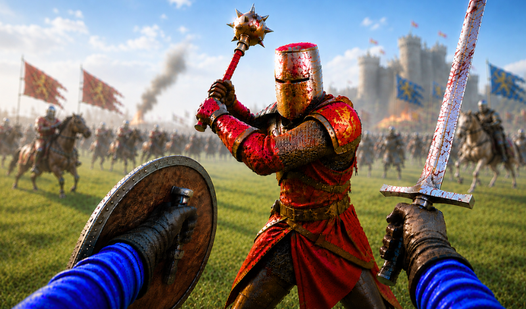
War The Knights: Battle Arena Swords 3D immerses you in exactly that world. Team battles, detailed character progression, and genuine skill expression separate winners from losers here. Learning the attack and block timing is essential — button mashing gets punished quickly at higher levels. Take time to understand your character's moveset before jumping into competitive matches.
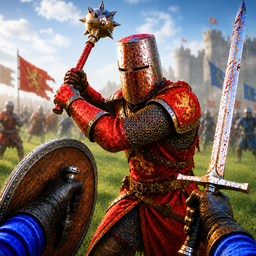
War The Knights: Battle Arena Swords 3D
Swing your blade and claim dominance as you charge into intense medieval combat. War The Knights: Battle Arena Swords 3D forces you to master precisio...
▶ Play FreeWar Simulations: Historical Context Meets Strategy
Some of the best war games draw from real historical periods. Playing a war simulation set in 1985 — peak Cold War tension — hits differently than a fantasy setting. The tech, the factions, the geopolitical context all add weight to your decisions.
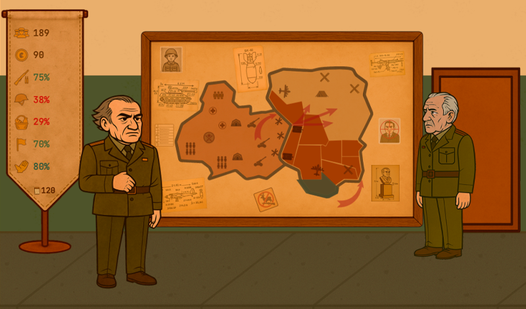
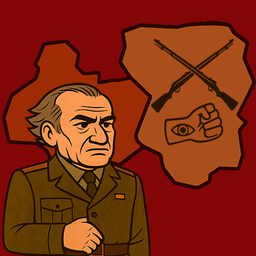
War Simulator: 1985 leans into that Cold War atmosphere. The 1985 setting means Warsaw Pact versus NATO dynamics, era-appropriate equipment, and the unique strategic calculus of that period. If you enjoy war games with historical grounding, this one is worth your time.
War Simulator: 1985
History is written by those who survive the toughest choices on the battlefield. War Simulator: 1985 places you in the command chair of Gradnar where ...
▶ Play FreeTake the conflict to space, and the tactical options explode. Gravity, three-dimensional movement, energy weapons, and alien factions create war scenarios that feel genuinely different from anything terrestrial.
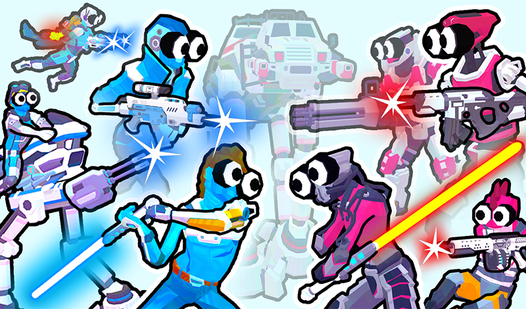
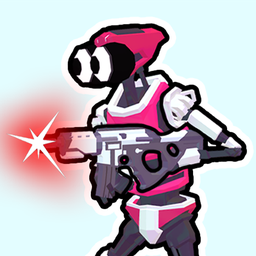
Space Wars Battleground handles that sci-fi war experience well. The controls take a session to get comfortable with, but once you've adapted to the spatial combat model, the game opens up significantly. Flanking in three dimensions, using asteroid fields as cover, timing weapon cooldowns — this is war strategy at its most expansive.
Space Wars Battleground
Hardcore fans of outer space warfare and intense survival challenges will find their new obsession here. Space Wars Battleground puts you right in the...
▶ Play FreeFaction Wars: Choosing Your Side
One of war gaming's most compelling hooks is faction identity. When you're fighting for a specific group — not just "the blue team" but a faction with lore, aesthetics, and distinct playstyle — the stakes feel higher. Losses sting more. Victories feel earned.
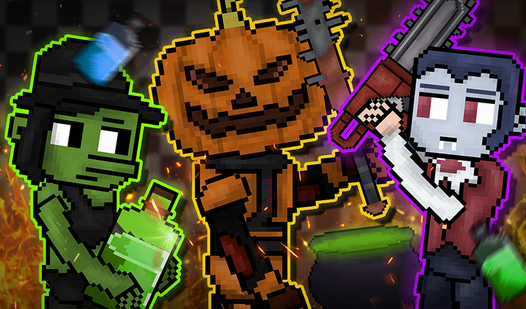
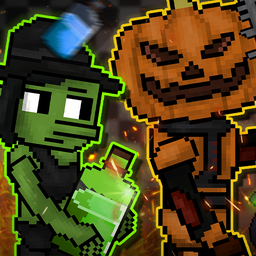
Halloween Playground: Faction Wars wraps this in a seasonal theme that works surprisingly well. Two factions battle for control of the Arena of Nightmares on Halloween night, and the visual theming doesn't undercut the strategic depth — it enhances the atmosphere. Understanding your faction's strengths and building your playstyle around them is the key to winning here.
Halloween Playground: Faction Wars
Select your faction and command armies of monsters in Halloween Playground: Faction Wars to claim dominance over the Arena of Nightmares. You will str...
▶ Play FreeStick Heroes and Strategic Tower Wars
Sometimes war games strip away all the visual complexity and keep only the strategic skeleton. No elaborate graphics, no story — just pure tactical decision-making expressed through minimalist design.
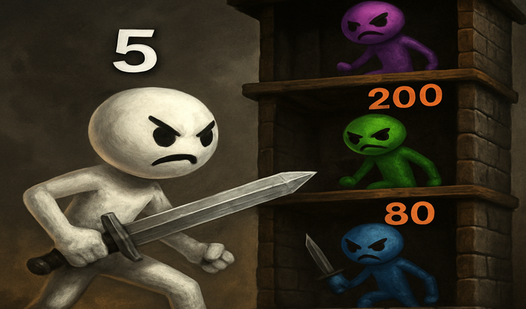
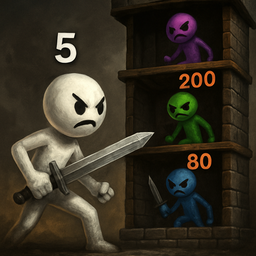
Stick Hero: Epic Tower of War does exactly this. The stick-figure aesthetic is intentional — it focuses your attention entirely on the gameplay mechanics. Calculate your moves, defeat enemies efficiently, manage your resources across escalating challenges. There's something almost zen about war strategy in its purest, most minimal form.
Stick Hero: Epic Tower of War
Staring at the clock waiting for the workday to end leaves you craving a quick mental challenge to sharpen your focus. Stick Hero: Epic Tower of War i...
▶ Play FreeMore War Games Worth Your Time
The variety of war gaming available for free online is genuinely impressive. Here are several more that cover different sub-genres:
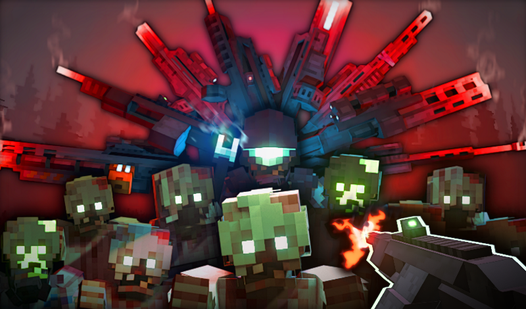
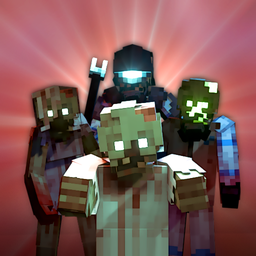
Undead Warfare brings zombie apocalypse mechanics into the war framework. Defending against undead waves requires different thinking than fighting human opponents — the enemy doesn't fear death, doesn't retreat, and comes in overwhelming numbers. Resource conservation and chokepoint defense are everything here.
Undead Warfare
Fans of high-octane zombie shooter action will find their new obsession in Undead Warfare. This engaging title blends intense combat with a distinct b...
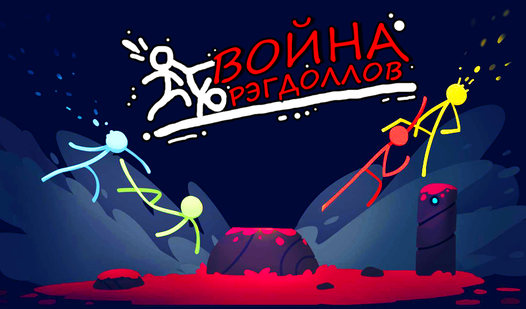
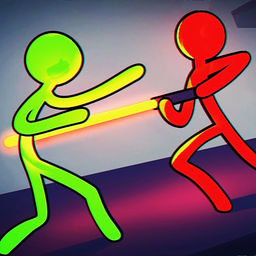
▶ Play FreeThe Ragdoll War takes a physics-based approach to combat that's equal parts chaotic and strategic. Ragdoll physics mean every collision has unpredictable consequences, so rigid tactics fail — you need to adapt in real-time and use the environment creatively. It's a genuinely fresh take on war game mechanics.
The Ragdoll War
Physics-based combat games turn every movement into a hilarious struggle for survival where gravity is your biggest enemy. The Ragdoll War transforms ...
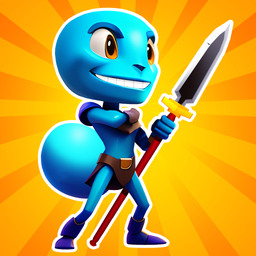
▶ Play FreeAnt War: Merge and Battles proves that war doesn't require human soldiers or massive machines. Colony warfare among insects is strategic in a completely different way — resource gathering, colony expansion, species advantages, and territory control replace conventional military thinking. The merge mechanic adds a satisfying upgrade loop that keeps you engaged across long sessions.
Ant War: Merge and Battles
Strategy enthusiasts and fans of casual warfare will find themselves completely obsessed with leading a tiny legion in Ant War: Merge and Battles. Thi...
▶ Play FreeHow to Get Better at War Games Fast
Improvement in war games follows a predictable path when you're intentional about it.
Play for understanding, not just winning. When you lose, spend 30 seconds thinking about why. Did you overextend? Did you misread the opponent's strategy? Did you run out of resources at a critical moment? Losses are information.
Master one game before moving to another. The temptation to jump between titles is real, but depth in a single game teaches you more than surface-level play across ten. Spend enough time in one war game that you start predicting enemy patterns and recognizing optimal positions automatically.
Watch how better players play. Many war games have streamers or community content showing high-level play. Even 15 minutes of watching someone significantly better than you reveals tactical concepts you haven't considered.
Adjust difficulty gradually. Starting on the hardest difficulty and restarting when you lose teaches frustration, not skill. Find the difficulty level where you win 40-60% of the time — that's the learning zone.
Learn the counters. Every unit, strategy, and build in war games has a counter. Memorizing the counter relationships is often worth more than raw mechanical skill, especially in strategy-focused titles.
Why Play War Games Online?
The browser-based war game space has matured dramatically over the past few years. What once meant choppy Flash games with basic AI now means genuinely polished experiences with smooth gameplay, multiplayer support, and meaningful strategic depth.
Playing war games online — especially на FreeJoy, where everything is free and registration-free — removes every barrier between you and the game. No installation, no credit card, no waiting. You're in the action within seconds.
The community around online war games is also surprisingly active. Players share strategies, discover hidden mechanics, and compete in informal leaderboards. For casual players, this means there's always someone at your skill level to learn from or compete against.