How to Play Train Games: Rules, Strategies & Free Picks
Train games have been rolling through browser gaming for years, and it's easy to see why. Whether you're routing traffic on a busy rail network, defending a locomotive from waves of zombies, or just piecing together a scenic puzzle, the "train" tag covers a surprisingly wide range of gameplay styles. This guide breaks down how to play Train games — the rules you'll encounter across the genre, strategies that actually work, and the best free titles you can play right now without installing anything.
What Are Train Games?
Train games are browser and mobile titles where trains, railways, or locomotives sit at the center of the action. The genre isn't locked to one mechanic — it spans puzzle games, idle managers, tower defense titles, racing games, and casual arcade experiences. What ties them together is the rail theme: you're either driving a train, building a network, protecting one, or solving puzzles built around them.
Most train games share a few common threads:
- Rail-based movement — units move along fixed or semi-fixed paths
- Resource management — passengers, cargo, fuel, or coins flow through your decisions
- Escalating difficulty — early levels are forgiving, later ones demand sharper thinking
- Casual accessibility — most are pick-up-and-play, no tutorials required
The beauty of the genre is that "train" can be a setting, a mechanic, or just a visual theme. That flexibility is why train games stay fresh across so many subgenres.
Rules and Core Mechanics
Puzzle and Jigsaw Train Games
In jigsaw-style train games, your goal is simple: assemble scattered pieces into a complete image, usually a scenic train or railway landscape. The rules are intuitive — drag, rotate, and place pieces until the picture is whole. Difficulty scales by piece count; beginner modes might give you 25 pieces while expert modes push past 200.
Key rule to remember: always work the edges first. Border pieces have at least one straight side, making them easier to place. Once your frame is set, fill in by color clusters and distinctive features like the locomotive cab or track details.
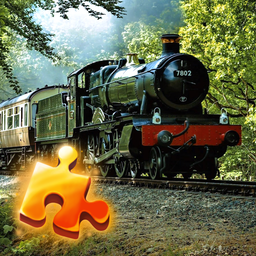
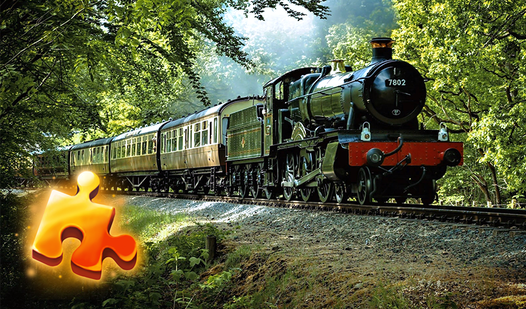
Train Jigsaw Puzzle
Rail enthusiasts and logic fans will find their new favorite pastime with the relaxing Train Jigsaw Puzzle. This engaging experience challenges your b...
▶ Play FreeTower Defense Train Games
Tower defense meets rail warfare in games where your train or track network is the thing you're protecting. Enemies approach in waves — sometimes from multiple angles — and you place defensive units to stop them before they reach your locomotive. Rules vary by title, but the fundamentals stay consistent:
- You have a limited budget to place towers or defenders
- Enemies follow a fixed or semi-fixed path
- Your train or base has a health pool; let too many enemies through and it's game over
- Between waves you earn currency to upgrade or add defenses
Strategic placement is everything here. Chokepoints — narrow sections of track or path — are gold. Stack your strongest defenses there and use cheaper units to handle overflow.
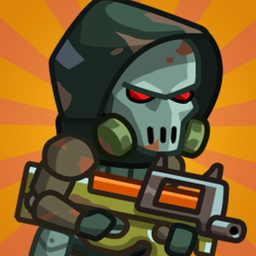
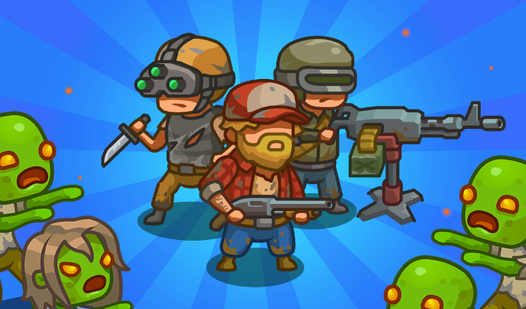
Tower Train: Zombie Defense 2D
Command a high-stakes tactical defense as you fortify your subway station against relentless waves of mutants in Tower Train: Zombie Defense 2D. You w...
▶ Play FreeArcade Defense Train Games
Some train games strip tower defense down to its most immediate form: enemies come at your locomotive in real time, and you're the one doing the shooting or deflecting. The rules lean more toward reflex than planning — you react, aim, and eliminate threats before they connect. Upgrades still matter, but muscle memory carries you further here than in traditional tower defense.
Pacing is faster, levels are shorter, and the satisfaction loop runs on quick wins rather than long strategic sessions.
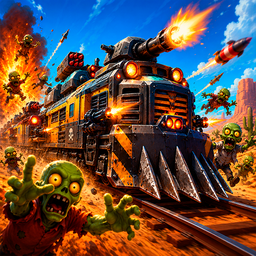
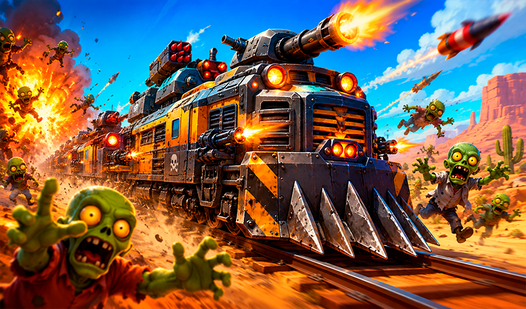
Defence Train
Fans of intense survival challenges will find Defence Train the ultimate test of their tactical reflexes. You become the sole guardian of a moving loc...
▶ Play FreeIdle and Management Train Games
Idle railway games play by entirely different rules. You're not reacting to threats — you're building and optimizing a system. The core loop goes like this:
- Build or upgrade a station
- Send trains on routes to earn currency
- Use that currency to expand your network
- Repeat, with each upgrade multiplying your earning speed
The "rules" here are really economic constraints: you can only expand as fast as your income allows, certain upgrades unlock other upgrades, and efficiency decisions compound over time. The longer you let an idle game run, the more powerful your position becomes.
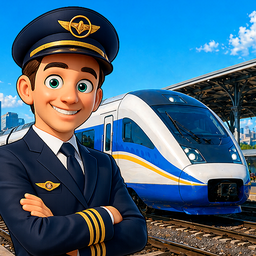
Idle Railway Tycoon. Train Empire
Simulation enthusiasts who dream of managing a massive transport hub will lose track of time while building their own transport empire. Idle Railway T...
▶ Play FreeCollection and Routing Games
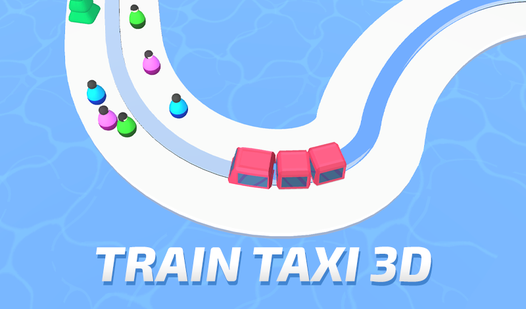
Train taxi and passenger-collection games introduce a spatial puzzle layer. You control a train moving through a grid or open environment, and your job is to pick up passengers (or cargo) and deliver them to the right destination. Think Snake mechanics crossed with a logistics puzzle.
Rules to know:
- Your train grows longer as you collect passengers
- Crashing into your own tail or obstacles ends the run
- Efficiency matters — faster collection = higher scores
- Later levels add multiple destinations and time pressure
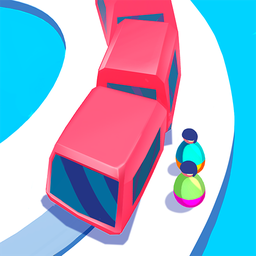
Train Taxi 3D
Staring at the clock and waiting for your next meeting to start is the ultimate productivity killer. Train Taxi 3D turns those wasted minutes into a t...
▶ Play FreeStrategies and Tips That Actually Work
For Puzzle Games
Sort before you place. Before touching a single piece, sort your pile roughly by color or pattern. Blues go to the sky section, browns to the locomotive, greens to the landscape. This sounds obvious but saves real time on high-piece-count puzzles.
Use reference points. The locomotive cab, a station sign, or a distinctive colored car — these high-contrast areas are your anchors. Build outward from them rather than trying to complete one edge entirely before starting another.
Don't force pieces. If a piece doesn't snap cleanly, it's not the right spot. Forcing pieces wastes time and creates cascading errors as you try to fit neighbors into the wrong gap.
For Tower Defense and Arcade Defense
Prioritize upgrade depth over breadth. It's tempting to place as many towers as possible, but a few highly upgraded defenses beat a spread of weak ones in most train defense games. Pick your best chokepoint, max it out, then expand.
Don't ignore splash damage. When enemy waves group up (and they will), single-target towers can only kill one unit at a time. Splash or area-effect towers earn their cost back fast against clusters.
Save currency between waves. Spending every coin at the end of each wave feels productive but leaves you vulnerable to sudden difficulty spikes. Keep a buffer — usually enough for one emergency tower placement — going into harder waves.
Learn the enemy roster. Fast but weak enemies need fast-firing towers. Armored slow enemies need high-damage focused fire. Most tower defense games recycle 3-5 enemy types; once you recognize them, you can pre-position for what's coming.
Best Free Train Games to Play Right Now
The titles above cover the core mechanics, but here's a sharper look at what each one actually delivers — plus a few more worth your time.
Train Jigsaw Puzzle remains the most relaxed entry point into the tag. Multiple difficulty tiers mean casual players and puzzle veterans both find their level. The locomotive photography is genuinely good — this isn't stock-image filler.
Tower Train: Zombie Defense 2D is where the genre gets teeth. The zombie wave pressure combined with the rail setting creates genuine tension. Surviving later waves requires rethinking your tower placement from scratch — what worked at wave 5 falls apart by wave 15.
Defence Train keeps it lean and immediate. If you have ten minutes and want something that rewards quick decisions over strategic planning, this is your pick.
Train Taxi 3D brings the collection-and-delivery mechanic into 3D space, which adds a layer of spatial reasoning the flat grid versions lack. The passenger variety keeps early levels entertaining while the increasing train length ramps difficulty naturally.
Idle Railway Tycoon: Train Empire is the longest-burn option here. Don't open it unless you're ready to lose track of time. The upgrade tree is deep and the satisfaction of watching your rail empire generate income while you're AFK is real.
Beyond those five, the train tag has a few gems worth checking out:
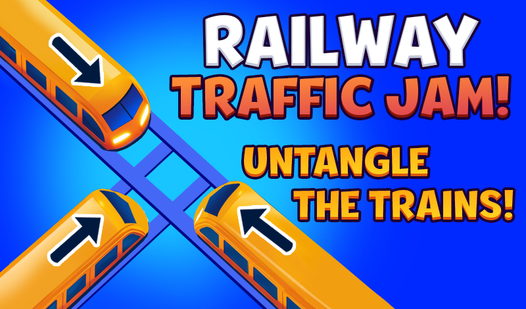
Railway Traffic Jam is a routing puzzle where you untangle overlapping train paths before they collide — think air traffic control but for locomotives.
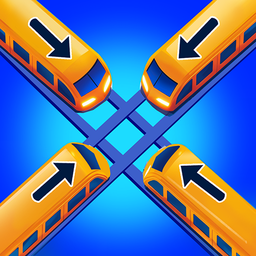
Railway Traffic Jam! Untangle the Trains!
Sorting chaotic train tracks requires sharp focus as you click individual engines to clear the grid in Railway Traffic Jam! Untangle the Trains!. Each...
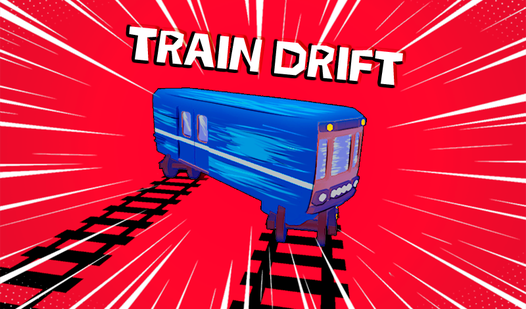
▶ Play FreeTrain Drift puts physics and style over strategy. Slide your locomotive through corners and see how far you can push a score multiplier. Less puzzle, more arcade fun.
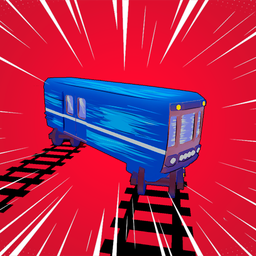
Train Drift
Master the art of high-speed cornering as you guide massive locomotives through tight turns in Train Drift. Controlling these iron giants requires ner...
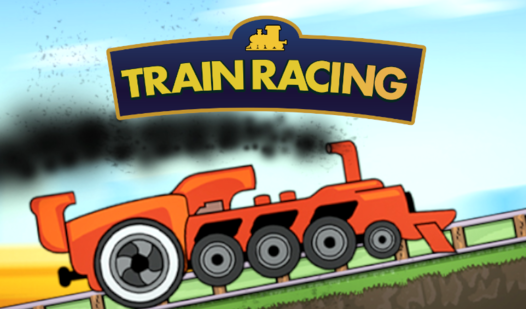
▶ Play FreeTrain Racing strips everything back to pure speed competition. If you want something that runs hot from the first second, this delivers.
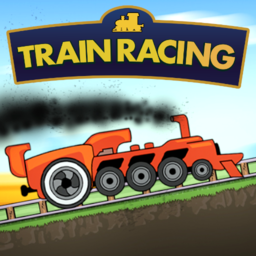
Train Racing
Master the tracks and outrun rivals in Train Racing by taking full command of a powerful locomotive. You will balance speed and precision to navigate ...
▶ Play FreeWhy Train Games Stay Popular
The genre's durability comes down to variety. "Train game" isn't a single experience — it's a theme that attaches to almost any mechanic. Puzzle players, strategy fans, idle gamers, and arcade reflex junkies all find something under this tag. That cross-genre range keeps the community wide and the game count growing.
There's also something fundamentally satisfying about trains as a game object. They move along paths, they have weight and momentum, they connect points across a map. Those properties translate naturally into puzzles, management games, and action titles alike. The constraints of rail-based movement — you can't just go anywhere — create interesting design challenges that developers keep finding new ways to solve.
Free browser versions remove the last barrier. You don't need to buy anything, sign up for anything, or wait for a download to finish. Find a game, click play, and you're in within seconds.
Tips for New Players
If you're new to train games specifically, a few general principles apply across the whole tag:
Start with what interests you most mechanically. If you like puzzles, go straight to the jigsaw titles. If you prefer action, hit the defense games first. Forcing yourself through a genre you don't enjoy to "learn the basics" isn't necessary here — each subtype teaches its own rules on the fly.
Don't rush upgrades in management games. Idle and tycoon titles reward patience. An upgrade that costs 3x more than the previous one will often generate 5x the income. Wait for the big jumps rather than incrementally spending on small gains.
Use the environment in defense games. Most tower defense titles on rail themes give you geographic advantages — natural chokepoints, elevated positions, or path curves. Learn the map layout before your first wave hits, not during it.
Accept early failures. Train games often use your first run to teach you the mechanics through loss. Dying on wave 8 the first time is normal. By run 3 you'll know exactly what to place differently.