How to Play Team Games: Rules, Tips & Free Options
Team games are some of the most exciting experiences you can have online — and if you've been wondering how to play Team-style games, what the rules are, and where to find the best free options, you're in the right place. Whether you're coordinating a squad in a shooter, merging units in a tactical battle, or just having fun with friends, team-based gameplay has a magic that solo play simply can't match. This guide covers everything: core mechanics, winning strategies, and a curated list of great team games you can play for free right now.
What Are Team Games and Why Are They So Fun?
At their core, team games are any games where players (or game-controlled units) work together toward a shared goal — or compete as organized groups against another side. The format spans dozens of genres: shooters, strategy games, puzzle co-ops, battle arenas, makeover challenges, ninja adventures, and more.
What makes team games special is the layer of social dynamics they add. Even in single-player games with team mechanics, you're constantly balancing individual skill against collective coordination. Do you rush forward or wait for backup? Do you play offense or hold a defensive line? These decisions create depth that keeps people coming back.
Team games also tend to have higher replay value. No two matches play out the same way, because the "team" variable — whether human or AI — introduces unpredictability. A strategy that crushed your opponent last round might fall apart the next time they adapt.
The format has exploded in browser and mobile gaming too. You don't need a gaming PC or a paid subscription to enjoy a well-made team game. Dozens of high-quality options run directly in your browser, no installation required.
How to Play Team Games: Core Rules and Basics
If you're new to team games, the rules can feel overwhelming at first. But most team-based formats share a set of common principles that, once you understand them, make everything click.
Roles and Positioning
Almost every team game assigns (or implies) distinct roles. You might have:
- Frontliners — absorb damage, distract enemies, hold positions
- Ranged or support units — deal damage or heal from a safe distance
- Flankers / scouts — move fast, attack from unexpected angles
Understanding which role you're filling is step one. Playing a tanky frontliner like a ranged attacker is a common beginner mistake — and it's a fast way to lose.
Win Conditions
Know what you're actually trying to achieve. Team games typically use one of these win conditions:
- Elimination — wipe out the entire opposing team
- Objective capture — control a point, flag, or zone
- Survival — last longer than the other team
- Score threshold — reach a set number of kills, points, or resources first
Reading the objective before jumping in sounds obvious, but many players skip it and wonder why they keep losing.
Respawn and Resource Systems
Many team games let you respawn after being eliminated. Some have cooldowns; others are instant. Resources — health packs, ammo, currency, upgrades — usually appear on a timer or are dropped by eliminated opponents. Knowing where resources spawn and timing your movement around them is a mid-level skill that separates decent players from good ones.
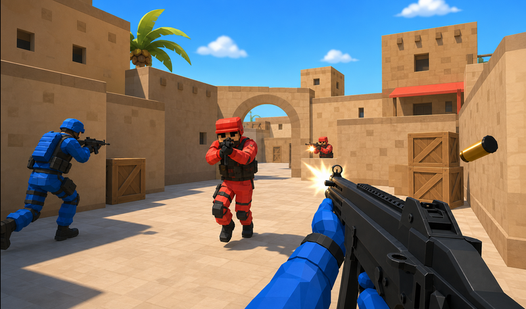
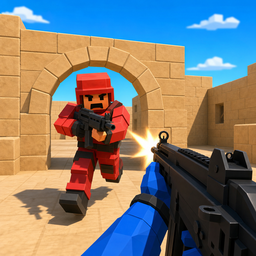
One of the cleanest examples of team-vs-team rules in action is Blockwarz: Team Shooting Game, where players are dropped into diverse environments and must coordinate as a unit to outlast the opposing squad. The shooting is satisfying, the maps reward positioning, and the team format means lone-wolfing gets punished quickly.
Blockwarz: Team Shooting Game
Fast-paced combat defines the modern era of browser gaming, where every millisecond counts toward victory. Blockwarz: Team Shooting Game channels that...
▶ Play FreeHow to Play Team Games: Strategies That Actually Work
Rules are just the starting point. Strategy is what turns a losing team into a winning one. Here are principles that apply across almost every team game format.
Communication and Target Calling
In games with real-time chat or pings, calling targets is huge. When everyone attacks the same enemy, you eliminate threats faster and prevent situations where three players are each attacking a different target while none of them actually die. Focus fire is one of the simplest and most effective team tactics.
Composition Matters More Than Individual Skill
A team of five average players with a balanced composition will usually beat a team of mediocre players who all picked the same role. If your team already has two tanky frontliners, don't add a third — add ranged support. Counter-composing (picking units or roles specifically to counter what the opponent is running) is an advanced version of this concept.
Tempo and Aggression Timing
There's a rhythm to team games. Early aggression is high-risk, high-reward — you can disrupt the opponent before they're organized, but you're also vulnerable if your team isn't synchronized. Late-game aggression, when you've accumulated resources or leveled up, tends to be more reliable. Learning when to push and when to consolidate is probably the single biggest skill gap between new and experienced team game players.
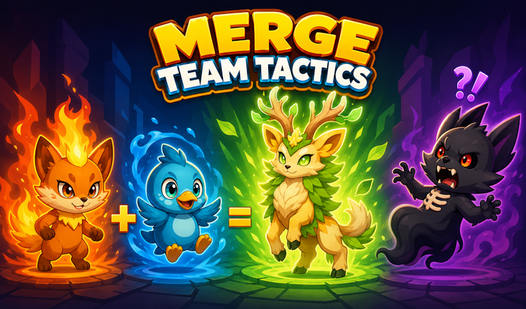
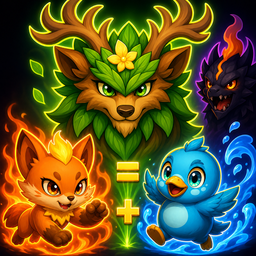
Merge Team Tactics illustrates this beautifully. You're building a formation of elemental creatures — each merge upgrades your units — and timing your pushes around when your merged units hit the right power threshold is the core loop. Rush too early and you'll get crushed. Wait too long and the opponent out-merges you.
Merge Team Tactics
Stuck in a boring meeting or just need a quick mental escape from your daily grind? Merge Team Tactics is the perfect remedy, offering a vibrant world...
▶ Play FreeMap Awareness
Always know where the chokepoints, high ground, and resource locations are. In most team games, a small number of positions on the map are disproportionately valuable. Holding those positions (or denying them to the opponent) often matters more than raw combat skill.
Adapt Mid-Match
Your opening strategy won't always work. If the opponent is countering your formation or your route is blocked, change it. Players who adapt win more than players who mechanically repeat the same plan hoping for different results.
Team Games Beyond Combat: Creative and Co-op Formats
Not every team game is about eliminating opponents. Some of the most popular team formats are creative or cooperative — and they showcase a completely different side of what teamwork can mean in gaming.
College Girls Team Makeover is a perfect example. Instead of combat, players manage the collective style of a group of college girls, making coordinated decisions about outfits, accessories, and overall aesthetic. The "team" here is the group you're styling — and the challenge is keeping all of them looking great simultaneously, rather than focusing on just one character. It's a genuinely fun format that attracts a different kind of player without any of the pressure of competitive combat.

College Girls Team Makeover
Stuck in a boring lecture or just need a quick break from your daily routine? College Girls Team Makeover is the ultimate creative escape that lets yo...
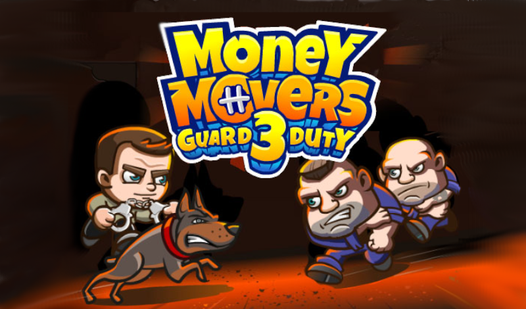
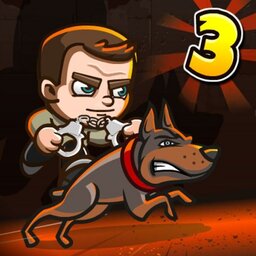
▶ Play FreeCo-op puzzle games are another major team category. In these, two players must coordinate actions that neither could complete alone — one player creates a diversion while the other slips through, or both must trigger mechanisms simultaneously. Money Movers 3 Guard Duty puts this format front and center: two guards must work together to stop criminals from escaping, with each player controlling one character and timing their actions to cover each other's blind spots.
Money Movers 3 Guard Duty
Switching sides adds a thrill to the classic prison break genre by putting you in charge of the law instead of the criminals. Money Movers 3 Guard Dut...
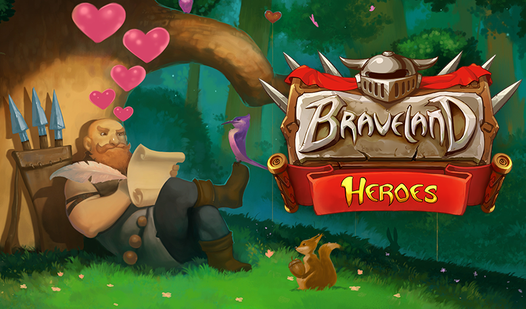
▶ Play FreeCooperative strategy games add a resource and planning layer on top of co-op action. Braveland Heroes puts you in command of a heroes-and-units army where smart positioning, turn order, and unit synergies determine the outcome. The satisfaction of building a well-oiled team formation and watching it work is its own reward.
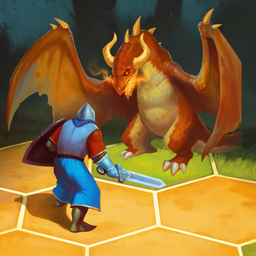
Braveland Heroes
Command your legendary army across the treacherous lands of Braveland Heroes while hunting for the stolen king's scepter. You will guide diverse units...
▶ Play FreeBest Free Team Games You Can Play Right Now
Here's a closer look at the best free team games available, covering the full spectrum from shooters to tactics to casual co-op.
KS 2 Teams
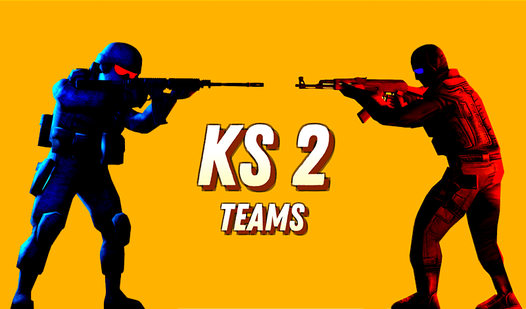
Classic team-versus-team format: pick a side, eliminate the opposition. KS 2 Teams keeps the mechanics simple and the action fast. Each round, you choose your team and work to eliminate every player on the opposing side before they eliminate yours. It's a great starting point if you're new to how team elimination games work — the rules are clear, the feedback is immediate, and skilled play is rewarded without punishing beginners too harshly.
KS 2 Teams
Dominate the battlefield by picking your side and taking down the opposition in the intense tactical shooter KS 2 Teams. You will feel the adrenaline ...
▶ Play FreeUltimate Ninja Team 7
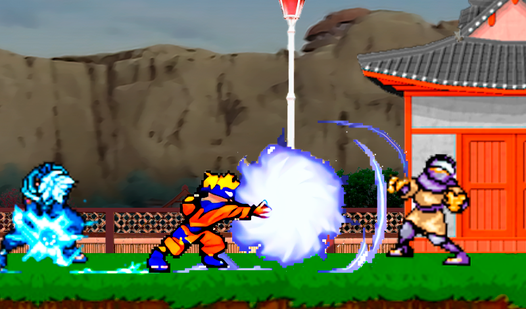
Protect your village with a squad of ninjas in Ultimate Ninja Team 7. Each ninja has distinct abilities, and the game rewards players who mix skills intelligently rather than spamming the strongest attack. The village-defense format means you're playing on a fixed point — which adds interesting strategic wrinkles around patrolling, positioning, and prioritizing incoming threats. Fans of classic ninja anime will feel right at home with the aesthetic.
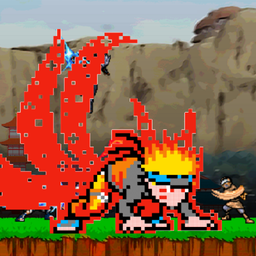
Ultimate Ninja Team 7
Anime fans who crave fast-paced action need to check out Ultimate Ninja Team 7 immediately. This addictive 2d platformer challenges you to defend your...
▶ Play FreeBattle Machines
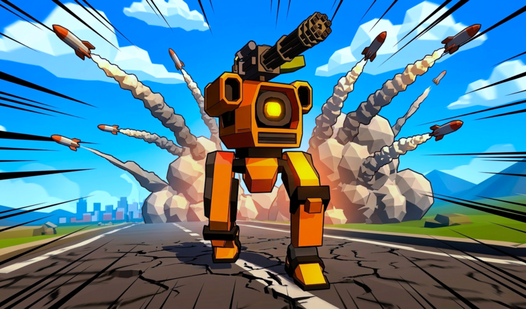
Mechanized combat with team-oriented gameplay. Battle Machines pits armored vehicles against each other in environments where formation and flanking matter as much as firepower. If you've ever wanted to coordinate a mechanized assault or set up a defensive perimeter, this one delivers that fantasy with satisfying controls.
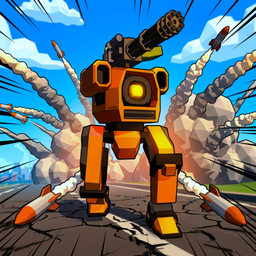
Battle Machines
Pilot heavy war machines across chaotic battlefields in this high-octane third-person shooter. You will customize your metallic juggernaut and engage ...
▶ Play FreeMr. Dude: Online Multiverse Challenges
For a more chaotic, experimental take on team play, Mr. Dude: Online Multiverse Challenges throws you into a series of wildly varied scenarios. The multiverse format means the rules shift from challenge to challenge, keeping things fresh and forcing players to adapt quickly rather than mastering one fixed system.
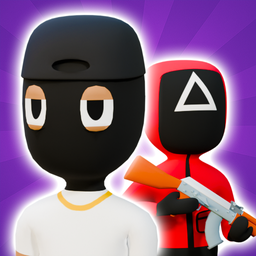
Mr. Dude: Online Multiverse Challenges
Stuck in a boring meeting or just need a brain break to reset your focus? Mr. Dude: Online Multiverse Challenges is the chaotic remedy you need to inj...
▶ Play FreeVortex 9
Vortex 9 leans into fast-paced competitive action with a distinct visual style. Matches are quick, the skill ceiling is real, and the game rewards positioning and reaction time in roughly equal measure. It's a strong pick for players who want a competitive team game that doesn't require hours of onboarding to become enjoyable.
Epic Battle: Super Fighters
Epic Battle: Super Fighters brings together a roster of characters with different fighting styles and drops them into team-format brawls. Knowing your character's strengths — and which teammates cover your weaknesses — is the meta-game here. Some fighters are great at controlling space, others at burst damage, others at staying alive under pressure. The right mix tends to win.
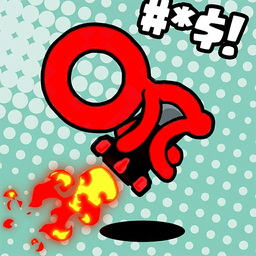
Epic Battle: Super Fighters
Staring at a stagnant screen while your brain begs for a hit of adrenaline is a common struggle during downtime. Epic Battle: Super Fighters acts as t...
▶ Play FreeAdvanced Tips for Dominating Team Games
Once you've got the basics down, here are the things that separate good team players from great ones.
Learn One Role Deeply Before Branching Out
Trying to master every role at once leads to being mediocre at all of them. Pick one role — usually frontliner is the most forgiving for beginners — and learn it thoroughly. Once you understand your role's mechanics instinctively, adding a second role becomes much easier.
Study How You Lose, Not Just How You Win
It's tempting to analyze victories — but defeats are where the real information is. After a loss, ask: where did the momentum shift? Was it a single bad decision, a composition mismatch, or a timing mistake? Most losses come down to two or three key turning points, not a general lack of skill.
Resource Denial is Often More Powerful Than Resource Accumulation
Getting more resources is good. Stopping your opponent from getting resources can be even better. In games with resource spawns, hovering near contested spawn points — even if you don't need the resource immediately — can starve the opponent of upgrades they need.
Fake-Outs and Misdirection
In games with positional elements, you can win fights before they happen by misleading your opponent about where the real threat is. A small group making noise on one flank while the main force advances on another is a classic tactic for good reason — it works. Even in smaller-scale team games, feinting an attack in one direction and striking in another can decisively turn a match.
Cooldown and Resource Management
Every team game has some form of limited resource: ammo, special abilities, health, respawn timers. Players who manage these resources carefully outperform players who burn them recklessly. If your strongest ability has a 60-second cooldown, make sure it's being used in moments that justify the wait — not wasted on low-priority targets.
Playing Team Games on Mobile vs. Browser
Most of the games listed in this guide run in your browser without installation, which makes them ideal for quick sessions without commitment. Browser-based team games have come a long way — modern WebGL and HTML5 mean you're often getting experiences that look and play almost indistinguishably from light mobile downloads.
If you're on mobile, most free team games are also available as direct browser sessions on your phone — no app needed. The controls may be adapted for touch (virtual joysticks, tap-to-target), but the strategic depth remains the same.
The advantage of browser games for team play is accessibility: you can join a game instantly, finish it in ten minutes, and move on. There's no launcher to update, no account to create, no storage to manage. For casual competitive play, that friction-free format is a huge deal.
Quick Checklist Before Your Next Team Game
- Know your win condition before the match starts
- Pick a role that complements your team, not duplicates it
- Communicate — even basic pings or target markers make a difference
- Watch the map — not just your immediate surroundings
- Manage resources — don't burn powerful abilities on easy targets
- Adapt when your first strategy stops working
- Study losses — turn them into information, not frustration
Team games reward players who think as well as react. The mechanical skill matters, but the mental layer — reading the game state, predicting opponent moves, coordinating with your side — is where games are really won and lost.