How to Play Strategy Board Games: Rules & Tips
Strategy board games have a way of pulling you in. One minute you're learning the basics, the next you're planning three moves ahead and second-guessing every decision your opponent makes. If you want to play Strategy Board games online — and actually get good at them — this guide is for you.
We'll cover what makes these games tick, the rules you need to know from day one, the strategies that separate beginners from experienced players, and a solid lineup of free games you can play right now on FreeJoy without any registration or downloads.
Let's start with one of the most interesting takes on strategy in the browser: a game where your outcome isn't random at all — it just looks that way.
Strategy of Luck flips the classic "luck vs. skill" debate on its head. It's a puzzle-constructor built around the idea that every outcome you get is a direct result of the choices you made earlier. The game rewards players who think ahead and plan their sequences carefully, not those who just hope for the best.

Strategy of Luck
Strategy of Luck turns the classic mechanics of physics-based ball games into a complex puzzle constructor where your tactical planning determines the...
▶ Play FreeWhat Is a Strategy Board Game?
At its core, a strategy board game is any game where the outcome depends primarily on decision-making rather than chance. Players take turns, weigh options, anticipate opponents, and try to build positions that are hard to attack and easy to defend or expand from.
The "board" part used to mean a literal physical surface — a chess board, a grid, a map. Today, that board is just as often a screen. Online strategy board games preserve all the depth of the originals while adding features like matchmaking, tutorials, and the ability to pause and return to your session.
There are a few major types you'll encounter:
Abstract strategy games — Chess, checkers, Go. These have no random elements at all. Every result comes purely from skill. If you lose, it's because your opponent outthought you.
Territory control games — You and your opponents compete over space on the board. Controlling more territory means more resources, more options, more power.
Army and unit games — You build or command forces, position them tactically, and try to overwhelm the enemy. Resource management is often part of the equation.
Puzzle-style strategy games — These put you against the board itself rather than another player. You solve increasingly complex layouts, often under time pressure or with limited moves.
What they all share: the better you understand the game's rules and underlying logic, the better your results will be. That's what makes strategy board games so satisfying. Progress feels earned.
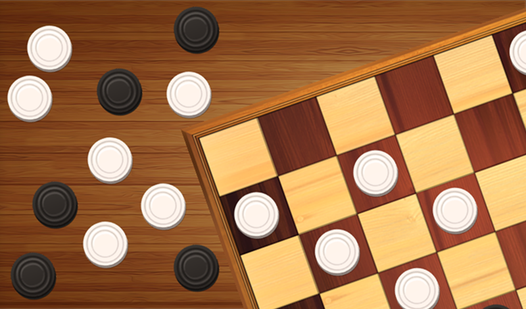
Checkers is one of the most enduring examples of abstract strategy. Simple to learn, brutally difficult to master. The board is the same for everyone. The result is entirely in how you play.
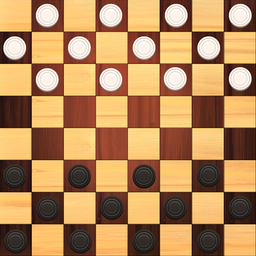
Checkers: a winning strategy
Staring at a blank screen during your coffee break is a recipe for boredom when you could be sharpening your mind instead. Checkers: a winning strateg...
▶ Play FreeStrategy Board Rules and Core Mechanics
Every strategy board game has its own specific ruleset, but there are patterns that appear across nearly all of them. Once you recognize these patterns, picking up a new game becomes much faster.
Turn order matters. Most strategy board games are turn-based: you act, then your opponent acts. The order of turns can create significant advantages or disadvantages, especially in opening phases. Many games compensate for going first by giving the second player slight bonuses.
Resources are finite. Whether it's pieces on a checkerboard, blocks in a puzzle, or units in a war game, you're always working with limited material. The best players find ways to use their resources more efficiently than opponents do.
Position over immediate gain. Beginners often take the move that gains them the most right now. Experienced players sacrifice short-term gains for positional advantages that pay off later. This is probably the single most important mindset shift in strategy board games.
Control the center (or its equivalent). In chess, it's the four central squares. In territory games, it's the middle of the map. In puzzle games, it's setting up your pieces so they have the maximum number of useful future moves. Whatever the game, the middle usually matters.
Anticipate responses. Every move you make tells your opponent something. Strong players think about what their move reveals and what responses it invites, then plan accordingly.
Know when to defend vs. attack. Constant aggression is predictable and expensive. Constant defense loses slowly. The best players shift between modes based on what the position demands.
Noob vs Pro RobCraft: MineBlock War Strategy brings these principles to life in a more action-forward context. You lead an army against waves of enemies, and raw aggression won't carry you far — you need to position units correctly, manage your resources carefully, and adapt as enemy patterns change.
Winning Strategies for Strategy Board Games
Knowing the rules is the starting point. Winning consistently requires strategy — a layer of thinking that goes beyond the immediate move.
Think in sequences, not single moves
The biggest mental shift from beginner to intermediate play is moving from "what's my best move right now?" to "what sequence of moves puts me in the best position in five turns?" This applies equally to puzzle games, war games, and abstract board games. Plan ahead and work backwards from the position you want to be in.
Control tempo
Tempo means who is dictating the flow of the game. When you're on tempo, your opponent is reacting to you. When you lose tempo, you're reacting to them. Staying on the offensive — making threats your opponent must address — keeps you in control. Experienced players are always aware of who has the initiative.
Limit your opponent's options
Rather than focusing only on what you want to do, think about what your opponent wants to do — and find ways to prevent it. Every move that removes an option from your opponent is a powerful move, even if it doesn't obviously improve your own position right away.
Use pressure strategically
Creating threats on multiple fronts simultaneously forces your opponent into difficult decisions. They can only address one problem at a time. If you can threaten two things at once, one of them is likely to succeed.
Learn from losses
A loss in a strategy board game is a data point. Where did your position fall apart? What did your opponent do that you didn't see coming? Was it a tactical error (a missed move) or a strategic one (a flawed overall plan)? Distinguishing between these helps you fix the right thing.
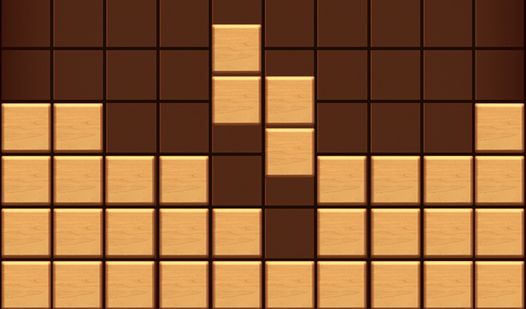
Block Puzzle: Mastery Strategy is a game that directly tests planning and spatial reasoning under pressure. The blocks keep coming faster, and you can't just react — you need to think ahead about where pieces will go before they arrive.
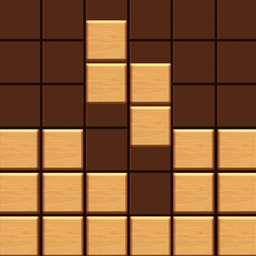
Block Puzzle: Mastery Strategy
Strategic thinkers and arcade enthusiasts will fall in love with the fast-paced intensity of Block Puzzle: Mastery Strategy. This modern twist on the ...
▶ Play FreePractice specific weaknesses
Most players have predictable weaknesses. Maybe your openings are strong but your endgame falls apart. Maybe you play great defense but never push for the win. Identify the phase of the game where you struggle most and spend time there specifically.
Slow down
This one sounds obvious but it's routinely ignored. In timed games, players rush and make mistakes. In untimed games, players still rush because they're impatient. Deliberate players who take their time to consider options consistently beat faster players who move impulsively. Speed is only an asset when your reads are accurate enough to justify it.
Best Free Strategy Board Games to Play Online
The best way to internalize rules and strategies is to play. A lot. Fortunately, there's no shortage of excellent free strategy board games available right now on FreeJoy — no account required, no download, just open and play.
Here are the games worth your time:
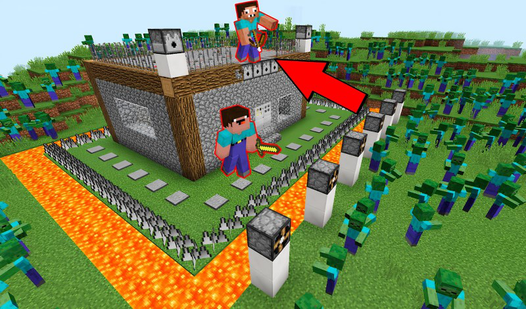
Noob's War and Strategy against Zombies
This one puts you in command of an army facing relentless zombie hordes and other creatures. Each wave escalates in difficulty, forcing you to adapt your tactics constantly. You can't brute-force your way through — unit positioning, resource management, and timing your pushes correctly all matter. It's a great game for practicing the core loop of strategy: plan, execute, adjust.
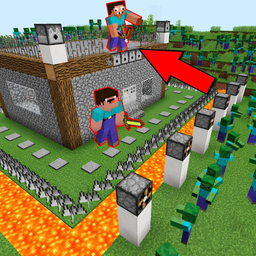
Noob's War and Strategy against Zombies
Surviving against relentless waves of undead requires more than just raw power because holding the line demands true tactical genius. Noob's War and S...
▶ Play FreeBoard and Card Games
If you want variety without committing to one game, this collection covers multiple classic formats under one roof. Board games, card games, and hybrid formats — it's a solid way to explore different styles of strategy play and figure out which format clicks for you.
Board and card games
Board and card games enthusiasts craving a massive library of classics will find their new digital home here. This massive collection brings together ...
▶ Play FreeClassic Solitaire
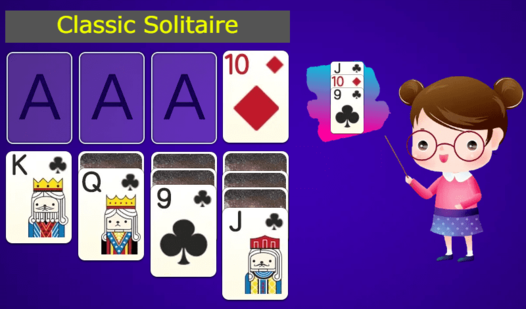
Solitaire gets underestimated as a strategy game, but there's real decision-making here. Which cards to uncover first, when to move sequences vs. waiting for better options, how to manage the draw pile — these choices compound quickly. Classic Solitaire is a clean, fast version that doesn't add fluff to the formula.
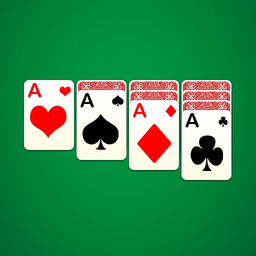
Classic Solitaire
Patience is a virtue, but in the world of card games, it is also a legendary way to sharpen your mental focus. Classic Solitaire breathes new life int...
▶ Play FreeSolitaire Golf
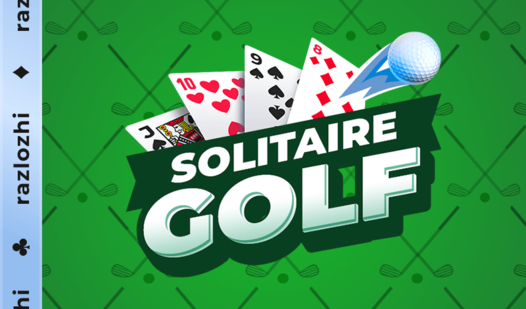
Solitaire Golf takes the patience of classic solitaire and adds a scoring layer. You're aiming for the lowest score possible across a round, which means not just clearing cards but clearing them efficiently. The "golf" scoring mechanic adds a competitive angle even in solo play.
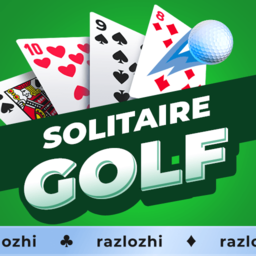
Solitaire Golf
Fans of strategic card games will find their new obsession with the relaxing pace of Solitaire Golf. This clever twist on the classic pasyans format c...
▶ Play FreeFunny Regiments
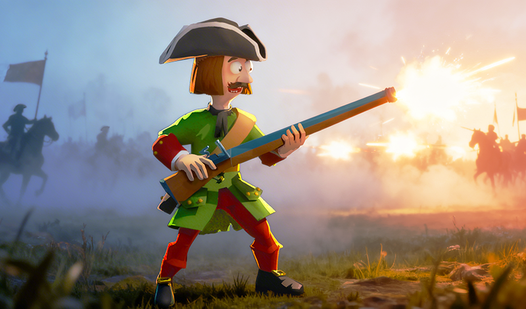
A regiment-based strategy game with a lighter visual style that doesn't compromise on tactical depth. You command units, position them for maximum effect, and look for openings to break through enemy lines. The game rewards players who understand unit synergies and positioning, not just those who throw the most pieces forward.
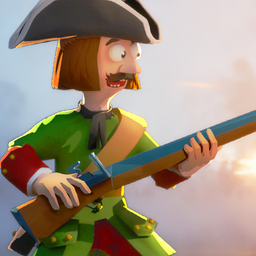
Funny Regiments
Warfare in the 18th century was rarely this hilarious, blending high-stakes musket combat with absolute battlefield chaos. Funny Regiments drops you i...
▶ Play FreeSea Battle Admiral
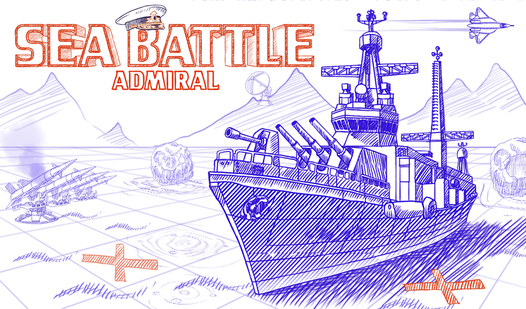
Naval combat has its own strategic flavor. Fleet positioning, range management, and commitment timing all play differently than ground-based strategy. Sea Battle Admiral captures that feel well — deciding when to engage and when to hold back is often more important than raw firepower.

Sea Battle Admiral
Staring at the clock during a long afternoon or just craving a quick mental challenge to break up the monotony, you need something that sparks your ta...
▶ Play FreeCommon Mistakes New Players Make
Even with solid knowledge of the rules and strategies, new players fall into the same traps repeatedly. Knowing what these are makes them easier to avoid.
Overextending. Pushing too hard, too fast leaves your position vulnerable. Whether it's moving all your pieces forward in checkers or committing your entire army in a war game, overextension usually gets punished by a prepared opponent.
Ignoring defense. Every resource you spend on attack is a resource not spent on protecting what you already have. Strong players keep both in mind simultaneously.
Predictable patterns. Playing the same way every game means opponents can anticipate and counter you. Mix up your approaches — sometimes the unexpected move is the best one.
Not adapting. Sticking to a plan after it clearly isn't working is a common mistake. The plan should respond to new information, not ignore it.
Undervaluing tempo. Passive play that doesn't create problems for the opponent usually leads to slow, painful losses. Stay active and make the opponent deal with your threats.
How to Get Better Faster
Progress in strategy board games isn't random — there are specific things that accelerate improvement.
Play consistently. A few focused games per day beats a long session once a week. Consistent repetition builds pattern recognition faster than anything else.
Analyze your games. After a session, replay your key decisions mentally. Where did things go wrong? What would you do differently? This reflection is where most learning happens.
Try harder opponents. Playing against people (or AI) who are significantly better than you is uncomfortable but extremely useful. You'll see moves and ideas you wouldn't encounter otherwise.
Focus on one game at a time. Jumping between ten different strategy games keeps you at a beginner level in all of them. Spend time with one game until you develop genuine fluency, then expand.
Study positions, not just outcomes. Winning and losing matters less than understanding why a particular position was strong or weak. The player who understands positions improves faster than the one who just counts wins.