How to Play Story Games: Rules, Tips & Free Picks
Story games are one of the most satisfying categories in browser gaming — and knowing how to play Story games properly is the difference between breezing through a narrative and hitting a wall in chapter two. This guide covers the core rules across different Story game types, proven strategies for getting the most out of every playthrough, and a solid lineup of free games you can start right now without creating an account.
The genre pulls in players who want more than a high score. You want characters you remember, choices that matter, and an ending that feels earned. That's what Story games deliver — and understanding how they work under the hood makes every session better.
What Are Story Games?
Story games are defined by one central mechanic: narrative progression. Completing objectives — solving puzzles, winning battles, making choices — advances a plot rather than just unlocking the next abstract level. The game tells you something every time you succeed.
The category is wide. It includes:
- Visual novels — text-heavy, choice-driven games where your decisions shape relationships and endings
- Merge puzzle stories — you match or combine objects on a grid, and each new tier you reach opens a new scene
- Adventure games — exploration and problem-solving tied directly to a developing story
- Hybrid games — mechanics from other genres (tower defense, match-3, platformers) with a full story layer on top
What all of them share: progress equals story advancement. You're not farming points in isolation. You're finding out what happens next.
The best Story games blur the line between game and fiction. A well-written scene after a tough puzzle stage makes that puzzle feel like it mattered. That feedback loop — challenge, reward, story beat — is why the format hooks players so effectively.
Rules and Basics of Story Games
Rules vary depending on which sub-type you're playing, but several principles apply across all Story games.
Follow the narrative cues
Every Story game gives you direction. Highlighted objects, NPC dialogue, quest markers, exclamation icons above characters — these aren't decoration. They're the game telling you what to interact with next. New players often ignore these and end up wandering, wondering why the story isn't moving. Read the dialogue. Check your active objectives. The cues are always there.
Your choices carry weight
In story-driven games, choices accumulate. A dialogue option you select in scene 4 might determine whether a character trusts you in scene 17. Some games run fully linear stories where choices only affect the immediate mood, while others maintain relationship stats, trust meters, or branching narrative flags across the entire game. Before selecting a major option, ask yourself: is this a throwaway line, or does it feel like the kind of moment the game is building toward? Those moments deserve a second of thought.
Understand your win condition
Some Story games are pure reading experiences — you click through scenes, make choices, and the "win condition" is reaching an ending you're satisfied with. Others have hard mechanics that gate story progress: puzzles you must actually solve, battles you must win, resource thresholds you must hit before a chapter unlocks. Know which type you're playing before you start.
If the game has a tutorial, complete it. Many Story games introduce mechanics gradually, and a hint that appears in chapter 3 often clarifies something that seemed odd since the beginning. Don't skip those pop-ups.
Manage your resources carefully
Many browser Story games use energy systems, premium currency, or timed unlocks. These exist to pace story delivery — but spending carelessly can stall you. A general rule: anything that directly unlocks story content (chapters, scenes, exploration zones) is higher priority than cosmetics or optional upgrades. Get the story first.
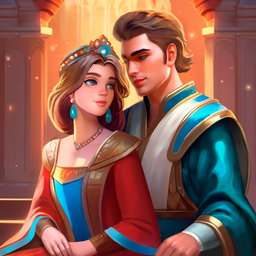
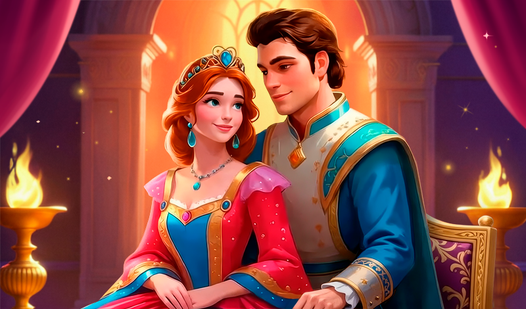
My Castle. Merge & Story
Medieval life is often painted as a scene of epic battles, but true satisfaction comes from the quiet restoration of a forgotten family estate. My Cas...
▶ Play FreeSave before branching moments
If the game offers manual saves (many visual novels and adventure games do), use them aggressively. Auto-saves are convenient but they don't always trigger right before a major decision. A save point before a significant scene costs nothing and lets you explore both options without losing hours of progress.
How to Play Story Games: Strategies That Actually Work
Getting through a Story game is easy. Getting the best out of one — discovering hidden content, reaching the endings you want, understanding the full world — takes more intention.
Run the main story first, side content second
The instinct to complete everything before moving forward is understandable. Resist it on your first playthrough. Side quests and optional content in Story games usually make more sense once you have context from the main plot. A side character's backstory hits differently after you've seen how they interact with the main cast. Explore after you have the full picture — or save side content for a second run.
Track character relationships deliberately
Visual novel and RPG-style Story games track how characters feel about you — sometimes visibly, sometimes under the hood. Consistent behavior matters more than single big gestures. Being kind to a character every time you interact with them across thirty scenes builds more affinity than one "correct" choice in a major moment. If a specific relationship outcome matters to you, decide early and stay consistent.
In merge and match-3 Story games, optimize the chain
Merge story games work on a simple principle: higher-tier merges unlock more story content than lower-tier ones. Don't burn energy making lots of low-tier merges when you're close to reaching the next tier in a chain. Wait, collect, and make the big merge. The story scene that unlocks from a tier-5 merge is always better than three tier-2 scenes.
Match-3 Story games use level completion as their story trigger. Focus on the level objective displayed before each stage, not on scoring. High scores don't open new chapters — completing objectives does.
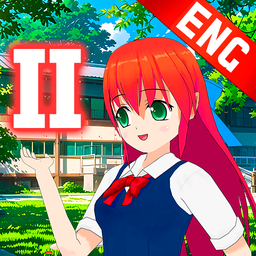
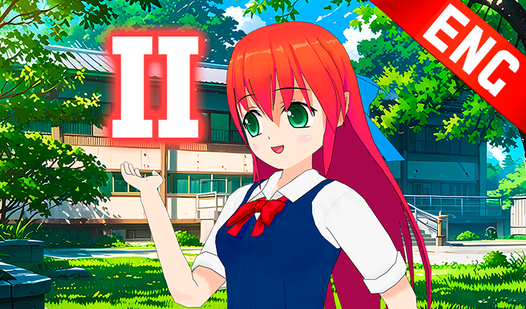
School Love Story # 2
Fans of interactive narratives and romantic drama will find themselves completely swept away by the sun-drenched atmosphere of School Love Story # 2. ...
▶ Play FreeUse fast-forward thoughtfully on replays
Most Story games let you skip or fast-forward dialogue you've already seen. On a second or third playthrough aimed at exploring different branches, this is genuinely useful — you can reach unexplored choice points in a fraction of the time. On your first run, though, skipping dialogue means missing the pacing, atmosphere, and detail that make the story land. Slow down the first time through.
Try the choice you wouldn't normally make
Story games are designed expecting replay. The "obviously correct" choice usually leads to a predictable story path. The interesting branches are often behind the option that looks risky, harsh, or counterintuitive. On a second run, pick against your instincts on a few major decisions — you'll often find a different and equally compelling version of the story waiting there.
Pay attention to environmental storytelling
Many Story games communicate backstory and world-building through objects in the environment, minor NPC conversations, or details in item descriptions. Players who rush through scenes miss entire layers of the game's fiction. If you're in an explorable area, click on things. Read the flavor text. The optional detail is often where the writers put their best work.
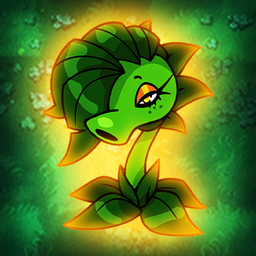
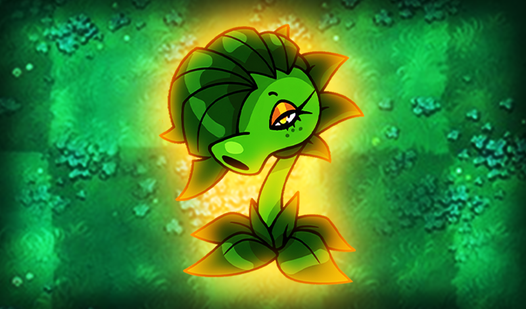
Plants Vs Zombie Hybrid Story Mod
Staring at the clock waiting for your shift to end or just need a quick mental escape from a dull afternoon? Plants Vs Zombie Hybrid Story Mod turns y...
▶ Play FreeBest Free Story Games on FreeJoy
All of these are free, playable in your browser, and worth your time for different reasons.
My Castle. Merge & Story
A merge puzzle game with a genuinely engaging castle rebuilding narrative. You drag and combine objects on a grid, and each successful chain unlocks story content about the castle's history and its inhabitants. The pace is relaxed — there's no timer pressure — which makes the narrative content land better. You're not rushing through scenes; you're absorbing them.
Key strategy: prioritize merging structures that unlock new map areas over decorative items. New areas trigger new story scenes.
My Castle. Merge & Story
Medieval life is often painted as a scene of epic battles, but true satisfaction comes from the quiet restoration of a forgotten family estate. My Cas...
▶ Play FreePlants Vs Zombie Hybrid Story Mod
This one takes the familiar tower defense format and runs it through a hybridization mechanic that changes how you build defenses and how the story unfolds. Creating new plant hybrids doesn't just give you stronger units — it opens narrative branches tied to the plant's origin in the game's story. The storytelling is tighter than you'd expect from a zombie defense game.
Key strategy: experiment with unusual hybrids early. Some of the most effective combinations for specific story-stage enemies are ones that look counterintuitive on paper.
Plants Vs Zombie Hybrid Story Mod
Staring at the clock waiting for your shift to end or just need a quick mental escape from a dull afternoon? Plants Vs Zombie Hybrid Story Mod turns y...
▶ Play FreeSchool Love Story #2
A well-crafted visual novel with strong romantic writing and genuine branching consequences. The how to play Story mechanics are as simple as they get — read, choose, watch what changes — but the quality of the writing keeps you invested across multiple replays. Secondary characters have surprising depth when you choose paths that give them screen time.
Key strategy: save before every major dialogue exchange. Some relationship outcomes require a very specific sequence across many scenes, and tracking back manually through text is the kind of friction that kills momentum.
School Love Story # 2
Fans of interactive narratives and romantic drama will find themselves completely swept away by the sun-drenched atmosphere of School Love Story # 2. ...
▶ Play FreeSpeedboy: History with Grandfather
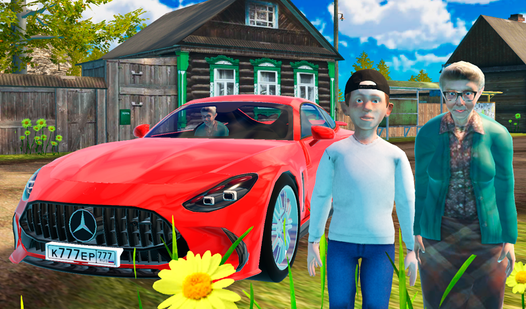
An action-adventure with a genuinely touching story about rescuing a grandfather in a setting that's equal parts quirky and heartfelt. The gameplay involves speed and platformer mechanics, but the story context makes even the basic movement feel purposeful. The humor in the dialogue is well-timed and doesn't undercut the emotional stakes.
Key strategy: explore optional areas before advancing main story objectives. Background story content — the stuff that explains why things are the way they are — is often tucked into zones you could technically skip.
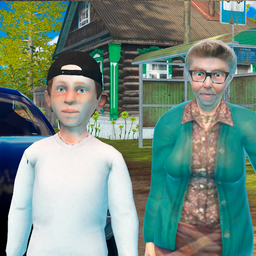
Speedboy: History with Grandfather
Fans of chaotic driving missions will find their next obsession in Speedboy: History with Grandfather. Navigating the rural landscape of a classic рус...
▶ Play FreeImposter Among Zombies: Story
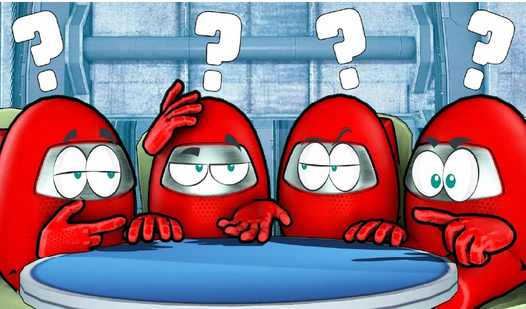
Takes the social deduction loop and gives it a narrative frame that makes each round feel like a chapter rather than a standalone game. The story explains the outbreak's origins and lets you build suspicion about specific characters across sessions. The writing does something clever: subtle clues about who the imposter is sometimes appear in story scenes rather than gameplay, rewarding players who engage with the narrative.
Key strategy: don't skip story cutscenes between rounds. They contain the material that makes the social deduction element feel grounded rather than arbitrary.
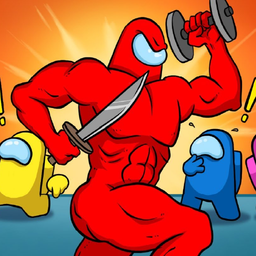
Imposter Among Zombies: Story
Stuck in a boring meeting or just waiting for the bus and need a quick gaming fix to clear your head? Imposter Among Zombies: Story is the perfect esc...
▶ Play FreeMore Story Games Worth Your Time
The featured five are strong starting points, but the genre has more range than any five games can cover.
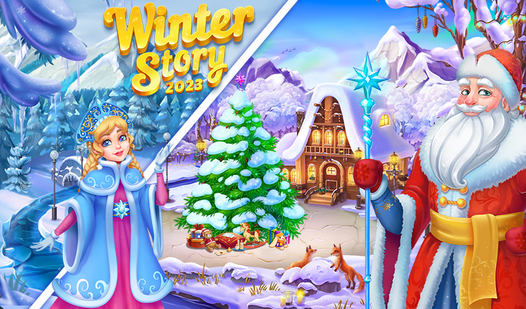
Winter Story is a cozy seasonal game with light puzzle mechanics and a holiday narrative. The mood is deliberately gentle — it's built for unwinding rather than tension.

Winter Story
Matching colorful ornaments is the ultimate way to melt away stress while fueling your competitive spirit. Winter Story takes the classic match 3 form...
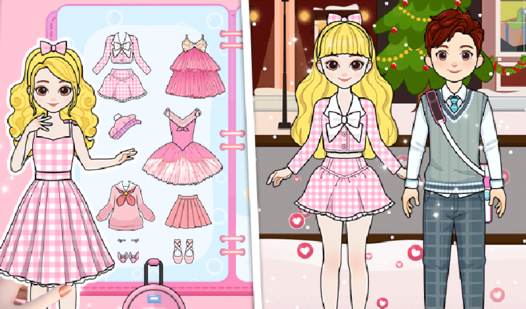
▶ Play FreeLisa's World: Paper Doll Story has a distinctive handmade visual aesthetic and a story about a paper doll finding her place in a crafted world. The art style alone makes it worth a few sessions.

Lisa's World: Paper Doll Story
Fashion enthusiasts and creative spirits will find endless joy crafting the perfect look in Lisa's World: Paper Doll Story. You take control of Lisa's...
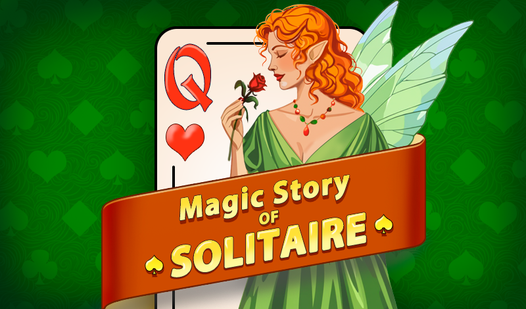
▶ Play FreeMagic Story of Solitaire frames every hand of solitaire as a step in a fairy-tale narrative. Completing each hand advances a story rather than just adding to a score. It makes the card game feel connected to something larger.
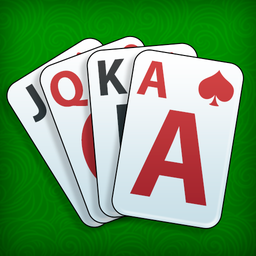
Magic Story of Solitaire
Staring at a blank screen during a midday slump is the worst, especially when your brain just needs a quick, satisfying distraction. Magic Story of So...
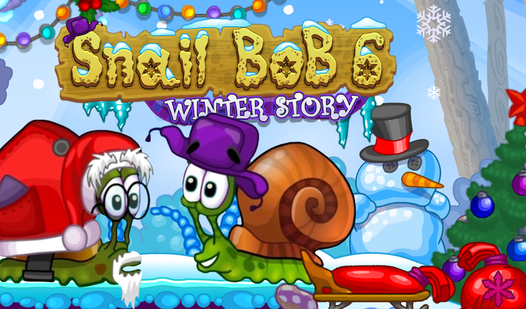
▶ Play FreeSnail Bob 6 Winter Story is the sixth entry in a series that has always known what it is: clever physics puzzles with a warm, family-friendly story and a protagonist you can't help but root for. Bob navigating a frozen landscape is exactly as charming as it sounds.
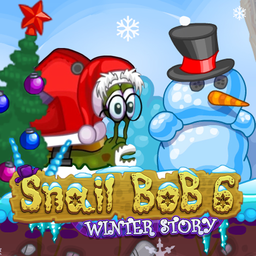
Snail Bob 6 Winter Story
Players who enjoy clever logic challenges and heartwarming rescue missions will adore Snail Bob 6 Winter Story as they help our hero navigate a freezi...
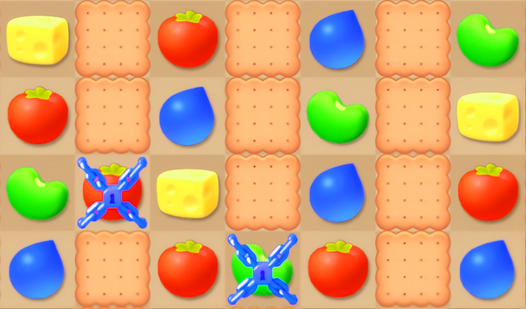
▶ Play FreeTasty Story - Match3 builds a restaurant-building narrative around match-3 mechanics. Each stage you clear opens a new chapter in a food-themed story. The satisfying match-3 rhythm and the narrative forward momentum work well together for short play sessions.
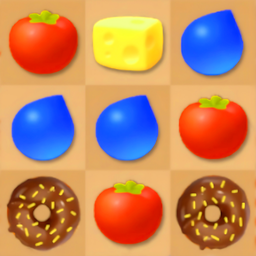
Tasty Story - Match3
Matching games remain the ultimate way to satisfy your brain's craving for quick wins and colorful patterns. Tasty Story - Match3 elevates this classi...
▶ Play FreeCommon Mistakes That Stall Story Progress
Even experienced players run into these. Knowing them ahead of time saves frustration.
Skipping dialogue on a first run. The story context isn't decorative — it explains what you're supposed to do next and why. Skipping it creates confusion that compounds over time.
Spending premium currency on cosmetics too early. In Story games with currency systems, early cosmetic spending can lock you out of story-gating purchases later. Chapters come first.
Treating every choice as final. Story games are meant to be replayed. If you approach every decision as though it's permanent and irreversible, you'll miss half of what the game has to offer. Make different choices on your second run.
Only following the main character. In branching Story games, supporting characters carry significant optional content. Players who ignore side paths often emerge with a surprisingly incomplete picture of the game's world.
Racing to the end. Story games reward patience. The atmosphere, character development, and slow-burn emotional payoff collapse if you sprint through scenes. Let the story breathe, especially on a first playthrough.
Why Story Games Are Worth Playing
Story games offer something that pure action or puzzle games rarely deliver: emotional investment. You remember specific characters. You think about choices after the session ends. The ending feels like something you worked toward together with the writers, not just a screen telling you "Level Complete."
They're also accessible in a way that surprises people who assume they'll be too passive. Knowing how to play Story games doesn't require hours of practice or genre expertise. The entry barrier is low, but the range of experiences is vast — from cozy merge puzzles to heart-wrenching visual novels to narrative-wrapped tower defense.
Every game listed here is free and playable directly in your browser on FreeJoy.games. Pick one that matches your mood and see where the story takes you.