How to Play Sandbox Games: Rules & Strategies
If you've ever wondered how to play Sandbox games, you've landed in the right place. Sandbox games are some of the most freeing experiences in gaming — there's no fixed path, no countdown timer, and no single way to win. You make the rules, set the pace, and decide what "fun" looks like. Build elaborate structures. Cause total chaos. Run physics experiments nobody asked for. Sandbox games hand you the tools and then get out of your way.
This guide covers everything you need: the core concepts behind sandbox gameplay, practical rules to get started, strategies that experienced players rely on, and the best free sandbox games you can play right now without spending anything.
What Is a Sandbox Game?
A sandbox game is exactly what it sounds like — a digital sandbox where you're free to do almost anything. Unlike linear games with strict objectives and story beats, sandbox titles drop you into an open environment with a toolkit. What you do with that toolkit is entirely your call.
The genre traces its roots to city-builders and simulation games from the 1990s, then exploded in popularity with the rise of Minecraft in the 2010s. Today, sandbox games span every shape and size: physics playgrounds, survival worlds, ragdoll simulators, construction arenas, and hybrid experiences that blend multiple genres together.
The common thread running through all of them is player freedom. Some sandbox games give you loose goals — survive, build, explore. Others have no goals at all and function purely as experimentation platforms. Both are valid. Both can be genuinely absorbing.
What makes sandbox games so universally appealing is their scalability. A ten-year-old can enjoy stacking blocks and blowing them up, while a seasoned player can spend hours optimizing a physics chain reaction down to its individual components. The same game contains both experiences simultaneously.
How to Play Sandbox: Core Rules and Basics
Learning how to play Sandbox games is less about memorizing rules and more about absorbing the sandbox philosophy. Here are the fundamentals that apply across nearly every game in the genre:
There's no wrong way to play. This isn't just motivational talk — it's literally built into the design. Sandbox games don't judge your choices. Want to spend an hour stacking objects in a tower that serves no purpose? Perfectly valid. Want to immediately destroy everything you see? Also valid. The sandbox doesn't care.
Learn your tools before you commit to anything. Every sandbox game hands you a toolkit — weapons, building blocks, physics objects, characters, environmental triggers. Spend your first few minutes just clicking on things, placing items, and observing what happens. Most sandbox mechanics click into place (pun intended) within minutes of hands-on exploration.
Experiment without a plan. The best moments in sandbox gameplay come from unexpected interactions. What happens when you place an explosive next to a crowd of NPCs? What if you stack ragdolls on a moving vehicle? What does fire do to that specific material? Try it. That curiosity-first mindset is the foundation of good sandbox play.
Save your work whenever possible. If the game has a save function, use it proactively. Creating something interesting and then losing it to an accidental reset is one of the most deflating experiences in the genre.
Ignore objectives you don't enjoy. When sandbox games include optional quests or achievement systems, remember: they're optional. Your session is valid whether or not you've ticked any boxes.
Standard Controls to Know
Most browser-based sandbox games share a familiar control layout:
- WASD or arrow keys — character or camera movement
- Mouse — aiming, targeting, placing objects
- Left click — use or place the selected item
- Right click — secondary action, context menu, or cancel
- Scroll wheel — switch between items in your inventory or zoom the camera
- E or F — interact with objects or pick them up
Always check the in-game controls menu during your first session. Some games add context-specific shortcuts that dramatically speed up common actions and are easy to miss.
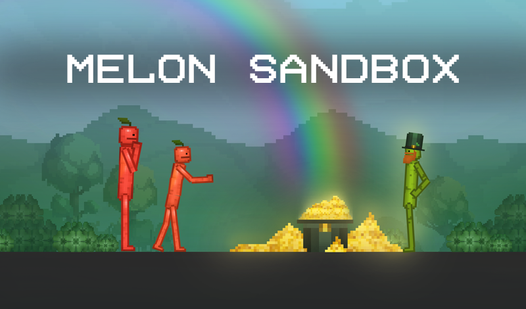
Melon Sandbox is the ideal starting point for anyone learning sandbox mechanics. It gives you a versatile character, a wide range of weapons and interactive items, and a physics engine that makes every interaction satisfying. Toss grenades at the ragdoll, experiment with different items, or just see how many objects you can pile on before the physics engine starts making entertaining decisions on your behalf.

Melon Sandbox
If you love creative freedom and boundless experimentation, Melon Sandbox is your next obsession. This free online sandbox game lets you build, destro...
▶ Play FreeSandbox Strategies That Actually Work
Once you've got the basics down, you can start thinking about how to get more out of your sandbox sessions. These are approaches that experienced players return to again and again:
Build Before You Destroy
It sounds backward, but construction often leads to better destruction. When you spend time building a structure — a tower, a wall, a ramp, an elaborate contraption — you give the physics simulation more material to work with. The resulting collapse or explosion is more complex, more satisfying, and often more surprising than if you'd just triggered something in an empty scene.
Layer Your Experiments
Instead of testing one thing at a time, try combining multiple elements in the same scene. Add NPCs, introduce environmental hazards, stack objects in unusual configurations, then trigger everything at once. Layering creates emergent complexity — outcomes that genuinely surprise even players who've spent hours with the same game.
Use the Environment Strategically
Most sandbox games have interactive terrain and environmental features that players ignore because they're not obviously labeled as "tools." Hills become launch ramps. Enclosed spaces amplify blast effects. Platforms create staging areas for chain reactions. Water changes ragdoll behavior. Always look at the environment and ask: how can this work for me, not just around me?
Recreate Real Scenarios
One underrated approach is using sandbox tools to recreate something specific — a physics-accurate car crash, a battle scene from history, a Rube Goldberg machine, a classic game level. Self-imposed constraints like these focus an otherwise open session and often produce more creative results than pure improvisation.
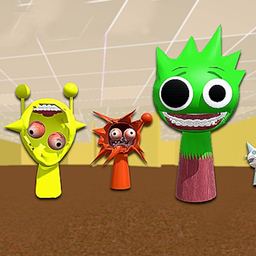
Sandbox Playground 3D takes open-world freedom seriously. You get full 3D movement in a spacious environment, with tools to spawn objects, control characters, and trigger all kinds of effects. It's the kind of game where "just exploring for a few minutes" turns into an hour of genuine discovery.
Sandbox Playground 3D
Fans of creative construction and chaotic battles will find their new obsession in Sandbox Playground 3D. This open world sandbox allows you to manipu...
▶ Play FreeMaster Item Interactions
Every good sandbox game contains hidden synergies between its items. A spring beneath a heavy object creates a launcher. A bomb near a cluster of NPCs starts a chain reaction that spreads differently depending on the terrain. Fire behaves differently near different materials. The best sandbox players treat item interaction as a puzzle — not a puzzle with one correct answer, but a puzzle where every answer reveals something new.
Make it a habit to test pairs and triples of items together deliberately. What do these two items do when placed next to each other? What changes if you add a third? This systematic approach reveals depth that random experimentation alone might miss.
Set Your Own Challenges
When the game doesn't give you goals, create them:
- "Build the tallest tower possible before it collapses under its own weight"
- "Survive for three minutes with the maximum number of enemies spawning"
- "Cause the largest chain reaction using exactly five items"
- "Design an obstacle course for a ragdoll character"
Self-imposed challenges keep long sandbox sessions focused and give you a built-in sense of progress and accomplishment.
Pace Your Sessions
Sandbox games can be as long or short as you want, but experienced players often find that shorter, focused sessions produce better results than marathon open-ended play. Decide on one thing you want to explore — a specific interaction, a building project, a particular scenario — and focus on that. Then stop when it feels complete. This prevents the aimlessness that sometimes makes sandbox games feel hollow.
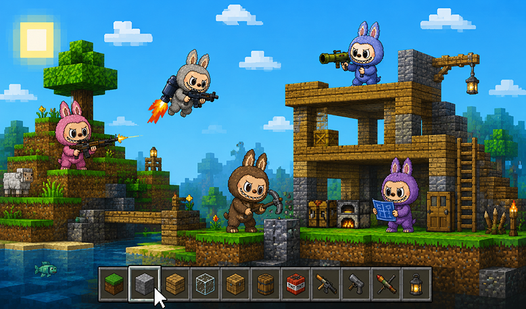
Labubu Playground Sandbox Mod brings personality to the sandbox formula. The distinctive character design adds visual charm without softening the mechanics — TNT, zombies, and interactive items are all present. It's a good middle-ground for players who want sandbox freedom with more visual identity than a pure physics simulator typically offers.

Labubu Playground Sandbox Mod
Staring at a blank screen during a lunch break often feels like a chore, but finding the right creative outlet changes everything. Labubu Playground S...
▶ Play FreeHow to Play Sandbox: Matching Games to Your Style
The sandbox genre is unusually good at accommodating different player personalities. Understanding how you tend to engage with games helps you pick the right title and approach your sessions more intentionally.
The Architect — Wants to build, plan, and optimize. The construction tools are the main attraction. Sandbox Playground 3D's spacious 3D environment is a natural fit.
The Scientist — Wants to test every mechanic, map every interaction, and understand the rules of the simulated world. Melon Sandbox's broad item variety satisfies this curiosity most directly.
The Entertainer — Plays for laughs, creates absurd scenarios, and enjoys sharing the results. Ragdoll physics games are their native habitat.
The Casual Explorer — Just wants to click around and see what happens, no agenda required. Games with accessible controls and immediate feedback — like Chupixes: Sandbox Playground — fit best here.
The Challenger — Needs goals or creates their own. Enjoys structured sandbox experiences with scoring systems or specific objectives layered over the open-world base.
You might find yourself shifting between types depending on your mood. That flexibility is one of the things that makes sandbox games so consistently replayable.
Best Free Sandbox Games You Can Play Right Now
Chupixes: Sandbox Playground
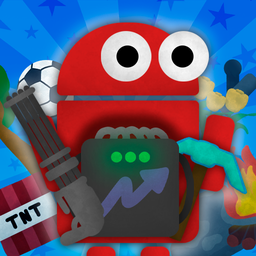
One of the most accessible sandbox games for newcomers. Chupixes puts weapons, building tools, and interactive NPCs in your hands immediately, with controls you can figure out in under two minutes. The learning curve is gentle enough for first-timers but there's enough mechanical depth to keep you experimenting for hours. If you're new to the genre and want a solid introduction to sandbox mechanics without friction, start here.
Chupixes: Sandbox Playground
Virtual creation games offer a rare chance to play god with physics, and this title elevates that experience to a whole new level. Chupixes: Sandbox P...
▶ Play FreeNo Pain No Gain - Ragdoll Sandbox
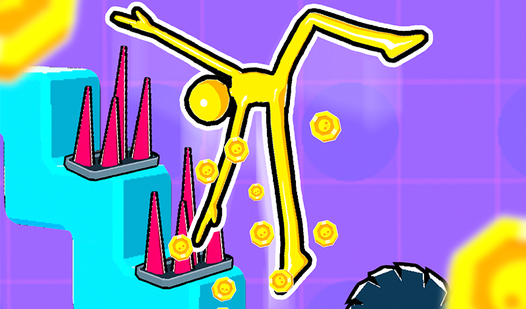
Ragdoll physics is one of the most entertaining subgenres in sandbox gaming, and No Pain No Gain - Ragdoll Sandbox delivers it with genuine flair. The game tasks you with designing obstacle courses for ragdoll characters, which means you're applying creativity to a defined problem — a welcome structure for players who find pure open-ended sandboxes occasionally overwhelming. The physics reactions are entertaining in themselves, and the design space for obstacle courses is surprisingly large.
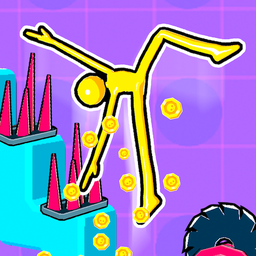
No Pain No Gain - Ragdoll Sandbox
Create chaotic obstacle courses where every tumble earns you a massive payout in No Pain No Gain - Ragdoll Sandbox. You act as the architect of destru...
▶ Play FreeMore Sandbox Games Worth Your Time
The featured picks above are excellent entry points, but there's a solid wider library of free sandbox games covering different styles and moods:
Blockdoll Sandbox combines block-based construction with active physics simulation. If you like building things and then testing them against the laws of (simulated) physics, this hits the right notes.

Blockdoll Sandbox
Virtual physics playgrounds offer a unique freedom where the only limit is your imagination. Blockdoll Sandbox delivers exactly that type of creative ...
▶ Play FreeNoob Playground Sandbox Mod takes a humorous approach to the sandbox format, with a visual style that makes even random experimentation feel light-hearted. Good option when you want sandbox mechanics without taking anything seriously.
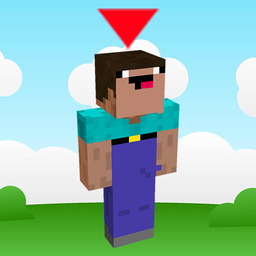
Noob Playground Sandbox Mod
Staring at the screen during a dull afternoon and craving a quick creative outlet to kill some time? Noob Playground Sandbox Mod is the ultimate digit...
▶ Play FreeSandbox Playground: Plants Vs Zombies is exactly the crossover it advertises — the Plants vs Zombies universe reimagined as a physics sandbox. If you have nostalgia for the original games and enjoy sandbox mechanics, this combination is surprisingly satisfying.

Sandbox Playground: Plants Vs Zombies
The strategic evolution of tower defense takes a wild turn when you control the chaos instead of just defending your lawn. Sandbox Playground: Plants ...
▶ Play FreePlayground Sandbox. Mod: Torture Ragdoll focuses on physics-heavy ragdoll interaction with more extreme mechanics. Mechanically interesting for players fascinated by how physics simulations handle stress, impact, and chain reactions.
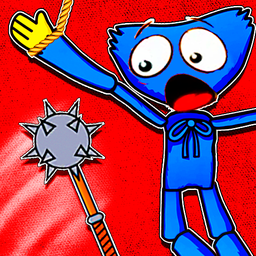
Playground Sandbox. Mod: Torture Ragdoll
Unleash your creativity by experimenting with physics in this chaotic playground sandbox. You control the action as you test various weapons and traps...
▶ Play FreeRagdoll Sandbox 3D combines ragdoll physics with full 3D spatial freedom — more room to set up elaborate scenarios than most browser-based sandbox games allow. The 3D perspective also makes physics interactions easier to observe and analyze.

Ragdoll Sandbox 3D
Physics-based playground games offer a unique kind of chaos where gravity is merely a suggestion rather than a strict law. Ragdoll Sandbox 3D leans in...
▶ Play FreeSandbox Rules in Multiplayer vs. Solo Play
The Sandbox правила change somewhat when other players enter the equation. Solo play is pure self-determination — the only limits are the ones you create. Multiplayer adds social dynamics that require a bit of coordination:
Communicate your intentions. Not everyone in a shared sandbox session has the same agenda. One player might be building something carefully while another is ready to detonate everything in sight. A quick check-in at the start — "are we building or destroying today?" — prevents a lot of frustration.
Respect shared creations. If someone has spent time constructing something, demolishing it without permission kills the fun for them. In most sandbox contexts, destruction is collaborative, not unilateral.
Establish shared goals upfront. The best multiplayer sandbox sessions usually have an agreed theme or challenge. "We're all building structures and then rating each other's designs" or "everyone tries to survive a wave together" gives the session direction without removing freedom.
Use the chaos cooperatively. Sandbox games can become incredibly funny in multiplayer when everyone is working toward the same absurd outcome. Coordinated mayhem beats random mayhem almost every time.
Common Sandbox Mistakes to Avoid
Even in games with no wrong answers, certain habits make the experience worse:
Approaching sandbox games with a win-condition mindset. If you're frustrated because you don't know how to "finish" a sandbox game, reframe the goal. You're not here to complete it — you're here to experience it.
Skimming past the physics engine. The physics simulation is often the most technically sophisticated part of a sandbox game, and players who rush past it miss most of the interesting content. Slow down and actually watch how objects interact.
Ignoring the full item library. Most sandbox games surface only a fraction of their available tools prominently. Dig into menus, try unfamiliar items, and you'll consistently find things that become new favorites.
Expecting immediate spectacle. Some of the best sandbox moments require setup. Rushing toward instant results means missing the more elaborate interactions that take a minute to arrange but produce something genuinely memorable.
Advanced Techniques for Experienced Sandbox Players
Once you've been playing sandbox games for a while, these approaches help push your experience further:
Document interesting interactions. Keep notes or screenshots of unusual physics outcomes. This turns casual play into a more deliberate creative practice and helps you remember what's worth revisiting.
Reverse-engineer impressive setups. When you see an interesting sandbox creation online or in a video, try to recreate it from scratch. The process teaches techniques you wouldn't discover through random experimentation.
Use deliberate constraints. Limit yourself to a single item type for an entire session, or create something using only the least-powerful tools in the game. Constraints produce creativity more reliably than complete freedom.
Push the simulation to its edges. What's the maximum number of active objects before performance starts degrading? What combination of items produces the most extreme physics response? Understanding the edges of the simulation system is genuinely interesting, not just destructive impulse.
Build scenarios for other people. Even in solo games, designing something that would be fun or funny to show to someone else adds a shaping constraint that improves your creative output. It forces you to think about the experience from an outside perspective.