How to Play Room: Rules, Tips & Free Games
Room games have exploded in popularity, and if you've ever searched for как играть в Room or just wondered where to start — you're in exactly the right place. Whether you're trapped in endless yellow corridors, smashing office furniture to splinters, or carefully merging objects on a grid to unlock something new — Room games cover a surprisingly wide spectrum of gameplay styles. This guide breaks down the core rules, smart strategies, and points you toward the best free Room games you can play right now, directly in your browser.
What Exactly Is a Room Game?
The "Room" genre isn't one single type of game — it's more of a setting and a concept. At its core, a Room game places a confined space at the center of everything. What happens inside that space varies wildly:
- Escape rooms: Figure out puzzles, find hidden objects, and unlock the exit before time runs out.
- Backrooms: Navigate an endless maze of unsettling liminal spaces — the horror subgenre that took the internet by storm after a single creepypasta post became a cultural phenomenon.
- Room destruction: Smash, break, and demolish everything in sight. Pure controlled chaos and surprisingly good stress relief.
- Merge rooms: Combine identical items on a grid within a defined space to spawn new objects and reach higher goals.
The common thread? A room — or a series of rooms — is your entire world. You work within it, fight it, escape it, or build it. The constraint is the game.
Merge Mushrooms: Forest Connect 2048 takes the classic merge formula and drops it into a lush forest clearing that functions as your "room." Combine identical mushrooms to create new, more powerful ones, chain your merges strategically, and work toward unlocking the legendary 2048 mushroom tile. Every move on the grid matters — there's no wasted space in a game that gives you exactly enough room to succeed (or fail).

Merge Mushrooms: Forest Connect 2048
Fans of 2048 puzzles will find their new addiction beneath the canopy of this enchanted woodland. Merge Mushrooms: Forest Connect 2048 challenges you ...
▶ Play FreeHow to Play Room Games: Core Rules and Mechanics
Learning how to play Room-style games starts with recognizing that each subgenre has its own ruleset. Here's a breakdown of what you actually need to know before hitting Play.
Escape Room Rules
- Explore every corner. Click or tap on every object, shelf, drawer, and wall. In escape rooms, nothing is pure decoration — even background elements can hide clues.
- Collect everything. Your inventory fills fast. Grab items before you understand what they do; you'll figure it out.
- Combine objects. Many puzzles require combining two or more items from your inventory. Experiment freely — wrong combinations usually just don't work rather than costing you anything.
- Read environmental clues. Numbers, symbols, colors, patterns — these are all hints baked into the room's design. A painting with a specific color arrangement is almost certainly a lock combination.
- Don't rush. Most escape rooms aren't timed unless the game explicitly says so. Think first, click second.
Backrooms Rules
The Backrooms operate on entirely different logic:
- Don't noclip. In the original lore, you end up in the Backrooms by accidentally "noclipping" through reality. In games, your job is to claw your way OUT of this liminal nightmare.
- Avoid entities. The Backrooms are populated with hostile creatures. Learn patrol patterns rather than relying on reaction speed alone.
- Watch your sanity meter. Many Backrooms games track sanity. Find light sources, safe rooms, or specific items to stabilize it before it bottoms out.
- Map your route mentally. The corridors repeat, often deliberately. Mark your path or leave mental breadcrumbs to avoid walking in circles.
- Manage resources. Flashlight batteries, food, health items — treat everything as finite because it is.
Room Destruction Rules
These are the most straightforward Room games and honestly among the most satisfying:
- Hit everything. Maximum destruction is the goal.
- Find bonus targets. Hidden objects typically give score multipliers. Check behind, under, and inside everything.
- Use the environment. Throw office chairs into monitors. Knock filing cabinets into walls. Use the room against itself.
- Chain reactions score highest. Setting off one collision that causes three more is worth far more than five independent hits.
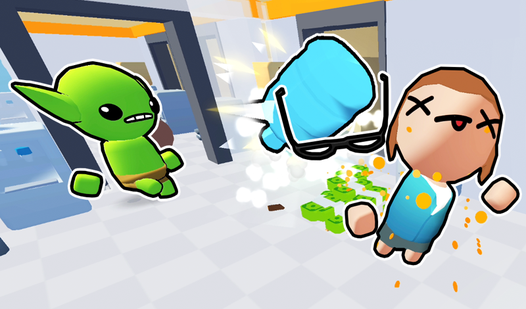
Office Brawl - Room Smash is pure payback energy. You're in an office that has clearly wronged you, and now it's time for consequences. Smash computers, overturn desks, send monitors flying, and reduce the entire workspace to rubble. The physics are satisfying, the destruction is cartoonish in the best way, and the scoring system actively rewards creative chain demolitions over mindless button-mashing.

Office Brawl - Room Smash
Stuck in a mind-numbing meeting with your eyes glazing over at a spreadsheet, you suddenly crave a way to vent that pent-up tension. Office Brawl - Ro...
▶ Play FreeMerge Room Rules
- Match identical items. Drag one item onto its twin to merge them into something new.
- Keep the board clear. Running out of space means game over in most merge games. Plan your merges to keep room on the grid.
- Protect high-tier items. A rare merged item took many moves to create. Don't sacrifice it for short-term convenience.
- Think several moves ahead. The difference between a good merge player and an average one is planning chains, not individual swaps.
Strategies That Actually Work
How to Play Room Escape Games Better
Start with the obvious, then get weird. New players often overthink puzzles immediately. Check the obvious spots first — under the mat, behind the painting, inside the clearly visible box. Designers put clues where players naturally look because they want you to find them. Only after exhausting the obvious should you start testing every unmarked surface.
Work backwards from the lock. See a combination lock? Instead of searching randomly, figure out what TYPE of combination it accepts — numbers, colors, symbols, directional inputs — and then hunt specifically for clues matching that format.
Think before using consumable items. Some items disappear after use. Before you deploy a key or pour a liquid, pause and ask: is this definitely the right moment? Have I found all the locks?
Narrate when playing with others. "I found a key with a red tag" catches solutions faster than everyone silently wandering the same room. Verbal sharing creates connections players miss when working independently.
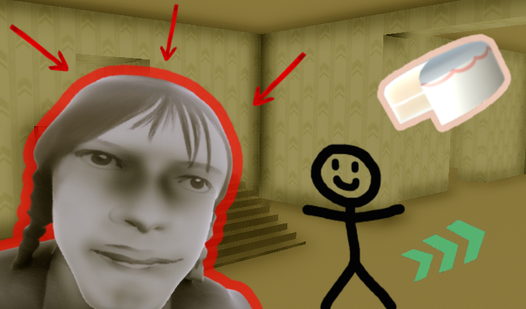
Wednesday and Backrooms Secrets blends the iconic Wednesday Addams aesthetic with full Backrooms horror. You're navigating shifting corridors that loop and change, hunting for secrets while avoiding whatever lurks in the dark. The visual contrast between the character design and the unsettling environment hits in a specific way — and the puzzle elements reward patient exploration over panicked sprinting.
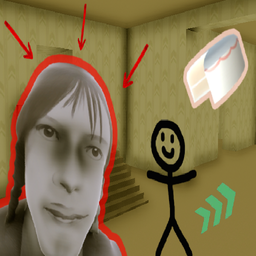
Wednesday and Backrooms Secrets
Navigate through shifting corridors and survive the eerie atmosphere in Wednesday and Backrooms Secrets, a high-stakes challenge that blends psycholog...
▶ Play FreeBackrooms Strategy
Light is mechanical, not just atmospheric. Low light in Backrooms games means you won't see what's approaching. Always prioritize finding and maintaining light sources — it directly affects your survival odds.
Study before you run. Most Backrooms games have enemies with predictable patterns. A few deaths spent learning HOW an entity moves pays off far more than trying to outrun something you don't understand.
The environment is a language. Wet carpets near entity spawn points, flickering lights near exits, specific sounds before specific dangers — the Backrooms games that reward good players do so through environmental storytelling. Read the room before reacting to it.
Audio is gameplay. The sound design in Backrooms games isn't just atmosphere. Distinct sounds signal distinct threats. Learn what each audio cue means in the specific game you're playing — it's as important as watching your surroundings.
Mushroom picker - connect mushrooms! pulls you into a peaceful forest clearing where the goal is connecting matching mushroom types to clear them from the field. It starts gently and escalates into surprisingly complex chain puzzles that require real spatial planning. The "room" here is a natural one — a contained forest grid — and working efficiently within it separates casual play from high scores.

Mushroom picker - connect mushrooms!
Casual gamers looking for a relaxing escape will adore the charm of Mushroom picker - connect mushrooms!. This vibrant puzzle game challenges you to c...
▶ Play FreeRoom Destruction Strategy
Combos beat volume. Don't flail randomly. Position yourself to set off chain reactions — one knocked object should trigger another. A single good chain beats ten isolated hits in points and satisfaction.
Flip everything. Most room smash games hide breakable objects behind other furniture. Overturn tables, open cabinets, check behind walls. The hidden destruction zones are where bonus multipliers live.
Save power moves for density. If the game has special attacks or power-ups, hold them until you're surrounded by destroyable objects. A power move on one lamp is waste. A power move centered on a cluster of five monitors is efficient scoring.
Backrooms: Forbidden Footage raises the stakes with found-footage aesthetics and a layered horror premise. You're not just surviving the Backrooms — you're piecing together what happened to the person who left this footage behind. The escape mechanics require close attention to the environment, the horror is well-crafted, and the lore reward for observant players is genuine. This is the Backrooms experience for players who want story alongside fear.
The Best Free Room Games: Full Lineup
All of these are playable free in your browser — no downloads, no registration.
Backrooms Games
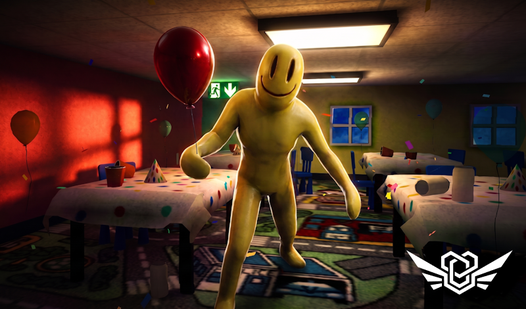
Escape the Backrooms: Level Fun! drops you into Level Fun, one of the most infamous Backrooms levels — bright yellow walls, unsettling carnival music, and entities that don't belong in any funhouse. Getting out requires puzzle-solving AND careful navigation of everything patrolling the space. It's immediately recognizable to anyone who knows Backrooms lore and genuinely tense for everyone else.
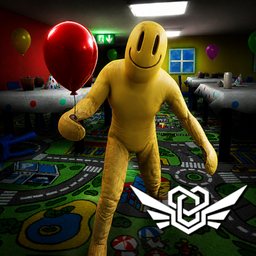
Escape the Backrooms: Level Fun!
Fans of psychological horror will find themselves trapped in a sinister deceptive trap where everything looks like a party but feels like death. Escap...
▶ Play FreeRooms of Fear! Cut Poppy Monsters with the Sword! brings a completely different energy — the rooms come at you as wave-based monster challenges, you're armed with a sword, and the enemies are Poppy Playtime-inspired creatures. Fast, frantic, and more mechanically deep than the title suggests. If you want Room games with direct combat rather than evasion, this is the one.

Rooms of Fear! Cut Poppy Monsters with the Sword!
Slicing through waves of creepy creatures is the ultimate adrenaline rush for any action fan. Rooms of Fear! Cut Poppy Monsters with the Sword! delive...
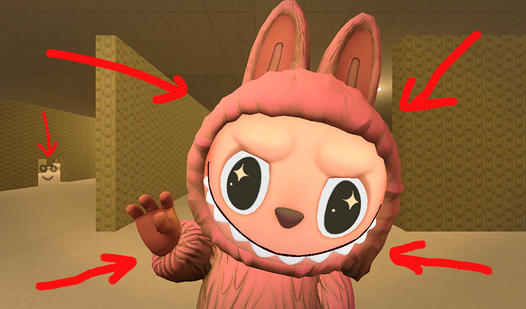
▶ Play FreeThe Backrooms: Meeting with Labubu puts everyone's favorite toy character into the worst possible situation — lost in the Backrooms. The tonal contrast between Labubu's cute design and the genuinely unsettling environment creates something that hits differently from standard Backrooms horror. It's lighter than the other entries but far weirder, and fans of the character will find it especially unnerving.

The Backrooms: Meeting with Labubu
Fans of intense survival horror games will find their next obsession in The Backrooms: Meeting with Labubu. This chilling experience forces you to nav...
▶ Play FreeMerge Games
Merge Mushroom is the clean, classic version of the merge-in-a-room formula. Simple interface, satisfying chain reactions, and enough strategic depth to keep experienced merge players engaged. The best entry point if you want spatial puzzle thinking without horror atmosphere or complex systems getting in the way.

Merge Mushroom
Stuck on a long train ride or just need a quick mental escape from your daily routine? Merge Mushroom is the perfect remedy for boredom, offering a vi...
▶ Play FreeRoom Creation
Create your own room in the Digital Circus gives you full creative control within the Digital Circus universe. Design a space from scratch, furnish it, decorate it, express something through it. It's the building-mode version of Room games — less survival, more expression. For players who'd rather create rooms than escape or destroy them.

Create your own room in the Digital Circus
Fans of interior design and whimsical aesthetics will find their creative paradise in Create your own room in the Digital Circus. This delightful titl...
▶ Play FreeRussian Mushroom Picker brings a folk-art-inspired twist to the spatial puzzle format. You're moving through forest terrain, collecting specific mushrooms, and working within the natural constraints of the environment around you. The pacing is relaxed, the visual style is charming, and the level layouts get progressively trickier in satisfying ways.
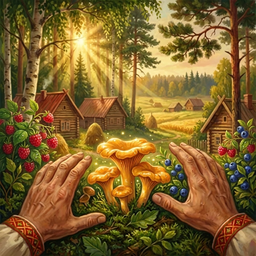
Russian Mushroom Picker
Scouring the dense thickets for hidden treasures is the ultimate test of patience in Russian Mushroom Picker. You must carefully navigate the forest f...
▶ Play FreeQuick Tips for First-Time Room Players
Failure teaches. Room games — especially Backrooms and escape rooms — are built around trial and error. A failed run delivers information the next run can use. Don't treat deaths as setbacks; treat them as paid tutorials.
Check the controls before you start. Room games regularly use non-standard interactions — specific buttons for picking up vs. using vs. combining items — that aren't intuitive without looking. Two minutes reading the control scheme saves twenty minutes of confused clicking.
Turn the volume up. This applies especially to Backrooms games. Audio cues are active gameplay mechanics. Playing muted or at low volume actively reduces your performance.
One session per level when possible. Room games — particularly story-driven Backrooms entries and escape rooms — lose narrative momentum when you step away mid-run. Completing a level in one sitting delivers the intended experience.
Curiosity is rewarded. Push walls. Click background objects. Check corners that seem empty. Every Room game hides something for observant players. The best secrets are always slightly off the main path, waiting for someone patient enough to look.