How to Play Restaurant Games: Rules & Strategies
Restaurant games have exploded in popularity — and for good reason. Whether you're flipping burgers, managing a sushi bar, or running a five-star dining room, these games scratch that satisfying itch of building something from scratch and watching it grow. This guide breaks down how to play Restaurant games: the core rules, kitchen mechanics, smart strategies, and the best free titles you can start playing right now on FreeJoy.games.
What Are Restaurant Games?
Restaurant games are simulation and management titles where you take on the role of a cook, manager, or business owner in a food service setting. The genre spans everything from frantic cooking challenges — where you're tossing food to impatient customers as fast as your hands can move — to deep business sims where you hire staff, design menus, track profit margins, and eventually build a dining empire.
The appeal is genuinely broad. The "restaurant" tag covers a huge range of play styles: pure cooking games focused on speed and precision, tycoon-style management games about growth and strategy, creative sandbox experiences, and even weird genre mashups that use a restaurant as backdrop for something totally unexpected. Whatever your preferred pace, there's a restaurant game for you.
Most games in this genre share a core set of mechanics:
- Customers with patience meters — serve them fast or they walk out unhappy (and tip-free)
- Recipes or menus to follow, upgrade, or unlock as you progress
- Resources to manage — ingredients, cash, staff, equipment durability
- Upgrade systems — better stoves, faster prep stations, more capable workers
- Rating systems — your restaurant's reputation affects how many customers come through the door
Understanding these systems is the foundation of how to play Restaurant games well, regardless of which specific title you pick up first.
How to Play Restaurant Games: Core Rules
The basics are surprisingly consistent across the genre, even when visual styles and settings change completely.
Take Orders Without Hesitation
The moment a customer arrives, their patience bar starts counting down. You'll see their order displayed — sometimes above their head, sometimes in a queue panel — and your job is to get that food prepared and delivered before the bar empties. Speed matters more than you'd think in the early game: a slow response that causes even one walkout can cascade into a bad round if other customers follow suit.
One mistake new players make: waiting until one order is complete before reading the next. Scan all active orders the second they appear so you can mentally group similar tasks before you start cooking anything.
Master Kitchen Flow
The kitchen has multiple stations running simultaneously — bread in the oven, patty on the grill, toppings being assembled — and managing these parallel processes without burning anything is where restaurant games get genuinely skilled. New players tend to hyperfocus on one station and neglect others. Veterans keep every station moving at once.
A useful mental model: treat your kitchen like a juggler treats balls in the air. Your job isn't to complete one throw from start to finish; it's to keep everything airborne at the right moment.
Upgrade Your Slowest Station First
Every restaurant game has an upgrade path, and the temptation is to spend on things that look impressive — fancy countertops, new restaurant themes, decorative elements. Resist this. Your first upgrade priority should always be whichever station is causing your biggest backlog. If the grill can only handle two patties but you're receiving six orders at once, that grill is your entire problem. Fix the bottleneck, then optimize everything else.
Read Your Customers
Most restaurant games introduce different customer archetypes as you progress. Patient regulars, impatient VIPs, big tippers, picky eaters — each type requires a different approach. Learning to recognize and prioritize these types transforms chaotic multi-order management into something much more controlled.
A VIP with a short patience bar but a large tip should always jump your mental queue. A relaxed customer with a long patience window can afford to wait while you handle someone who's about to walk.
Quality Versus Speed
Some restaurant games add a quality dimension to the mix. Overcook a burger and it still technically goes out, but the customer complaint damages your rating. Serve something raw and the penalty is worse. This forces you to develop judgment about when to rush and when to wait for a better result. Generally: a slightly slower, correct dish beats a fast, wrong one over the course of a full level.
Strategies and Tips for Restaurant Games
Once you've internalized the core rules, these strategies will push your scores into higher territory.
The Assembly Line Approach
Instead of completing one order fully before starting the next, batch your tasks by station. Prep all the buns, then all the patties, then assemble everything. It feels counterintuitive at first — your instinct is to finish what you started — but batching dramatically reduces your average serve time once it becomes habitual. Think factory, not craftsperson.
Protect Your Combo Streak
Many restaurant games reward back-to-back successful serves with combo multipliers that boost your earnings and score. These streaks are often worth more than individual orders, which means it's sometimes correct to serve a slightly less urgent order flawlessly rather than rushing a risky one that might miss. Protecting the streak is a strategic choice, not a distraction.
Pre-Position Before the Rush
Between waves or during quiet moments, get ahead of demand. If burgers are your bestseller, have patties cooking before the orders roll in. Pre-position common ingredients at their stations. This speculative prep pays off almost every time — rush patterns in restaurant games are usually predictable enough that your guesses will be correct more often than not.
Staff Management in Deeper Titles
In games with employee systems, your staff is your most valuable resource. Train your slowest workers before hiring new ones — an experienced employee in a critical role outperforms two untrained ones. Also watch for morale mechanics: some games penalize overworked or unhappy staff with reduced performance, which creates a cascading problem you'd rather avoid.
Price Intelligently in Business Sims
Restaurant games that let you set prices are testing your economic intuition. Max prices immediately and you'll watch customers leave. Too cheap and you're leaving money on the table. Find the sweet spot where volume stays strong and your per-dish margin is solid. Some games surface this data in analytics panels — use them.
Review End-of-Level Stats
Almost every restaurant game shows performance data when a round ends: average serve time, customer satisfaction, orders completed, tips earned. Treat these numbers as your coaching report. If average serve time is creeping up, your flow has a problem. If tips are low despite good serve times, you might be missing quality bonuses or failing to prioritize tippers. The data tells you exactly where to improve.
Best Free Restaurant Games Online
Cat Restaurant Tycoon
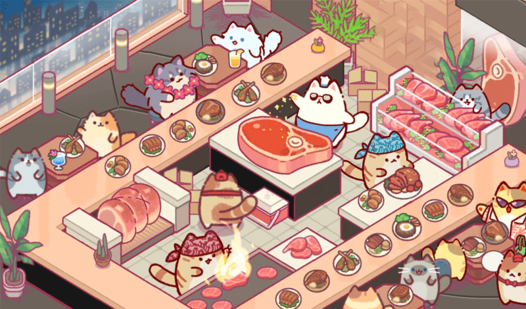
Run a dining establishment staffed entirely by cats — and yes, they're as chaotic as you'd expect. Cat Restaurant Tycoon builds real management depth around its cat-themed premise: your feline staff have moods, skills, and individual personalities that affect their performance. A grumpy chef produces lower-quality food. A playful waiter might charm customers into staying longer, but also might knock something off a table. Managing your staff's wellbeing becomes as important as managing the kitchen itself.
Cat Restaurant Tycoon
Stuck in a boring meeting or just need a quick mental escape from your daily grind? Cat Restaurant Tycoon is the perfect cure for your boredom, offeri...
▶ Play FreePVZ Cafe Simulator: Hybrid Taco Mod Restaurant
This one's for fans of Plants vs. Zombies who ever wondered what would happen if Crazy Dave pivoted to the food industry. PVZ Cafe Simulator drops you into a restaurant where zombies are your customers — and they're surprisingly demanding for beings primarily interested in eating brains.
The PVZ universe translates into the restaurant setting better than you might expect. You'll recognize characters from the original games, the humor is on point, and the taco-focused menu leads to some genuinely odd order combinations. Some customers want their tacos intact; others want them pre-bitten. Managing a zombie dining room has its own strange logic, and the game commits to the bit completely.
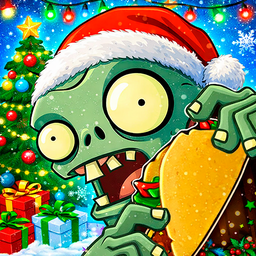
PVZ Cafe Simulator Hybrid Taco Mod Restaurant
Fans of quirky management challenges will find their new obsession running a busy eatery for the undead in PVZ Cafe Simulator Hybrid Taco Mod Restaura...
▶ Play FreeRestaurant Simulator: Burgers & Pizza
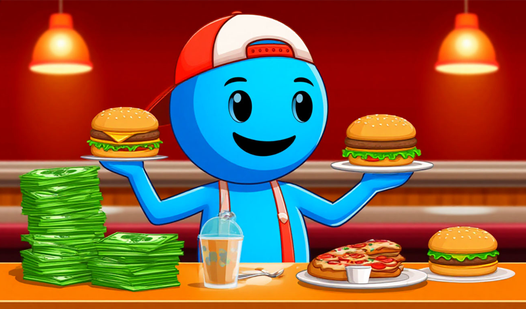
This is the choice for players who want the full fast-food ownership experience without shortcuts. Restaurant Simulator: Burgers & Pizza gives you a dual-concept establishment — burgers on one side, pizza prep on the other — and expects you to manage both simultaneously alongside staff, supply chains, and growing customer demand.
The learning curve is real, which is actually a feature. When you finally solve your kitchen flow and start generating consistent profit, the accomplishment feels earned. The business sim layer here — equipment upgrades, menu expansion, location growth — rivals games with actual price tags.
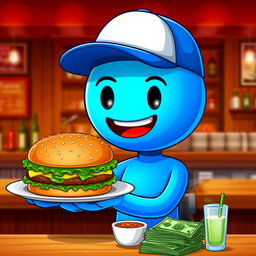
Restaurant Simulator: Burgers & Pizza
Flipping patties and sliding hot pizzas across the counter defines your daily grind in Restaurant Simulator: Burgers & Pizza. You start as a small-tow...
▶ Play FreeCooking Restaurant
Fast-paced, varied, and genuinely educational about food culture — Cooking Restaurant sends you around the world through its cuisine. One level you're running a sushi counter with precise plating requirements; the next you're pulling pasta in an Italian kitchen; then street food prep somewhere in Southeast Asia. Each cuisine brings its own recipes, techniques, and customer expectations.
The variety is the main sell. If one food type starts feeling repetitive, the next level completely reinvents the game's feel. The underlying mechanics stay consistent — prep, cook, serve, upgrade — but new culinary contexts keep it fresh for far longer than single-cuisine games manage.
Toka World Restaurant
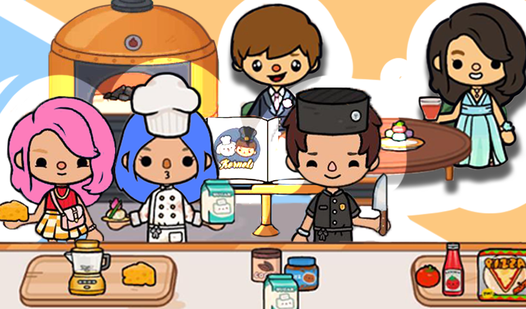
Toka World Restaurant takes a deliberately creative, low-pressure approach. You've got 15 characters to work with, each with their own personality and role, and the goal is to build and run a restaurant on your own terms. There's no prescribed "correct" kitchen layout or menu — you design the experience.
This makes Toka World Restaurant excellent for players who find the relentless time pressure of other restaurant games exhausting. You can experiment with character assignments, try different layouts, and build something that reflects your creative vision rather than chasing high scores. But don't mistake relaxed for shallow — how you assign characters and structure the space has real consequences for how your restaurant performs.
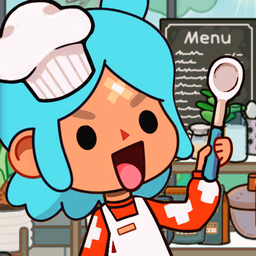
Toka World Restaurant
Staring at the clock and waiting for your shift or school day to end can feel like an eternity. Toka World Restaurant is the perfect digital escape to...
▶ Play FreeMore Restaurant Games Worth Playing
The five featured games above are strong starting points, but the genre runs much deeper. These five titles offer distinct takes on the restaurant formula:
Restaurant Business Taikon focuses on the economics of building a food business from a single stall into something larger. Supply reports, foot traffic analysis, and business strategy take center stage here. Less about cooking speed, more about thinking like an owner.
Pizza Simulator: Manage Your Restaurant! narrows its focus entirely to pizza and goes deep on the actual making process. Toss the dough, apply toppings with precision, monitor the oven temperature — every step of pizza production is simulated in a way that generic restaurant games skip entirely. Strangely satisfying once you get your technique dialed in.
Cafe-Restaurant: Burger Fever! cranks up intensity through its fever mechanic — hit a service milestone and the whole kitchen goes into overdrive. More customers, shorter timers, bigger tips. The game deliberately stresses your systems to see if they hold up under pressure. They usually don't at first. That's the point.
Freddy's Pizzeria - Build a Restaurant emphasizes construction and layout design alongside the cooking mechanics. You physically build the space before running it — choosing your floor plan, buying and placing equipment, designing the dining room. The construction phase adds a layer of strategic decision-making that pure cooking games skip entirely.
Sprunki Restaurant Cooking Incredible Blind Box is the wild card. It combines restaurant cooking with a blind box mechanic — you never know exactly what ingredient or tool you'll receive next, which forces you to adapt your strategy constantly. If you've mastered the predictable patterns of standard restaurant games and want something that actively disrupts your assumptions, this is it.
Advanced Techniques for How to Play Restaurant Games
Once you're comfortable with the basics, a few techniques separate good players from great ones.
The "Never Empty" Rule
Keep every cooking station occupied at all times, even if you don't have a confirmed order for what it's producing. Most restaurant games let you hold completed items briefly before they expire. If burgers are your most common order, have one cooking speculatively — you'll be right often enough that the occasional waste is worth the average time savings.
Customer Priority Scoring
Build a mental priority system based on customer value, not arrival order. VIPs with short patience and high tips jump the queue. Regulars with generous patience wait. Customers who are already close to leaving should often get bumped ahead of new arrivals who just sat down. The instinct to serve in arrival order feels fair but costs you money.
Layout Optimization
In games that let you arrange your kitchen or dining room, every step your character takes is time you're spending on movement instead of cooking. Put the most-used stations closest to each other. Reduce walking distance between prep, cooking, and assembly. A well-designed kitchen layout can improve your throughput significantly without any upgrades — it's free efficiency.
Pattern Recognition for Rush Waves
Most restaurant games run on predictable difficulty waves: quiet start, building pressure, peak rush, brief cool-down, repeat. Once you recognize these patterns in a specific game, you can anticipate peaks and pre-position accordingly. The goal is to have your most time-consuming dishes already in progress before the rush, not to start cooking them when it hits.
Why This Genre Keeps People Hooked
Restaurant games hit a psychological loop that's close to perfect: perform an action, see immediate feedback, earn a reward, use that reward to access more complexity. The cycle is fast, legible, and fair-feeling in a way that many game genres aren't.
There's also something uniquely satisfying about the restaurant setting specifically. Everyone understands food, cooking, and service at some intuitive level. You don't need to learn a fictional mythology before the premise makes sense. A customer waiting too long for their order is universally recognizable. A beautifully executed kitchen service rhythm creates a genuine sense of flow — that state of full absorption where everything clicks and your hands seem to move without conscious effort.
The best restaurant games give you that experience repeatedly across a progression of increasing difficulty. You're not just playing to win; you're playing to feel competent, then skilled, then masterful. Few game genres deliver that arc as cleanly.
Starting Out: Tips for New Players
If you're brand new to how to play restaurant games:
- Start with forgiving titles. Toka World Restaurant and Cat Restaurant Tycoon ease you into mechanics before ramping difficulty. They're good confidence builders.
- Missing orders is normal. Every experienced player lets customers walk out angry. Focus on reducing how often it happens, not on immediate perfection.
- Read upgrade descriptions carefully. Some upgrades look impressive but don't address your real bottleneck. Spend on what actually slows you down.
- Replay levels you struggle with. Restaurant games reward repetition — once you know a level's customer patterns and rush timing, your second attempt will be dramatically better than your first.
- Adjust audio if needed. The constant sizzling, dinging, and customer noise in restaurant games can be genuinely overstimulating. Many players perform better with sound off. There's no downside to trying it.