How to Play Relaxing Games: Rules, Tips & Free Picks
Stressed out? Sometimes all you need is a game that doesn't demand anything intense from you. Knowing how to play Relaxing games — and choosing the right one — can turn even a rough afternoon into something genuinely restorative. Whether you're after a peaceful puzzle, a soothing creative outlet, or just something to do with your hands while your brain powers down, the Relaxing genre delivers without any of the frustration that comes with competitive or high-difficulty titles.
This guide covers everything: what Relaxing games actually are, the basic rules behind the most popular types, strategies to get the most enjoyment out of them, and a handpicked selection of the best free options available right now on FreeJoy.
What Are Relaxing Games?
Relaxing games are a broad category united by one core goal: they make you feel better, not worse. No punishing difficulty spikes, no frantic button-mashing, no countdown timers screaming at you. The focus is on calm, meditative interaction — the kind that quiets mental chatter rather than adding to it.
These games typically share a few common traits:
- Low stakes — you rarely "lose" in any meaningful way. Progress feels inevitable rather than precarious.
- Repetitive, satisfying mechanics — sorting, matching, merging, drawing, fishing. The loop itself is the reward.
- Soothing aesthetics — soft color palettes, gentle animations, ambient soundtracks.
- Flexible session length — you can play for five minutes or two hours and both feel complete.
The genre pulls from puzzles, simulations, creative tools, and even music makers. What ties them together isn't mechanics but mood: that specific feeling of your shoulders dropping half an inch when you sit down to play.
Relaxing games are especially popular with adults who want something engaging but not exhausting — a mental palate cleanser between meetings or a wind-down ritual before bed. They hit differently than "casual" games, which can still carry time pressure and competitive hooks. Relaxing games strip those away entirely.
Relaxing Puzzles for Adults
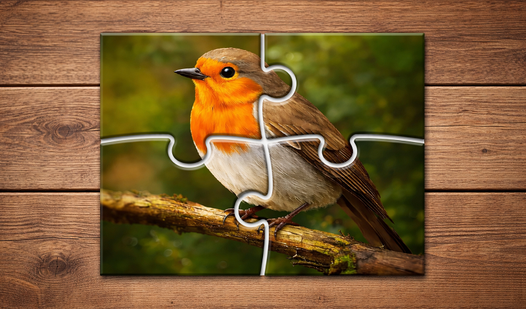
Jigsaw puzzles are the ultimate brain exercise that helps lower stress levels after a long day of work. Relaxing Puzzles for Adults brings this classi...
▶ Play FreeRelaxing Game Rules: The Basics by Subtype
Here's the thing about Relaxing games — the rules are usually the point of least resistance. Unlike strategy games or competitive shooters, the mechanics are designed to be understood within the first thirty seconds. Still, knowing what to expect from each subtype helps you find your niche faster.
Puzzle Games
Classic puzzle mechanics dominate the Relaxing category. Think jigsaw puzzles, color-matching, number fills, and sorting challenges. The rules are dead simple:
- Jigsaws: drag pieces to their correct positions. Edge pieces first, then clusters by color or detail.
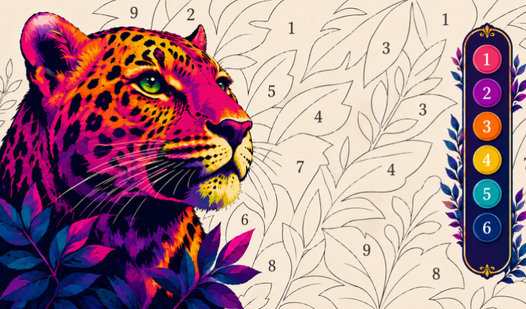
- Color by number: fill cells with the indicated color. The image reveals itself as you go.
- Sorting games: organize objects by color, shape, or type until every container is uniform.
The unspoken rule in all puzzle-based Relaxing games: there's no wrong move that ends the game. You might need to undo a step or reshuffle a board, but the experience never punishes you harshly for experimenting. The pressure is off, which is the whole point.
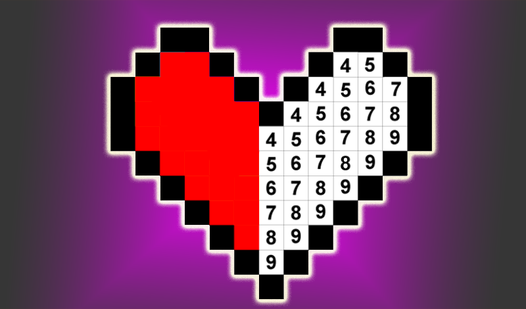
Color by Numbers games like PixPix take this to an almost meditative extreme — each numbered cell is a micro-decision that requires zero stress. Tap, fill, watch the picture emerge. The satisfaction isn't in solving a hard problem; it's in the gentle accumulation of small completions.
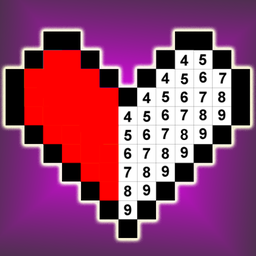
Color by numbers: PixPix
Tap numbered blocks to transform blank canvases into vibrant masterpieces in Color by numbers: PixPix. This relaxing paint by number experience turns ...
▶ Play FreeFishing Games
Fishing simulations have their own distinct rhythm. The core loop is: cast your line, wait, react when something bites, reel it in. That's it. The rules center around timing — knowing when to let the fish tire itself out versus when to pull — but the pace is entirely yours to control. Nobody is racing you. The water is patient.
Big Fishing wraps this loop in an immersive environment where the experience of being on the water is half the appeal. The ambient sounds, the visual detail of the environment, the slow arc of the cast — these elements do as much work as the mechanics themselves.

Big Fishing
Fishing is more than just waiting for a bite, it is a test of patience that keeps millions of players hooked on the thrill of the perfect catch. Big F...
▶ Play FreeMerge Games
Merge mechanics are possibly the most addictive subset of the Relaxing genre. The rule is elegantly simple: combine two identical items to create the next tier. Merge two mushrooms, get a bigger mushroom. Merge two flowers, create a rarer bloom. The chain reaction of successful merges triggers a low-key dopamine loop that keeps sessions going longer than you'd expect.
Crucially, merge games are almost impossible to "lose" — you can always clear space, recombine, and keep going. The only challenge is optimizing your board, and even that is optional.
Music Creation Games
Some Relaxing games are less about "winning" and more about creating. Music games in this space let you layer sounds, beats, and melodies without needing any musical training whatsoever. The only rule: experiment freely until it sounds good to you.
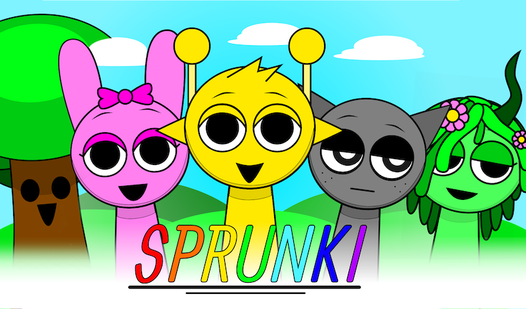
Sprunki is a standout here. You build tracks by dragging characters onto a stage, each one contributing their own sound layer. The result can be chill ambient music, something groovy, something chaotic — it's entirely up to you. No wrong answers, no score to chase. Just sound and creativity.
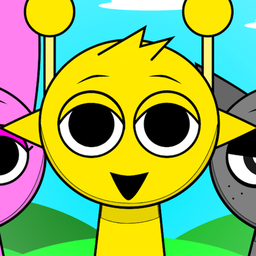
Sprunki
Music lovers and creative spirits will find their new obsession with Sprunki, a vibrant playground for rhythm and sound. This browser-based experience...
▶ Play FreeStrategies and Tips for Getting the Most Out of Relaxing Games
Even in low-pressure games, a bit of strategic thinking makes the experience more satisfying. These approaches work across the genre:
1. Start Without a Goal
This sounds counterintuitive, but Relaxing games reward aimless exploration more than methodical play. Spend the first few minutes just clicking around, seeing what the game responds to. You'll naturally discover the satisfying loops without the anxiety of doing it "right" from the start. Let the game teach you at its own pace.
2. Prioritize Sound
A huge part of the Relaxing game experience lives in the audio design. The gentle snap of a puzzle piece locking into place, the ambient water sounds in a fishing game, the satisfying chime of merged objects upgrading — these sounds are doing real work on your nervous system. Play with headphones or decent speakers when you can. Muting a Relaxing game cuts its effect roughly in half.
3. Don't Rush Merge Chains
In merge games, the instinct is to combine everything the moment you have a matching pair. Resist this. Holding back and planning two or three moves ahead keeps the board from getting cluttered and creates more satisfying chain reactions when you do act. The delayed gratification makes the big merge feel much better.
4. Set Your Session Length Before You Start
The "just one more move" trap is real even in Relaxing games. Deciding in advance — five minutes, twenty minutes, or whenever this puzzle is done — helps you stay in a healthy flow state without accidentally losing a couple of hours. Relaxing games are excellent, but a boundary makes them even better.
5. Let Jigsaw Puzzles Breathe
With jigsaw-style games, fighting to force pieces to fit is counterproductive and actually stressful. The better approach: sort by edge pieces first, then work by color clusters or distinctive visual details. Step back mentally every few minutes and look at the overall composition. Pieces that you couldn't place before often become obvious after a brief rest.
Jigsolitaire is built entirely around this unhurried philosophy — peaceful imagery, no time pressure, the quiet satisfaction of watching a beautiful scene emerge piece by piece.
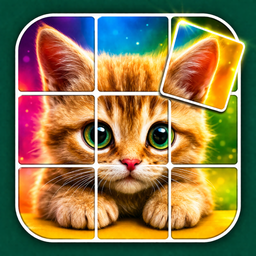
Jigsolitaire
Staring at a blank screen during a midday slump is the worst, but finding a quick way to reset your brain is a total game changer. Jigsolitaire acts a...
▶ Play Free6. Work by Color in Number-Fill Games
Rather than filling cells randomly across the image, pick one color and complete every cell of that color before switching. This creates visible progress faster, makes the image reveal feel more dramatic, and gives you a clear micro-goal to work toward. It also prevents that scattered, unfinished feeling when nothing seems to be taking shape.
7. Rotate Between Subgenres
If you find yourself getting slightly restless with puzzles, switch to a merge game. Tired of merging? Try a fishing session. Bored of both? Open a music creation game and just make noise. The Relaxing genre is wide enough that you can vary your experience without ever leaving the comfort zone of low-stress gameplay. Having two or three favorites to rotate between is better than grinding one until it loses its charm.

Sorting Nuts by Color
Arrange colorful hardware onto matching bolts to clear your board in this addictive logic challenge. You must carefully drag and drop each piece to en...
▶ Play Free
Merge Mushrooms: Forest Connect 2048
Fans of 2048 puzzles will find their new addiction beneath the canopy of this enchanted woodland. Merge Mushrooms: Forest Connect 2048 challenges you ...
▶ Play FreeBest Free Relaxing Games to Play Right Now
Here's a closer look at what's worth your time across the variety of Relaxing subgenres on FreeJoy.
Yarn Fever! Unravel Puzzle
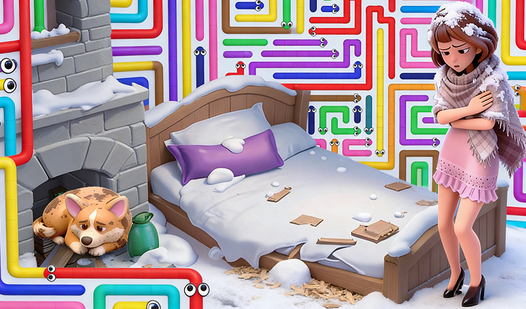
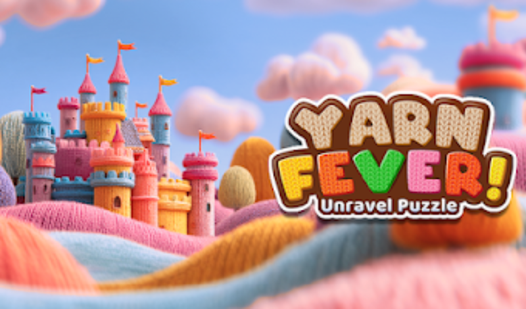
Yarn tangles are normally an exercise in frustration. This game flips that completely. The mechanic involves tracing paths to unravel colorful yarn without crossing threads — it's the kind of puzzle that feels just challenging enough to be genuinely engaging without ever tipping into stressful territory. The visual payoff of watching tangled chaos resolve into clean, smooth lines is oddly very satisfying. Short levels mean you can complete a full satisfying arc in under two minutes.

Yarn Fever! Unravel Puzzle
Staring at the clock and waiting for your next meeting to start is a total drag when you just need a quick mental escape. Yarn Fever! Unravel Puzzle i...
▶ Play FreeMerge the Flowers: Create a Summer Meadow!
Everything about this game is designed to make you feel good. You're building a blooming meadow by merging flower tiles — each successful merge reveals a more elaborate, colorful bloom. The seasonal theme, warm palette, and gentle progression make it feel like a small digital garden you're actually tending. It's genuinely difficult to feel tense while playing. The music alone is worth putting on in the background during a rough day.

Merge the Flowers: Create a Summer Meadow!
Staring at the clock and waiting for your shift to end feels like an eternity when the workday hits a slump. Merge the Flowers: Create a Summer Meadow...
▶ Play FreeNumicolor
Numicolor bridges the gap between color-by-number and light arithmetic. You're filling a grid based on number patterns, and as the numbers complete, colors bloom in to reveal an image. It has just enough mental engagement to keep you focused — which is exactly what good Relaxing games do. Keep you occupied enough to stop ruminating, but not so demanding that you get frustrated. Perfect for the 15-minute wind-down before switching off the screen for the night.

Numicolor
Creative souls seeking a moment of calm will find their sanctuary in Numicolor, a refreshing take on the classic digital art experience. This delightf...
▶ Play FreeSuper Arrow Go!
Don't let the energetic name mislead you — this puzzle game is all about calm, deliberate planning. You're directing arrows to guide objects to their destinations, working out each path one careful step at a time. There's no speed requirement. The satisfaction comes entirely from correctly working out the solution, not from executing it quickly. A quiet, thoughtful kind of play.
Arrows: Help the Family
Similar in spirit to Super Arrow Go!, this game layers on emotional warmth with a family-centered narrative. You're solving directional puzzles to help characters reach each other. The pacing is gentle, the visuals are cheerful and soft, and the progression feels consistently encouraging. Even when you get stuck, the game nudges you forward rather than leaving you to feel frustrated.
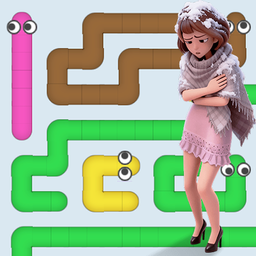
Arrows: Help the Family
Puzzle lovers who enjoy clever brain teasers will find Arrows: Help the Family an addictive challenge for their downtime. You navigate through intrica...
▶ Play FreeWhy Relaxing Games Actually Work
There's real psychology behind why these games help people decompress. Repetitive, predictable actions — sorting, matching, tapping, filling — engage the brain's attention just enough to disrupt anxious thought patterns without triggering the stress response. It's sometimes called "flow lite": not the full deep-focus state that difficult games require, but a lighter, more sustainable version that you can access without warming up.
The low stakes matter enormously here. When there's no meaningful penalty for failure, your brain stops scanning for threats. That vigilance shutdown is a big part of what makes a Relaxing game feel physically different from a competitive one — your jaw unclenches, your breathing slows, your attention narrows to just the thing in front of you.
Many Relaxing games also draw on natural and organic visual themes — gardens, forests, water, animals, flowers. This isn't coincidence. These aesthetics tap into the same restorative mechanisms as actually spending time in nature. It's not a perfect substitute for a walk outside, but at midnight when you can't sleep, it comes surprisingly close.
The best Relaxing games also tend to feature audio that mimics ambient natural sound — bubbling water, gentle wind, soft tones — which reinforces that effect. The combination of visual calm and auditory calm creates a double feedback loop that's genuinely effective at reducing cortisol over a short session.
Finding Your Relaxing Game Type
Not every Relaxing game hits the same way for everyone. A quick breakdown to help you find your personal sweet spot:
You want zero cognitive load: Color by number, fishing games. Pure sensory experience. Your brain barely needs to be there.
You want mild problem-solving: Sorting games, jigsaw puzzles, yarn puzzles, arrow games. Just enough to stay focused, nothing that strains.
You want creative expression with no rules: Music creation games like Sprunki. No objectives, no scores. Just experimentation.
You want satisfying progress loops: Merge games. The chain reactions and visible board evolution create strong but completely low-stress motivation.
You want something visually beautiful: Jigsaw-style games with high-quality imagery. The puzzle is almost secondary to watching the art emerge.
Every game in the FreeJoy Relaxing catalog is free to play directly in your browser — no registration, no download, no waiting. Just open and play.