How to Play Recommended Games: Rules & Strategies
If you've landed here wondering how to play Recommended games on FreeJoy, you're in the right place. The Recommended tag is one of the most useful filters on the platform — it cuts through thousands of titles and surfaces the games that players actually enjoy, come back to, and share with friends. Whether you want a quick casual session or a longer strategic challenge, Recommended games cover the full spectrum. This guide breaks down what makes these games tick, how to approach them, and which ones deserve your time right now.
What Are Recommended Games?
The Recommended category is exactly what it sounds like — a curated collection of games that have earned positive attention from the community. These aren't random picks. A game earns the Recommended label based on a combination of factors: player ratings, session length, return visits, and overall engagement. Think of it as a crowd-sourced editorial pick, filtered through actual gameplay data.
What makes this tag particularly useful is its diversity. You'll find puzzle games, sandbox experiences, card games, and hidden object adventures all sitting under the same umbrella. The common thread isn't genre — it's quality. Recommended games tend to be polished, well-balanced, and genuinely fun to play. They work well in browser, load fast, and don't require installs or accounts.
The other thing worth knowing: the Recommended list updates over time. A game that was solid six months ago might drop off if something better comes along. That means checking back periodically is worthwhile — you'll often discover titles you missed the first time around.
Rules and Basics: How Recommended Games Work
Since Recommended is a tag rather than a single game type, there's no single ruleset. But there are patterns. Most games in this category share certain design philosophies that make them accessible to new players while still offering depth for those who want it.
Clear objectives from the start. Recommended games almost always explain the goal within the first 30 seconds of play. You won't be dropped into a system with no context. Whether you're matching tiles, building structures, managing a deck, or hunting for hidden objects, the core loop is communicated clearly and quickly.
Forgiving entry points. The early levels or opening sequences of Recommended games are designed to teach by doing. You'll fail forward — mistakes are low-stakes, and the game shows you why something didn't work so you can adjust.
Increasing complexity. After the basics click, Recommended games layer in new mechanics. A match-3 might introduce power-ups and special tiles. A card game might add new suit combinations. A sandbox might unlock new physics interactions. The progression feels earned rather than forced.
No pay-to-win pressure. Games in this category that have monetization keep it cosmetic or optional. The core gameplay loop is always available without spending anything, which is a big part of why players recommend them.
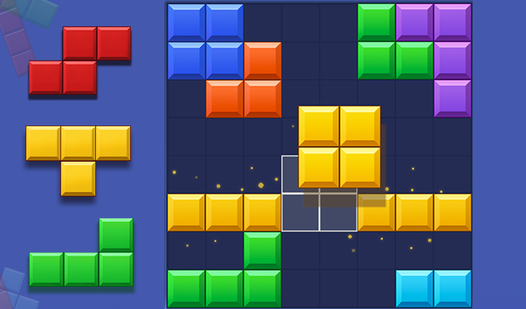
One of the most reliable games in this category is Blocks and that's it — a deceptively simple block puzzle where you place pieces on a grid and clear rows or columns. The rules are immediately intuitive, but figuring out efficient piece placement takes real thought. It's a game you can pick up in 30 seconds and still find challenging after dozens of sessions.
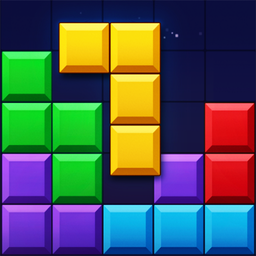
Blocks and that's it
Feeling that midday slump or need a quick mental refresh? Blocks and that's it is your perfect escape, offering a delightful challenge that sharpens y...
▶ Play FreeStrategies That Work Across Recommended Games
Because the Recommended tag spans multiple genres, the best strategies are somewhat universal. Here's what separates players who get stuck from players who keep progressing.
Think Two Steps Ahead
In any puzzle-based Recommended game, reactive play only gets you so far. Players who do well tend to plan ahead — they're thinking about the consequence of their current move, not just the immediate reward. In a match-3, that means setting up chain reactions rather than just clearing whatever match is available. In a card game, that means considering what the board will look like after your move, not just what it looks like now.
The habit of "slow down, look further" pays dividends across almost every title in this category. It's uncomfortable at first because the impulse is always to move quickly, especially in casual games. But deliberate play consistently outperforms reactive play.
Prioritize Special Tiles and Power-ups
Many Recommended games reward creative combinations. Power-ups in match-3 games, for example, are often more valuable when combined with each other rather than used individually. A line-clearing bomb plus a color-blast creates a board-wide event that would take dozens of individual moves to achieve manually.
Learn what each power-up or special element does early, then start thinking about how to generate them deliberately rather than by accident. In most games, special elements are created by matching four or more pieces, building specific patterns, or hitting particular score thresholds.
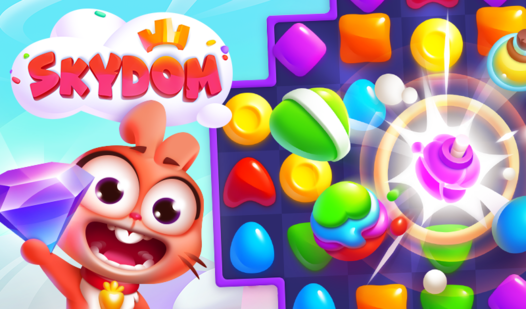
Skydom - Match 3 is a great example of a game that rewards this kind of strategic thinking. The sky-themed levels add visual variety while the core match-3 mechanics stay tight and satisfying. Combining power-ups here creates spectacular chain reactions that make progress feel genuinely rewarding.
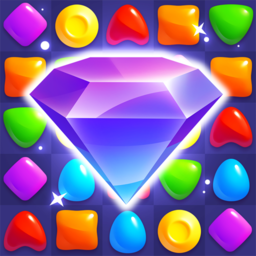
Skydom - Match 3
Feeling bored and need a quick mental escape? Skydom - Match 3 is here to whisk you away to vibrant sky kingdoms packed with enchanting challenges! Fo...
▶ Play FreeKnow When to Reset
This applies especially to card games and puzzle games with persistent board states. Sometimes a board is set up unfavorably from the start, and grinding through a near-impossible arrangement wastes time you could spend on a fresh, better-positioned run. Learning to recognize when a game state is unwinnable — rather than just hard — is a legitimate skill.
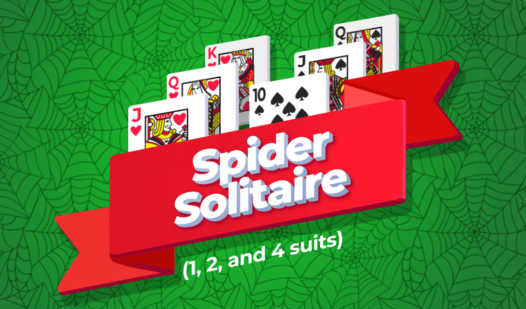
Spider Solitaire illustrates this perfectly. The game comes in one, two, and four suit variants, and the four-suit version in particular can produce starting arrangements where a win is statistically very difficult. Expert players recognize these states early and restart rather than investing ten minutes into a losing battle.
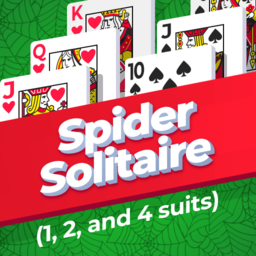
Spider Solitaire (1, 2, and 4 suits)
Arrange descending sequences of the same suit from king to ace to clear the board. Spider Solitaire offers a classic card game experience with multipl...
▶ Play FreeIn Sandbox Games: Experiment First, Optimize Later
Sandbox titles within the Recommended category operate differently from structured puzzle games. Here, there's no wrong move — but there are more and less interesting ways to play. New players often try to optimize too early, before they've actually explored the mechanics.
The better approach: spend your first several sessions just trying things. Build something weird. Apply an interaction you haven't seen before. Let things break. Once you understand what the sandbox allows, you'll have a much clearer picture of what you actually want to create or accomplish.
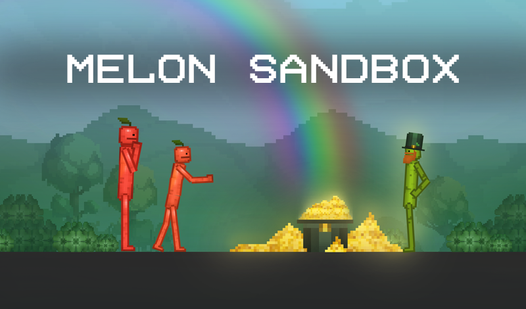
Melon Sandbox is a perfect playground for this philosophy. It's a physics-based sandbox where you can combine items, trigger events, and see what happens — with unpredictable and often hilarious results. The game rewards curiosity more than efficiency, which makes it genuinely refreshing compared to more goal-oriented titles.
Melon Sandbox
If you love creative freedom and boundless experimentation, Melon Sandbox is your next obsession. This free online sandbox game lets you build, destro...
▶ Play FreeHunt for Hidden Patterns in Adventure Games
Treasure and exploration games in the Recommended category often have underlying patterns that aren't immediately obvious. Maps tend to have clusters of valuable items. Puzzle sequences repeat with variations. Understanding the pattern gives you a significant edge over just exploring randomly.
Take notes if you need to — even rough ones. "Treasure tends to appear in the third room of each section" is the kind of observation that turns a slow exploration session into an efficient run. Adventure games reward players who pay attention to structure, not just surface-level action.
Best Free Recommended Games on FreeJoy
Here's a closer look at the top picks currently in the Recommended category.
Pirate Treasures
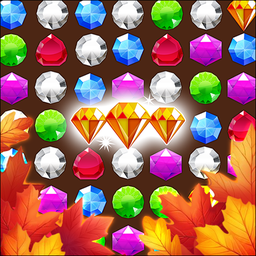
This treasure-hunting adventure puts you on a quest through pirate-themed levels where you're matching gems and collecting rewards. The pirate aesthetic is well-executed — animations are crisp, the audio design creates a genuine sense of adventure, and the level variety keeps things interesting across dozens of stages. The strategic element comes from managing limited moves and targeting specific gems to unlock chests and progress.
What makes Pirate Treasures stand out in the Recommended category is the balance between accessibility and challenge. Early levels are genuinely easy, which makes onboarding smooth. But mid-game difficulty ramps up in ways that require actual planning — you can't coast on luck alone past a certain point.
Pirate Treasures
Fans of swashbuckling adventures and challenging logic riddles will find their new obsession with Pirate Treasures. This vibrant match 3 game tasks yo...
▶ Play FreeBlock Blast 2048
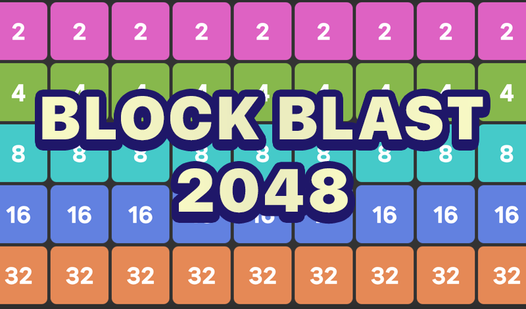
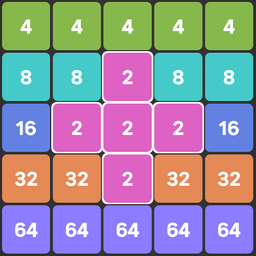
If you're familiar with 2048, Block Blast 2048 takes that number-merging concept and pushes it further with blast mechanics that clear multiple cells at once. The goal is to reach high-value tiles without filling the board. What makes this version interesting is the blast feature — strategic positioning creates clearing events that buy you space and time when the board gets crowded.
Block Blast 2048
Number merge games have a unique way of keeping your brain sharp while providing that oddly satisfying flow state. Block Blast 2048 takes this classic...
▶ Play FreeOceanscapes - Secrets of the Lost Treasures
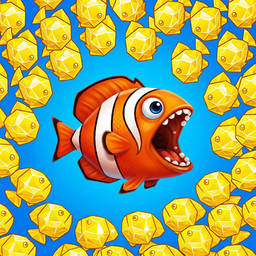
This hidden object game wraps its item-hunting gameplay in an underwater exploration narrative. Each scene is beautifully rendered, and the search challenges vary between timed rounds, silhouette identification, and word lists. The narrative layer — piecing together what happened to the lost treasures — gives the sessions a sense of momentum beyond individual puzzles.
Oceanscapes - Secrets of the Lost Treasures
Swap shimmering underwater tiles to create explosive combinations and clear your path through mysterious ocean depths. Oceanscapes - Secrets of the Lo...
▶ Play FreeHidden Object: Clues and Mysteries
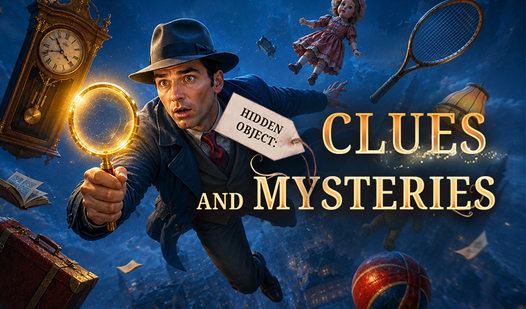
A classic hidden object game with a detective bent. Each level presents a scene packed with items, and your job is to find specific objects within a time limit. The clue system adds a layer of deduction — you're not just scanning randomly, you're reading descriptions and inferring where items might be based on the room's context. Smart, clean, and endlessly replayable.

Hidden Object: Clues and Mysteries
The human brain is naturally wired to find patterns in chaos, making the classic hidden object genre the ultimate test of observation. Hidden Object: ...
▶ Play FreeTips for Getting the Most Out of Recommended Games
Beyond genre-specific strategy, there are general habits that help across the entire Recommended catalog.
Read the tutorial, even if you think you know the genre. Recommended games often have unique mechanics layered on top of familiar frameworks. The match-3 you just loaded might have a twist you've never seen in match-3 games before. Two minutes with the tutorial saves twenty minutes of confusion.
Set a session intention. Before loading a game, decide what you want to get out of the session. Trying to beat a specific level? Reaching a score milestone? Just relaxing? Having a clear intention helps you stay engaged rather than drifting through sessions without direction.
Use the rating system. When you finish a session, take a second to rate the game. This directly influences what ends up in the Recommended category for other players. The more accurate the ratings, the more useful the tag becomes for everyone.
Rotate between genres. One of the genuine benefits of the Recommended tag spanning multiple genres is that you can mix up your sessions. A 20-minute Spider Solitaire session followed by 15 minutes of Melon Sandbox is a genuinely different cognitive experience than just grinding one game type for an hour. Variety keeps your engagement level higher and often helps you approach a stuck level with fresh perspective.
Don't ignore the simpler games. There's a tendency to overlook straightforward games in favor of complex ones. But many of the most satisfying Recommended games are simple by design. Blocks and that's it, for example, is not trying to be complicated — and that restraint is exactly what makes it rewarding. Simple rules with depth is a harder design achievement than complicated systems, and the Recommended tag includes plenty of games that nail it.
Why the Recommended Tag Matters for New Players
If you're new to FreeJoy or to browser-based gaming generally, the Recommended tag is your best starting point. Trying to browse thousands of games without a filter is overwhelming. Starting with Recommended narrows the field to titles that have already been validated by other players — which means you're much more likely to have a good first experience.
It also functions as a taste calibration tool. Play five or six Recommended games across different genres. Note which ones you enjoyed most. That pattern will tell you a lot about what game types resonate with you, which makes it easier to browse the broader catalog with a clearer sense of what you're looking for.
The Recommended category isn't perfect — no curation system is. Occasionally a game that doesn't quite hit the mark slips through, or a genuinely excellent title doesn't surface fast enough. But as a starting point and a filter for quality, it's consistently reliable.