How to Play Mini Games: Rules, Strategies & Free Fun
Mini games have carved out a permanent place in online gaming — and understanding how to play Mini games properly is the fastest way to get more out of every session. These short, punchy experiences pack a full gaming hit into a few minutes. No lengthy installations, no hours-long tutorials, no subscription required. Just load up, play, and come back for more. This guide covers everything: what Mini games actually are, the core rules that apply across formats, strategies that separate casual players from consistent winners, and the best free Mini games available right now.
What Are Mini Games and Why Are They So Popular?
At their core, mini games are self-contained game experiences built around a single mechanic or challenge. Where a standard game might take 20+ hours to finish, a mini game wraps its entire experience into 60 seconds to 5 minutes. That compression is the whole point — maximum fun, minimum friction.
The format spans a huge range of styles:
- Skill challenges: reaction tests, timing puzzles, precision tasks
- Action games: combat rounds, obstacle runs, survival bursts
- Puzzle formats: logic challenges, memory tests, match sequences
- Multiplayer chaos: party-style competitions with dead-simple controls
What makes them especially appealing is how little they demand from the player upfront. Controls are usually explained in one screen. Objectives are immediately obvious. And because the rounds are so short, failing doesn't sting the way it does in longer games — you're back in under a minute, already applying what you learned.
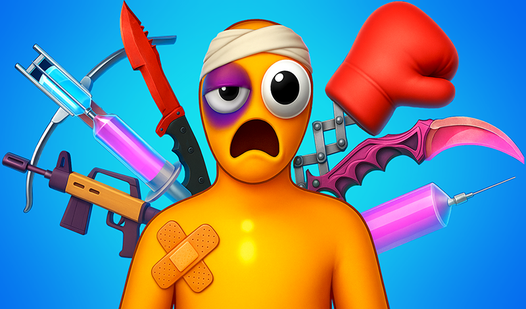
Fun Ragdoll Challenge! Mini Games Collection! is a textbook example of this philosophy. It packs dozens of short levels where you pilot floppy ragdoll characters through increasingly ridiculous scenarios. The controls are minimal, the physics are deliberately chaotic, and every failed run is funnier than the last. It's the kind of game you open for five minutes and close an hour later.
Fun Ragdoll Challenge! Mini Games Collection!
Fans of chaotic physics and wacky stickmen will find endless entertainment in this zany collection of challenges. Fun Ragdoll Challenge! Mini Games Co...
▶ Play FreeHow to Play Mini Games: Core Rules and Basics
If you've ever jumped into a mini game, died immediately, and had no idea why — this section is for you. Learning how to play Mini games efficiently comes down to a few consistent habits that apply across almost every format.
Step One: Read the Objective Before You Touch Anything
This sounds obvious, but the majority of beginner mistakes come from skipping it. Every mini game has one primary goal. "Survive 30 seconds." "Collect all coins." "Don't touch the red tiles." Two seconds of reading saves multiple failed attempts spent figuring out what counts as a win condition.
Step Two: Understand the Controls
Browser mini games almost always use the same small set of inputs:
- Arrow keys or WASD — movement
- Spacebar — jump or primary action
- Mouse click — shooting, interacting, selecting
- Single key — in stripped-down one-button formats
Most games display controls on the loading screen or in a help icon tucked in a corner. Don't skip it. Ten seconds there saves you several minutes of guessing.
Step Three: Choose the Right Difficulty Entry Point
If a difficulty option exists, start below where you think you should. Easy mode isn't for people who are bad at games — it's for learning how the game actually works before the pressure ramps up. Pattern recognition, timing windows, and key decision points all reveal themselves clearly on easy, so you're actually ready when harder modes arrive.
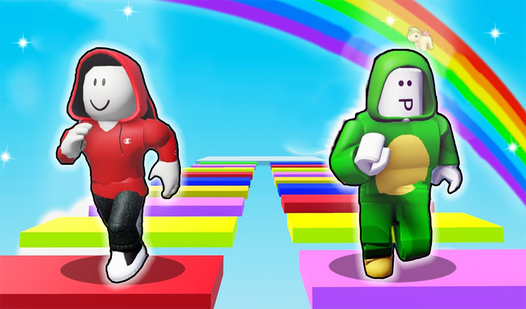
Online mini games is perfect for developing this kind of adaptive thinking. Its portal-based structure sends you through a different game style with each portal — one minute you're solving a puzzle, the next you're in an action sequence. Playing it sharpens your ability to read new games quickly, which is a genuinely useful skill.

Online mini games
Navigate a floating island in the sky where every portal leads to a fresh challenge in these Online mini games. Players sprint to the finish line, dod...
▶ Play FreeStep Four: Fail Fast and Extract Information
Mini games are built around rapid iteration. You're supposed to fail early and often. The rounds are short enough that a loss costs you maybe 30 seconds. Use that deliberately — treat every failed run as a data point. What got you? Where was the timing off? What would you do differently?
Players who improve quickly at mini games aren't typically the ones with natural talent. They're the ones who approach each failure analytically rather than emotionally.
Step Five: Focus Practice on the Hard Sections
Once you can identify the section of a level that's consistently ending your runs, mentally isolate it. Don't think about the whole level — think only about executing that one section correctly. This focused micro-practice is dramatically more effective than just running the level repeatedly with no specific intent.
How to Play Mini Games: Strategies That Hold Up
Beyond the basics, there are a handful of strategic approaches that genuinely change how well you perform — across formats, genres, and difficulty levels.
Anticipate Instead of Reacting
Most mini game challenges come down to timing. And the players who nail timing consistently aren't faster — they're earlier. They see what's coming, predict when the correct action window opens, and act just before it arrives rather than scrambling to react in real-time.
This takes a few runs to develop for any specific game. But once you start thinking ahead rather than responding to what's already on screen, your performance jumps noticeably.
Don't Freeze Up in Multiplayer
Mini games with other players introduce chaos that analysis can't fully account for. If you spend too long calculating the optimal response in a multiplayer mini game, the round ends before you've decided. The game moves fast by design.
The better approach in competitive mini games is to trust pattern recognition over deliberate thought. React, adapt, move on. A wrong fast decision is usually better than a correct slow one.
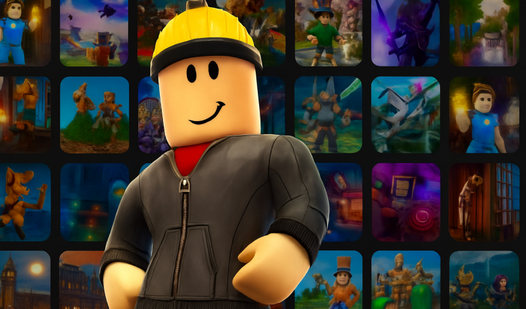
Obby: Mini Games with Friends captures exactly this energy — it's loud, fast, and the most enjoyable sessions happen when everyone commits to playing instead of overthinking. Great for parties and online friend groups alike.

Obby: Mini Games with Friends
Obby: Mini Games with Friends is a must-play for fans of fast-paced platformers who crave endless variety. You will find yourself constantly hooked as...
▶ Play FreeStep Away When You Hit a Wall
Here's something that surprises people: if you've attempted a mini game more than 8-10 times without progress, walking away briefly actually helps. Your brain continues processing patterns passively during the break, and returning with fresh eyes frequently reveals an obvious solution that was invisible before. This works especially well on puzzle-style mini games where progress requires a specific insight rather than just better mechanics.
Build a Rotation of 3-5 Games
Playing the same mini game repeatedly until frustration peaks is one of the least efficient approaches to improving. A better habit is maintaining a small rotation — play one game for a few rounds, switch to another, come back. Different games develop different skills, and the context-switching keeps your brain from developing bad habits specific to a single game's quirks.
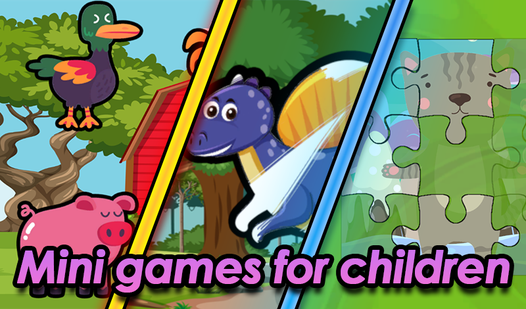
This is especially valuable if you're playing with children. Mini games for children was designed around exactly this principle — 10 distinct mini-games targeting different cognitive areas like memory, logic, and pattern recognition. Rotating through them keeps young players genuinely engaged rather than zoned out.
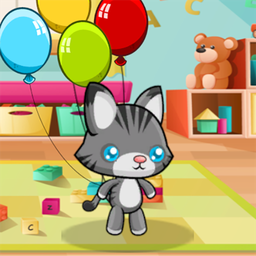
Mini games for children
Mini games for children turns screen time into an educational adventure that sharpens young minds through playful interaction. Sorting colorful toys a...
▶ Play FreeMatch Your Speed to What the Game Actually Rewards
Not every mini game is a speed test. Some score purely on reaction time — going fast is mandatory. Others look like speed games but actually reward precision, where rushing causes errors that slower players avoid entirely.
A practical rule: if the game displays a timer that feeds into your score, speed matters. If it scores completion or accuracy, slow down and be correct. Misidentifying which type you're playing is one of the most common reasons players plateau.
Use the First Run as a Scout
On a completely new mini game, consider dedicating your first attempt entirely to observation rather than winning. Don't try to succeed — try to understand. What mechanics exist? What are the common hazards? Where do things escalate? A deliberate first run of pure reconnaissance often unlocks genuine competence on the second attempt.
Best Free Mini Games Worth Playing Right Now
Theory covered. Here's where to actually spend your time — standout free mini games across different play styles, all available without registration or downloads.
Magical Worlds and Character Adventures
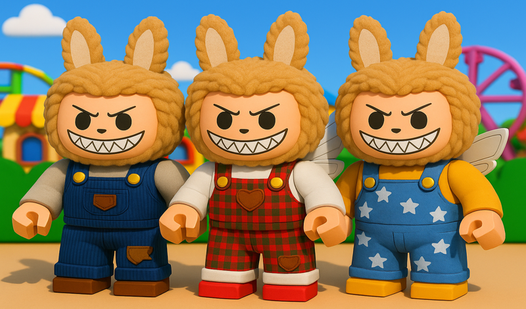
Labubu: Mini Games drops you into a charming amusement park populated by Labubu characters, each area offering a different mini-game challenge. The visual style is genuinely delightful, and the variety keeps sessions from going stale. One of those games where the aesthetic and gameplay reinforce each other perfectly.
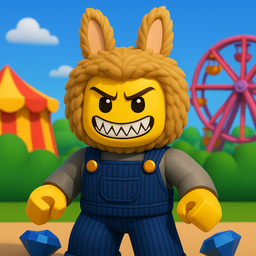
Labubu: Mini Games
Fans of colorful worlds and cute characters will find their new obsession in Labubu: Mini Games. This vibrant collection of challenges brings the misc...
▶ Play FreeHigh-Stakes Competitive Drama
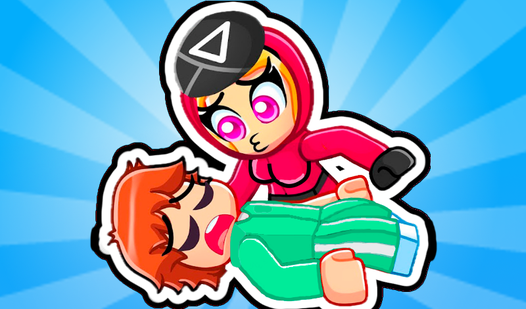
Squid Game: Mini-Games Online translates the show's iconic challenges into browser gameplay. The format maps perfectly onto the mini game structure — each round is tense, the stakes feel real, and the variety of game types keeps things unpredictable. Fans of the show will recognize the challenges; everyone else will find genuinely engaging competitive mini games.
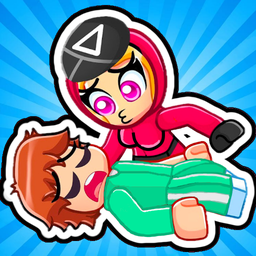
Squid Game: Mini-Games Online
Fans of high-stakes survival challenges will find their new obsession in Squid Game: Mini-Games Online. This fast-paced experience keeps your adrenali...
▶ Play FreeFast-Paced Shooting Action
Mini Shooters strips the shooter genre back to its essentials. Quick rounds, tight controls, competitive play without the overhead of a full multiplayer match. If you enjoy shooting games but your schedule doesn't allow for extended sessions, Mini Shooters delivers the core experience in a fraction of the time.
Case Opening Simulation
Standoff 2 Cases: Simulator is built for players who love the anticipation of opening cases but don't want to spend real money doing it. It captures that specific hit of excitement — the spin, the reveal, the rare drop — as a pure mini game loop. All the thrill, zero financial risk.
Retro Arcade Classics
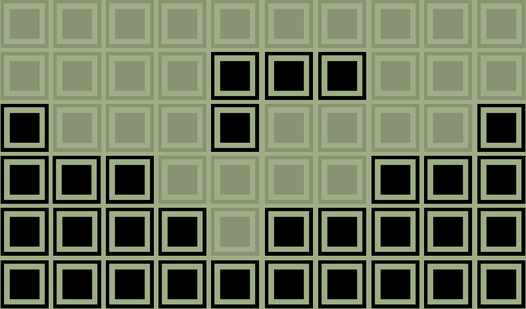
Brick Classic brings back the brick-breaking formula that defined arcade gaming for decades. There's a reason this format has survived every gaming era — the physics are satisfying, the difficulty scales naturally, and the sessions are short enough to fit anywhere. Sometimes the simplest designs are the ones that age best.

Brick Classic
Retro gaming enthusiasts and puzzle fans will find endless joy in the fast-paced challenges of Brick Classic. This iconic title invites you to arrange...
▶ Play FreeWhere to Find Free Mini Games Without the Hassle
Finding good free mini games used to mean sifting through poorly moderated collections full of broken links and predatory monetization. That landscape has improved significantly.
FreeJoy.games hosts a consistently updated catalog of browser-based mini games spanning every genre and play style. Every game loads directly in the browser — no accounts, no installs, no paywalls blocking the actual content. The catalog covers everything from quick solo challenges to multiplayer formats you can share with friends.
The key advantage of browser-based mini game platforms is the barrier to entry being essentially zero. You find something interesting, click it, and you're playing within seconds. If it doesn't click for you, move on to the next option. The low investment per game is exactly what makes mini gaming such an effective way to spend short pockets of free time.
For players still developing their tastes across mini game genres, the best approach is honest experimentation. Spend five minutes on an action game, five on a puzzle format, five on something competitive. Your preferences will reveal themselves quickly — and you'll have a solid rotation built within a single session.