How to Play Merge Games: A Complete Beginner's Guide
If you've ever wondered how to play merge games, you're not alone — they're one of the fastest-growing genres in casual gaming right now. The concept is beautifully simple: drop matching items onto a board, combine two of the same thing to create something bigger, and keep going until you've built something extraordinary. But underneath that simplicity lies a surprising amount of depth, strategy, and satisfying progression that keeps players coming back for hours.
This guide covers everything you need to know — from the very basics of merge mechanics all the way to advanced combo strategies. Whether you want to play merge games online free on your lunch break or spend a serious session climbing the score ladder, you're in the right place.
What Are Merge Games & How Do They Work
Merge games are puzzle or idle games built around one core action: combining two identical items to produce a single, upgraded item. That upgraded item can then be merged again with another copy of itself, creating an even more powerful version — and so on, climbing an evolving chain of transformations.
The genre has roots in number-merging puzzles like 2048, where tiles slide and combine, but modern merge games go far beyond that original formula. Today you'll find merge games that simulate building entire civilizations, growing gardens, managing kitchens, exploring space, and even combining musical characters.
What makes merge games so compelling is the feedback loop. Every successful merge gives you an immediate visual and sonic reward — a satisfying pop, a sparkle animation, a new item appearing. Your board evolves constantly. Progress feels tangible because you can literally see your items transforming into higher-tier versions in real time.
The general loop looks like this:
- You start with low-tier items scattered on a board.
- You drag identical items onto each other to merge them.
- The merged item is one tier higher.
- You generate more low-tier items (by tapping, waiting, or buying) and keep merging upward.
- Reaching the highest-tier item often triggers a reward, unlocks a new chain, or clears the board.
One of the most visually spectacular takes on this comes from physics-based merge games — where instead of a grid, items fall into a container and physically pile up, colliding and settling before merges happen. The most famous version of this style is the "Suika" (watermelon) format.
Stellar Merge is a perfect example of the physics-drop format. Real collision physics determine how your planets settle and which ones touch, which means no two games play out exactly the same. Dropping a large planet into a cluster of smaller ones can trigger satisfying chain reactions you didn't even plan.
Basic Merge Mechanics Explained
To understand the more complex variants of merge games, you first need to master the foundational mechanics. These apply across almost every merge title.
The Merge Chain
Every merge game has a chain — a sequence of items from lowest to highest tier. In a simple game it might go: seed → sprout → flower → bouquet → garden. In a space game it might be: asteroid → moon → small planet → large planet → star. Understanding the full chain before you start playing gives you a strategic advantage because you'll know which merges are "cheap" (low on the chain) and which are rare and worth preserving.
Board Management
Your playing board has a limited number of spaces. This is the central tension of every merge game. If your board fills up with low-tier items you can't merge, you're stuck — it's called a "board lock" and it's the most common way new players lose. Good players always leave intentional gaps and prioritize merges that free up space rather than chasing the highest tier immediately.
Item Generators
Most merge games include generators — items that automatically produce new low-tier pieces over time or when tapped. Managing your generators is key. Having too many generators early means your board floods with unmerged items. Having too few means your board goes empty and you stall out.
Chain Reactions
Some games allow chain merges — where merging two items into a third triggers another merge automatically if an identical third is already adjacent. Spotting and setting up these chain reactions is where merge games start feeling more like chess than casual tapping.

Merge Planets: Suika puzzle
Space enthusiasts and fans of addictive brain teasers will find themselves hooked on Merge Planets: Suika puzzle from the very first drop. This celest...
▶ Play FreeMerge Planets: Suika Puzzle takes these core mechanics and adds orbital gravity to the mix, meaning the way planets drift and cluster before merging follows unique physics rules. It's one of the best examples of how a single mechanic twist can completely change the feel of a genre you thought you understood.
Types of Merge Games — Puzzle, Idle, Battle
How to play merge games depends a lot on which type you're looking at. The genre has branched into several distinct sub-styles, each with its own rhythm and goals.
Puzzle Merge Games
These are usually single-screen, score-based games. You get a fixed arena and a stream of incoming items — your goal is to merge strategically to reach the highest-tier item or accumulate the highest score before the board fills. Physics-drop games like Stellar Merge and Suika-style titles fall here. Sessions are short, skill is high, and replayability is massive.
Idle / Progression Merge Games
These games are designed to be played over days or weeks. You merge items to generate currency, unlock new merge chains, and build up systems that work even while you're offline. The satisfaction here comes from long-term progression rather than skill-based sessions.
Battle Merge Games
In these titles, what you merge directly affects combat. You might merge warriors to send stronger units into battle, or merge weapons and equipment for your hero. The merge phase is the preparation stage; watching your merged army fight is the payoff.
Themed Merge Games
Many merge games are built around a specific aesthetic theme — Christmas, cocktails, vegetables, music — that determines the art style and merge chain, but the underlying mechanics remain familiar. These often attract players who aren't "gamers" by identity but love the theme.
Merge Christmas Toys: New Year's Boom is a great example of the themed approach — the festive visual design and holiday sound effects make it incredibly accessible even for players who've never touched a merge game before, while the merge chain stays satisfying for veterans.
Best Free Merge Games for Beginners
If you want to play merge games free without any install or account required, browser-based games are the perfect starting point. Here are the best picks from our catalog for players just getting started — all free, all unblocked, no download needed.
Start with Physics Drop Games
Physics-based merge games like Stellar Merge are ideal for beginners because the rules are immediately intuitive — items fall, same items touch, they merge. There's no complex UI to learn and no resource management. You just focus on where to drop your next piece.
Try a Themed Game to Build Comfort
If physics games feel too reactive, try a themed grid-based game first. Merge Vegetables: Vegetable Garden 2048 is a great choice because the familiar 2048-style grid means the structure is predictable — you always know where items can go.

Merge Vegetables: Vegetable Garden 2048
Fans of addictive brain teasers will find their new obsession in Merge Vegetables: Vegetable Garden 2048. This colorful title puts your spatial awaren...
▶ Play FreeExperiment with Character-Based Merges
Some of the most fun merge games involve characters rather than objects, because watching your characters evolve feels more personal. Sprunki: Musical Hit Merger takes this further by combining the merge mechanic with music — each Sprunki character you merge adds a new layer to the background track, so your board literally changes what you hear.
Play Cocktail-Themed Merge for a Laid-Back Session
Merge Cocktails: A Hot Party takes a relaxed approach — the merge chain follows cocktail ingredients and finished drinks, the art style is colorful and fun, and the pacing is forgiving enough that you won't feel punished for mistakes. It's ideal for a casual gaming session where you want satisfying progress without high pressure.

Merge Cocktails: A Hot Party!
Combine colorful drinks in Merge Cocktails: A Hot Party! to climb the global leaderboard and show off your matching skills. You control falling glasse...
▶ Play FreeExplore More From Our Grid
Beyond the featured picks above, here are several excellent merge games worth trying as a beginner:
Merge characters from the USSR
Nostalgia meets addictive puzzle mechanics in a refreshing twist on the classic gravity-based matching genre. Merge characters from the USSR forces yo...
▶ Play Free
Merge Mushrooms: Forest Connect 2048
Fans of 2048 puzzles will find their new addiction beneath the canopy of this enchanted woodland. Merge Mushrooms: Forest Connect 2048 challenges you ...
▶ Play Free
Merge the planets of the solar system 2048!
Staring at a blank screen during a midday slump is a recipe for boredom that only a quick cosmic escape can fix. Merge the planets of the solar system...
▶ Play Free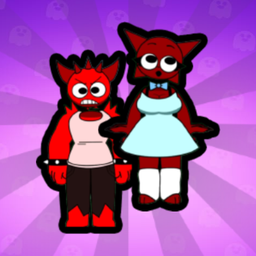
Sprunki: Merge Sprunki Human Mod
Combine quirky characters to evolve your collection into powerful human-like forms in Sprunki: Merge Sprunki Human Mod. This addictive merge game chal...
▶ Play Free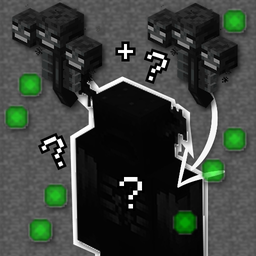
Merge Mobs: Reach the Last One!
Staring at the clock waiting for your shift to end or just need a brain-reset during a boring afternoon? Merge Mobs: Reach the Last One provides the p...
▶ Play FreeAll of these are available as merge games online free unblocked — no VPN, no account, no setup. Just open and play.
Advanced Merge Strategies & Combos
Once you've played a few sessions and understand how to play merge games at a basic level, these strategies will help you push scores higher and avoid the common traps that stall intermediate players.
The Corner Rule
In grid-based merge games, reserve your corners for your highest-tier items. Corners have fewer adjacent spaces, which means high-value pieces stored there are less likely to get buried or accidentally merged before you're ready. This also keeps the center of your board open for active merging.
Staged Merging
Don't rush to merge everything into the next tier immediately. Instead, build up a "stock" of same-tier items — say, three or four at the same level — before merging any of them. When you do merge, you'll have leftover pieces ready to merge again instantly, triggering rapid chain progress that would've taken much longer if you merged one pair at a time.
The Deliberate Bottleneck
Identify which item in the chain is hardest to produce and protect it. If tier-6 items are rare and tier-7 requires two of them, you should only merge your tier-6 items when you already have a second one incoming. Merging the first tier-6 too early leaves you waiting for a replacement while a tier-7 slot sits empty.
Board Resets as Strategy
In physics-drop games, sometimes the best move is intentionally dropping a large piece into an awkward pile to force merges you couldn't directly trigger. This "chaos play" works because the physics engine will resolve collisions in ways a clean grid never would — a large planet crashing into a crowded zone can merge four or five pieces simultaneously.
Combo Timing in Idle Merge Games
Idle merge games often include boost periods — double-production timers, event bonuses, or special items that temporarily increase merge rewards. Saving your largest planned merges for these windows dramatically amplifies your progress. Instead of merging steadily throughout the day, hold your highest-tier pairs and pop them all during a boost event.
Read the Merge Chain Before Playing
This sounds obvious but many players skip it. Before starting a new merge game, spend 60 seconds looking at what the full chain is. How many tiers are there? What produces items? What's the win condition? This map in your head prevents the board-lock mistakes that ruin otherwise good runs.
Managing Generators Strategically
In idle games with multiple generator types, tier your generators by efficiency. Keep your most productive generators near the center of your board where their output is easy to grab. Place generators that produce infrequently toward the edges where they won't clog your active merging zones.
Don't Merge What You Can't Match
A surprisingly common mistake: merging two items into a new tier when you have no other copies of that tier and no way to get one soon. You've now created an orphan item that takes up space and contributes nothing until you happen to generate or receive a matching piece. When the board is tight, an orphan can be the difference between a smooth session and a board lock.