How to Play Medieval: Rules, Strategies & Free Games
So you want to know how to play Medieval games — great choice. Whether you're drawn to castle sieges, sword fights, or managing a kingdom from scratch, medieval-themed games offer some of the richest gameplay experiences out there. This guide breaks down everything you need to know: the core rules, winning strategies, and where to find the best free Medieval games online right now.
Medieval gaming is a broad category. It spans real-time strategy, action combat, tower defense, city builders, and everything in between. What they all share is a historical fantasy setting — knights, castles, archers, blacksmiths, siege engines — and the need for smart decision-making to survive. Once you understand the underlying systems, these games become deeply rewarding.
How to Play Medieval Games: The Core Concept
At their heart, medieval games simulate a world of limited resources and constant conflict. You usually start with something small — a village, a single warrior, a basic forge — and must grow it through smart choices and steady progress.
The fundamental loop looks like this:
Gather → Build → Defend → Expand
This four-step cycle drives almost every medieval game. You gather resources (gold, wood, stone, iron), use them to build structures or upgrade units, defend what you've built against enemies or rival players, and then expand your territory or power. Understanding this cycle is the first key to success.
Different subgenres shift the emphasis. In strategy games, the Build and Expand phases matter most. In combat games, Defend becomes the core challenge. In crafting games like blacksmith simulators, Gather and Build are the main mechanics. But the cycle always exists in some form.
One of the best places to start with medieval crafting gameplay is Weapon Shop: Medieval Blacksmith. Here you manage a forge, craft weapons for adventurers, and grow your shop's reputation — a perfect introduction to resource management in a medieval setting.
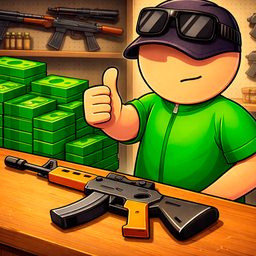
Weapon Shop: Medieval Blacksmith
Forge legendary gear by gathering raw materials and crafting high-quality equipment for eager adventurers in Weapon Shop: Medieval Blacksmith. You spe...
▶ Play FreeBasic Rules Every Medieval Player Should Know
Rules vary by specific game, but certain mechanics appear so consistently across the genre that knowing them gives you a real head start.
Resource scarcity is intentional. You will almost never have enough of everything. Medieval games are designed to force trade-offs. Should you spend gold on better armor or save it to hire more soldiers? Should you build a farm now or a watchtower? There's rarely a perfect answer — the best players make good-enough decisions quickly and adapt when things go wrong.
Turn order and timing matter. In real-time games, acting a few seconds too late can mean a lost battle. In turn-based games, wasting a turn on a suboptimal move compounds over time. Pay attention to timing systems early.
Units have counters. Cavalry beats infantry in open ground. Archers beat cavalry at range. Infantry with shields beats archers in close quarters. This rock-paper-scissors dynamic is core to medieval combat. Before sending your army into battle, look at what you're facing and adjust your composition.
Economy is your foundation. Players who neglect their economy in favor of aggressive early combat usually win fast or lose badly. A strong economic base lets you sustain losses and outlast opponents who burned bright and fast.
Positioning wins fights. High ground, chokepoints, formation choices — these matter enormously. In most medieval combat games, positioning your ranged units behind your melee line and taking elevated positions doubles their effectiveness.
Medieval Arena: Online Battles puts you directly into competitive medieval combat where all these rules come alive. It's one of the cleaner examples of how medieval combat systems work in a live multiplayer environment.
How to Play Medieval Strategy Games
Strategy is where the medieval genre gets deep. Managing a kingdom isn't just about fighting — it's about every decision that happens before the battle starts.
Scout before you attack. Send a small unit ahead to reveal enemy positions before committing your main force. A surprise wall of crossbowmen has ended many confident campaigns.
Control key geography. Rivers, mountain passes, bridges — whoever controls these controls movement. Build defensive structures at chokepoints rather than spreading thin across open terrain.
Tech up at the right speed. Most medieval strategy games have a research or upgrade tree. Going too fast means neglecting your military. Going too slow means falling behind opponents who upgraded while you were still using basic units. A common rule of thumb: hit the first upgrade tier before your first major expansion, then alternate between military and economic upgrades.
Diversify your army composition. An army of only one unit type is easy to counter. Mix infantry, ranged units, and cavalry. If the game allows heroes or special units, use them — but don't over-rely on them. A good general wins with the average soldier.
Always keep a reserve. Whether it's gold, units, or abilities — never spend everything. Medieval games have a way of throwing unexpected problems at the worst moment. The player with 20% reserves left usually survives. The player at zero doesn't.
Medieval Battle: Warriors captures this strategic depth beautifully, letting you build and manage your forces across challenging battlefield scenarios where these principles are tested constantly.
How to Play Medieval Combat Games
Combat-focused medieval games require a different set of instincts. Here you're often controlling individual characters or small squads in direct engagement.
Learn the attack patterns. Most medieval combat games have enemies with telegraph animations before their big attacks. Learn these signals early. An enemy who raises their shield is about to block. One who winds back their sword is about to swing. Reacting to these cues instead of button-mashing is what separates beginners from good players.
Stamina management is survival. Many medieval action games use a stamina system. Running, attacking, and blocking all drain it. A player with no stamina is a sitting target. Don't burn all your stamina on offense — leave enough to dodge or block the counterattack.
Parry is overpowered when mastered. In games that feature parrying, landing a perfect parry usually stuns the enemy, opens them to a free attack, and deals no damage to you. It's high risk, high reward. Practice it in easier encounters before relying on it in boss fights.
Control range and spacing. Swords have different effective ranges. Being too far means your attack misses. Being too close means the enemy can grapple or stab. Find the optimal distance for your weapon type and maintain it.
Use the environment. Knock enemies off ledges, fight in doorways to negate their numbers advantage, use pillars for cover from archers. Medieval combat games reward players who think about space.
War The Knights: Battle Arena Swords 3D is exactly the kind of game where these combat principles get tested in real-time 3D combat with satisfying sword mechanics.
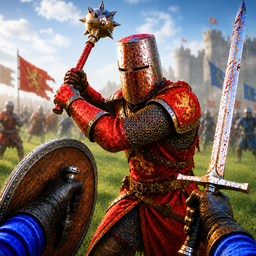
War The Knights: Battle Arena Swords 3D
Swing your blade and claim dominance as you charge into intense medieval combat. War The Knights: Battle Arena Swords 3D forces you to master precisio...
▶ Play FreeAdvanced Medieval Strategies
Once you have the basics down, these advanced approaches separate good players from great ones.
Economic aggression. The best medieval strategy players often win not by having the biggest army, but by having the fastest-growing economy that can sustain military pressure longer than the opponent. Raid enemy supply lines. Destroy their farms and lumber mills. Force them to spend on rebuilding instead of attacking.
False retreats. Pull a small force back as if retreating, luring the enemy into unfavorable terrain, then turn and fight with your main force waiting in position. This classic tactic, used in real medieval warfare, works in games too.
Siege warfare timing. Castles are hard to crack. Starving them out takes time. The sweet spot is timing your siege assault for when the enemy's garrison is at minimum strength — right after they've sent reinforcements elsewhere, or when a sortie has depleted their defenders.
Hero focus in RPG-adjacent games. When a game has hero characters, leveling them efficiently matters. Focus on abilities that scale well late-game rather than early-game power spikes. A hero that's strong at level 5 but mediocre at level 20 is a poor long-term investment.
Information warfare. Keep your own movements unpredictable. Attack from multiple directions simultaneously. Don't let opponents know your strategy until it's too late to counter it.
Alliance management. In multiplayer medieval games, early alliances are survival tools. But alliances need to evolve — a partner who's now stronger than you becomes a threat. Know when to renegotiate terms or shift alignments.
These strategies apply across the genre, and games like Army Evolution: Merge & Tactics — where you combine units and plan battle formations — are perfect for practicing the decision-making behind them.
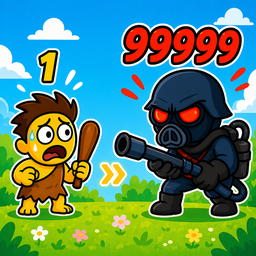
Army Evolution: Merge & Tactics
History comes alive on the battlefield as you command forces ranging from ancient knights to high-tech robots in Army Evolution: Merge & Tactics. Mast...
▶ Play FreeThe Best Free Medieval Games Online
You don't need to spend anything to experience excellent medieval gameplay. Here are the top picks available right now on FreeJoy.
KnightBit: Return of the Knights brings classic medieval adventure in a charming pixelated package. It's an excellent starting point for players new to the genre — accessible enough to learn from, deep enough to stay engaging.
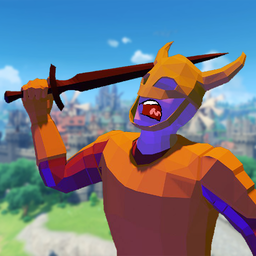
KnightBit: Return of the knights
Capture flags and outscore the opposition in KnightBit: Return of the knights to prove your dominance on the battlefield. You control a valiant warrio...
▶ Play FreeBattle of Knights: Robby and Dragons combines medieval combat with dragon-slaying action in a colorful, fast-paced format. Great for players who want action over deep strategy.
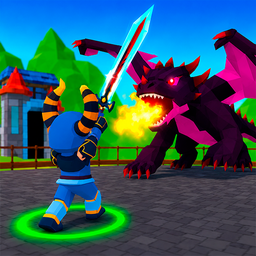
Battle of Knights: Robby and Dragons
Fans of the classic roblox aesthetic will find their new favorite obsession in Battle of Knights: Robby and Dragons. This sandbox adventure challenges...
▶ Play FreeRaid Heroes Total War is a more ambitious title with squad-based tactics, hero progression, and large-scale battles. If you enjoy the strategic layer of medieval gaming, this one delivers it in spades.
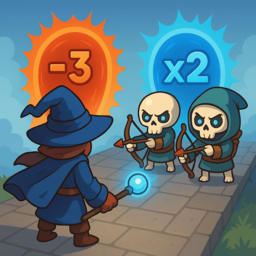
Raid Heroes Total War
Command your elite squad of warriors to defend the kingdom from the encroaching forces of the Dark Lord. Raid Heroes Total War forces you to carefully...
▶ Play FreeArchers Heroes: Castle War focuses specifically on the archer and siege defense aspects of medieval warfare. You'll manage waves of attackers while upgrading your archers and castle defenses — a satisfying loop for tower defense fans.
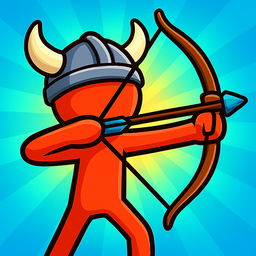
Archers Heroes: Castle War
Tactical strategy fans and archery enthusiasts will find endless excitement in Archers Heroes: Castle War as they defend their territory against waves...
▶ Play FreeRupture: Immortal Slasher takes the medieval fantasy setting in a darker, more action-oriented direction. Pure combat, smooth mechanics, and satisfying progression make it an ideal pick when you want something intense and immediate.
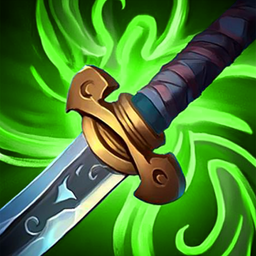
Rupture: Immortal Slasher
Staring at the clock waiting for your shift to end or just need a sharp burst of adrenaline during your coffee break? Rupture: Immortal Slasher is the...
▶ Play FreeCommon Mistakes New Players Make
Even experienced players make these errors when starting a new medieval game — knowing them in advance saves a lot of frustration.
Neglecting defenses while attacking. Going all-in on offense feels strong early but leaves your base or units exposed. Always maintain defensive capability.
Upgrading randomly. Most medieval games have upgrade trees that interconnect. Randomly upgrading whatever is available leads to a mediocre army. Have a plan for your tech path before you start spending.
Ignoring the tutorial. Medieval games often have unique mechanics specific to that title — special resource systems, morale meters, terrain modifiers. Skipping the tutorial means missing these nuances and learning them the hard way in a losing battle.
Overextending supply lines. In strategy games, capturing territory far from your base means long supply lines that are easy to cut. Consolidate before expanding.
Fighting every battle. Sometimes the right move is not to fight. Retreating to regroup, waiting for better conditions, or negotiating a temporary peace can be stronger than engaging every conflict.
Underestimating morale systems. Many medieval games include a unit morale mechanic. Units with low morale fight poorly and may rout entirely. Keeping your army confident — through victories, good supplies, and strong leadership — is as important as their raw stats.
Playing Medieval Games on Mobile vs. Browser
Most medieval games on FreeJoy run directly in your browser, no download or installation needed. This makes them immediately accessible, but there are some minor differences in how they play.
Browser-based medieval games tend to have simpler control schemes — mouse clicks and keyboard shortcuts rather than complex controller inputs. This actually makes them ideal for learning the genre because the interface doesn't get in the way of the strategy.
On mobile, tap controls replace mouse clicks. The core gameplay is identical, but precision is slightly lower. For combat-heavy games, browser play often feels more precise. For strategy and management games, both platforms work equally well.
All ten games featured in this article are playable free in your browser on FreeJoy — no accounts, no downloads, no waiting.
Why Medieval Games Stay Popular
There's something timeless about the medieval setting. The stakes feel immediate and understandable: protect the castle, defeat the enemy knight, build a forge and arm the village. There's no sci-fi abstraction — just steel, stone, and strategy.
Medieval games also have a great skill ceiling. The basics are easy to grasp — build things, fight enemies — but mastery requires reading opponents, managing complex systems, and adapting to unexpected situations. That combination of accessibility and depth keeps players coming back.
The genre also benefits from enormous variety. You can spend one session crafting swords in a medieval blacksmith shop, the next commanding armies in a siege, and the next fighting one-on-one as a knight in an arena. The setting stays consistent while the gameplay changes completely.
Getting Started Today
The fastest way to understand how to play Medieval games is just to play one. Pick the format that sounds most appealing — crafting, combat, or strategy — and jump in. Each game in this list is free, browser-based, and ready to go right now.
Start simple. Weapon Shop: Medieval Blacksmith teaches resource and crafting mechanics with a low-pressure setting. Medieval Arena: Online Battles teaches combat fundamentals fast through direct competition. Medieval Battle: Warriors gives you the strategic overview. From there, the rest of the genre opens up naturally.
The medieval world is waiting.