How to Play Magic: Rules, Tips & Free Online Games
Magic games have captured players' imaginations for decades — and if you're trying to figure out how to play Magic for the first time, you've picked a great genre to explore. From elemental strategy and spell-casting to magical puzzles and merging mechanics, magic games offer something for almost every type of player. This guide walks you through the core rules, proven strategies, and the best free magic games you can play right now — no downloads, no registration needed.
What Is a Magic Game?
Ask ten different gamers what a "magic game" is and you'll get ten different answers. That's because the term covers a genuinely wide range of experiences. Trading card games with spell mechanics. Action RPGs where you wield fire and lightning. Casual merge puzzles where you combine magical creatures. Sorting games with enchanted artifacts. Even tycoon games built around magical businesses.
What all these games share is a core feeling: you're doing something special. You're not just moving tiles or clicking buttons — you're casting spells, summoning allies, managing mystical resources, or commanding the forces of nature. That sense of wielding something extraordinary is baked into the genre's DNA, and it's why magic games remain consistently popular across all platforms.
Magic games also tend to reward the same set of skills regardless of their specific genre: pattern recognition, resource management, strategic planning, and the ability to adapt when things go sideways. Once you understand these fundamentals, picking up any new magic game becomes much faster and more intuitive.
A perfect entry point into the genre is Magical Cats — a game that combines the satisfying mechanics of merging with a delightfully magical theme. You combine cats to create increasingly powerful magic hero cats, building up your roster through clever combinations and strategic merging decisions.

Magical Cats
Staring at a blank screen during a midday slump is the worst, but a quick dose of feline charm is exactly what you need to recharge. Magical Cats turn...
▶ Play FreeHow to Play Magic: Core Rules and Mechanics
Every magic game has its own specific rules and interface, but several mechanics appear again and again across the genre. Learn these, and you'll adapt to almost any magic title much faster.
Resource Management
Resources — mana, energy, magic dust, crystals, stars, whatever the game decides to call them — are almost always the central constraint in a magic game. Your spells, abilities, or actions cost resources, and you have a limited supply at any given moment.
New players almost universally make the same mistake: they spend everything immediately. It feels great to cast your most powerful spell on the very first enemy. And then you're completely dry when the boss walks in. Experienced players know that restraint wins games. Use smaller, cheaper abilities early to build advantages. Save your heavy hitters for critical moments. Always keep something in reserve.
The other side of resource management is income — figuring out how to generate more resources over time. Many magic games give you ways to accelerate your resource regeneration, and investing in those systems early often pays off far more than spending on raw attack power.
Elemental Systems
One of the most common strategic frameworks in magic games is the elemental wheel. Fire beats ice, water beats fire, lightning beats earth, and so on. The specific relationships vary from game to game, but the principle is universal: elements have strengths and weaknesses, and exploiting them is the fastest path to winning.
When you first encounter an elemental system, take a moment to map it out. Which element counters which? What are your opponent's likely elements? What do you have available? Players who internalize the elemental chart stop reacting randomly and start countering deliberately — and that shift dramatically changes their win rate.
Magic Master: Element War is built around exactly this concept. In this FPS-style game, you choose elemental powers — fire, water, and more — to eliminate enemies. Pick the right element for the situation and enemies crumble; pick wrong and you're wasting everything.

Magic Master: Element War
Staring at a blank screen during a coffee break is the worst, but finding an instant thrill is easier than you think. Magic Master: Element War turns ...
▶ Play FreeTurn Order and Timing
In turn-based magic games, the sequence of your actions often matters as much as which actions you take. Applying a debuff before a heavy attack amplifies the damage. Healing right before your opponent's power turn keeps you alive to fight back. Setting up buffs in the right order can double or triple your effectiveness.
Real-time magic games compress this decision-making. You have to build muscle memory for optimal action sequences and make good choices under pressure. Both styles reward practice — they just test different dimensions of the same underlying skills.
Win Conditions
This sounds obvious, but a surprising number of players lose because they forgot what they were actually trying to do. Clear the board? Deplete the boss's health? Reach a score threshold? Collect a certain number of magical items?
Keeping your win condition in focus changes every decision you make. When you know exactly what you need to achieve, you stop wasting actions on things that feel good but don't advance your goal. Every spell you cast, every resource you spend, every position you take should be evaluated against whether it gets you closer to winning.
Magic Strategies That Actually Work
Rules get you started. Strategy is what gets you winning consistently.
Build Around Synergies
The most satisfying and powerful plays in any magic game come from synergies — combinations of abilities, items, or elements that work together to produce results greater than either could achieve alone. When you discover a synergy that works, commit to it. Build your entire approach around making it as consistent and powerful as possible.
Finding synergies requires experimentation and curiosity. Try unusual combinations. Pay attention to which interactions produce unexpected results. Read ability descriptions carefully — sometimes a mechanic that seems minor becomes the cornerstone of a devastating combo.
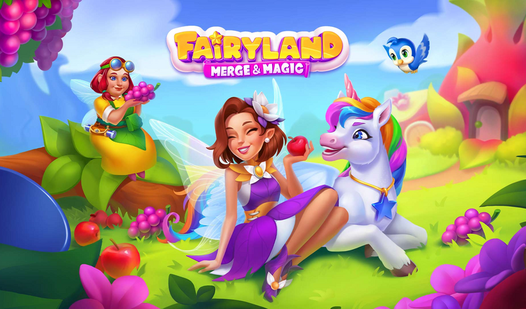
Fairyland Merge & Magic is a beautiful game for experiencing synergy in action. On a magical merge island filled with fairytale elements, you discover which combinations of items and magical elements complement each other. Building those synergistic chains is the heart of the gameplay, and the satisfaction when they click into place is real.

Fairyland Merge & Magic
Fans of whimsical puzzle adventures will find their new obsession in Fairyland Merge & Magic as they restore a vibrant enchanted realm. This captivati...
▶ Play FreePatience Over Aggression
New players almost always play too aggressively. They burn their best resources early, commit their powerful spells before setting up properly, and get caught without options when they need them most. The more patient player wins far more often.
Patience doesn't mean passivity. You should still be building up your position — accumulating resources, developing your board state, setting up your strategy. But holding back your finishing moves until the moment is right is almost always stronger than going all in at the first opportunity.
Adapt When Things Go Wrong
The plan you started with won't survive contact with the game for long. Your opponent will surprise you. The board state will shift. Your resource pool will be lower than expected. A strategy that looked perfect five turns ago no longer applies.
Good players don't rigidly stick to the plan — they read the situation and adjust. Is your opponent low on resources? Press the advantage. Are you behind on board development? Switch to defense and buy time. Did your primary strategy fall apart? Find the secondary line that still gives you a path to winning. Adaptability is what separates consistent winners from one-trick players.
Train Pattern Recognition With Simpler Games
Before tackling the hardest content in a magic game, spend time in easier modes training your pattern recognition. The ability to quickly read a board state, identify threats, and spot opportunities is a skill — and it develops through repetition.
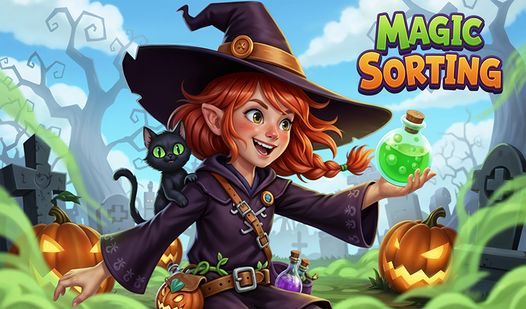
Magic Sorting is an excellent game for building exactly this skill. You sort magical items into their correct categories, which trains the quick classification and spatial reasoning that pays dividends in more complex magic titles. It's relaxed, satisfying, and genuinely useful practice.

Magic Sorting
Sorting mystical clutter feels surprisingly satisfying when you realize everything in the wizarding world has its perfect place. Magic Sorting transfo...
▶ Play FreeWatch Other Players
One of the fastest ways to improve at any magic game is to watch someone better than you play it. You'll see options you never considered, discover strategies you didn't know existed, and notice mistakes you've been making without realizing it. Most competitive magic games have active communities creating content — a few hours of watching experienced players can compress weeks of solo learning.
The Best Free Magic Games to Play Right Now
FreeJoy has a strong lineup of magic games across multiple genres, all completely free with no registration required. Here's what to play.
Magic Ragdoll — Chaotic Magical Combat
For players who want magic combined with action and unpredictable physics, Magic Ragdoll delivers something genuinely different. You control a ragdoll character with magical abilities and battle through encounters where the physics engine makes every fight feel unique. The combination of skill-based magic and wild ragdoll physics creates moments that are hard to predict and even harder to stop playing.

Magic ragdoll
Staring at a blank screen while waiting for a meeting to end is the ultimate productivity killer. Magic ragdoll turns those idle minutes into an inten...
▶ Play FreeMore Great Magic Games on FreeJoy
The magic library on FreeJoy goes deep. Here's a look at more titles worth your time:
Magic Pot puts you in charge of a magical cauldron, mixing mystical ingredients and crafting potions. It's creative and relaxing with a charming visual style — great for players who want a more laid-back magical experience.

Magic Pot
Fans of whimsical alchemy games will fall in love with the creative chaos found in Magic Pot. This quirky bartender simulator challenges you to mix bi...
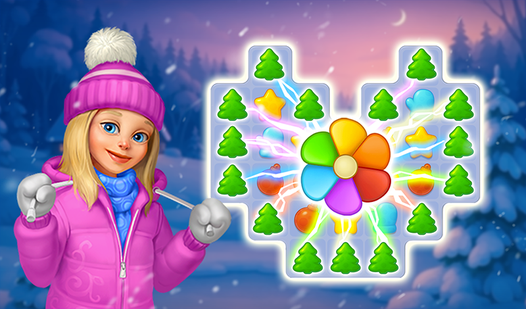
▶ Play FreeMagic Christmas Tree Match-3 blends holiday spirit with magical match-3 mechanics. You swap and match enchanted ornaments and decorations to build an extraordinary Christmas tree. Perfect for festive gaming sessions or anyone who loves the classic match-3 format with a magical twist.

Magic Christmas Tree Match-3
Holiday spirits soar when the season of giving meets the addictive satisfaction of a classic puzzle challenge. Magic Christmas Tree Match-3 transforms...
▶ Play FreeRobbie: The Magic Tycoon combines magic with management strategy. You build and grow a magical enterprise, balancing resources and making decisions that shape your enchanted business. It's a smart blend of two beloved genres.

Robbie: The Magic Tycoon
Craft powerful potions and manage a bustling factory in Robbie: The Magic Tycoon to become the ultimate spellcaster. You will gather resources, expand...
▶ Play FreeMahjong - Magic Runes takes the classic mahjong tile-matching format and wraps it in a mystical rune aesthetic. The thoughtful, puzzle-solving pace of mahjong works beautifully with the magical theme — ideal for players who want strategy without the time pressure.

Mahjong - Magic Runes
Ancient board games have a unique way of sharpening the mind while providing a relaxing escape from the daily grind. Mahjong - Magic Runes elevates th...
▶ Play FreeConnect the 2048 Magic Balls! fuses the number-merging compulsion of 2048 with magical glowing orbs. You connect matching numbered balls to create larger and more powerful ones — the kind of simple-to-learn, hard-to-master design that makes it genuinely difficult to stop after just one round.
Connect the 2048 Magic Balls!
Fans of addictive puzzle challenges will love the fast-paced strategy found in Connect the 2048 Magic Balls. This vibrant experience requires quick th...
▶ Play FreeGetting Started: A Practical First Session
If you're new to magic games and want a practical starting point, here's a simple approach for your first session:
Start with one game. Pick a single title from the list above and spend your first hour just learning its specific mechanics. Don't jump between games — depth beats breadth when you're building fundamentals.
Play the tutorial completely. Most players rush through tutorials or skip them entirely. Don't. Tutorials are built to teach you the mechanics that will matter most, and missing them means missing your foundation. Even if a tutorial feels slow, finish it.
Lose on purpose. In your first few sessions, try things that probably won't work. Cast all your resources at once and see what happens. Try unusual elemental combinations. Test the edges of what's possible. Controlled experiments early on teach you more than cautious, conservative play.
Observe before you optimize. Before you try to play perfectly, try to understand the game's logic. Why did that strategy fail? What happened when you tried that combination? What patterns emerge as you play? Understanding comes before optimization.
Track your improvement. Magic games reward long-term learning. Keep a rough mental note of what strategies worked, what didn't, and what you want to try next time. Players who reflect between sessions improve much faster than those who just grind without thinking.
Why Magic Games Are Worth Your Time
Magic games occupy a unique space in the gaming landscape. They're imaginative — you're playing in worlds where anything is possible. They're strategic — there's always another layer of optimization to find, another synergy to discover. And they're varied enough that whether you're looking for a quick five-minute puzzle or a deep strategic challenge, there's a magic game that fits.
The genre also rewards intelligence and thoughtfulness over pure reflexes. While some magic games do require fast decision-making, most give you enough time to reason through your options and make deliberate choices. That makes them accessible to a wide range of players — from kids developing their first strategic instincts to adults who want a proper mental workout.
And with FreeJoy's library of free magic games, the barrier to entry is essentially zero. No setup, no subscription, no credit card. You find a game that looks interesting, click, and start playing.