How to Play House Games Online — Beginner's Guide
House games are one of the most relaxing and creative categories you'll find in browser gaming. Whether you want to stack blocks sky-high, run a cozy animal café, or flip a rundown mansion into a dream home, knowing how to play House games properly makes the whole experience way more satisfying. This guide covers everything — from your first click to advanced strategies — so you can jump in with confidence and actually enjoy what you're building.
Getting Started with House Games
The first thing to understand about how to play House games online is that "house games" is a pretty broad category. It covers building simulators, decoration puzzles, cleaning games, construction platformers, and even tower-stacking challenges. What they all share is a central focus on a home — building it, maintaining it, decorating it, or just having fun inside it.
You don't need any special software or accounts to get started. These games run directly in your browser, which means you can open one up at school, at work, or anywhere you have an internet connection — no installs, no setup. House games unblocked versions are widely available, so firewall restrictions rarely get in the way.
Here's what a typical first session looks like:
- Pick a game type — Do you want to build from scratch, decorate an existing space, or play something more action-oriented like defending your house from zombies?
- Read the tutorial — Most house games open with a short tutorial. Don't skip it. Even simple-looking games have mechanics that aren't obvious at first.
- Start small — Don't try to do everything at once. In building games, place a few pieces and see how they interact. In decoration games, focus on one room before moving to the next.
- Experiment freely — Most browser house games let you undo actions or restart levels without penalty. Use that freedom.
One of the best games to start with if you want a pure construction challenge is Sky-High House. The concept is dead simple: place blocks to build a tower as high as possible without it collapsing. But simple concept doesn't mean easy — the physics engine is unforgiving, and you'll need to think about balance with every single piece you place.
Sky-High House
Casual gamers who love testing their precision will find Sky-High House incredibly addictive as they aim for the clouds. This tower building challenge...
▶ Play FreeSky-High House teaches you something that applies across all house games: stability matters more than speed. Rushing to place the next block without thinking about weight distribution will bring the whole thing crashing down. This patience-first mindset carries over into every other house game genre.
Building Mechanics — How to Construct Your Home
Building is the core mechanic of many house games, and it's where most beginners hit a wall. The controls seem simple — click, drag, place — but there's usually more depth underneath.
Grid-based building is the most common system. You're working on an invisible grid, and pieces snap into place. The challenge comes from planning ahead: which piece goes where, and what connects to what? Games like Obby Parkour: Build a House and Run use this mechanic inside a platformer format, where you build structures and then immediately run through them.
Physics-based building is harder and more satisfying. Every block has actual weight, and your structure can topple if you don't balance it right. Sky-High House (which you already saw above) uses this system. Tip: when working with physics-based building, always start with a wide foundation. A narrow base might look cool but it makes the upper floors unstable.
Blueprint building is the most guided style. The game shows you what the finished structure should look like, and your job is to replicate it by placing the correct pieces in the correct spots. This is less about creativity and more about problem-solving — matching shapes, reading spatial relationships, and working methodically from bottom to top.
General building tips that work across all styles:
- Symmetry helps — Even if it's not required, keeping your structure symmetrical tends to make it more stable and more visually appealing.
- Think vertically — New players tend to spread out horizontally. More experienced players build upward. Height usually equals more points or more space.
- Use the undo button — Seriously. Every time. Don't be too proud to take back a bad placement.
- Watch for load-bearing elements — Some games have walls or pillars that support the rest of the structure. Remove them by accident and the whole thing falls apart.
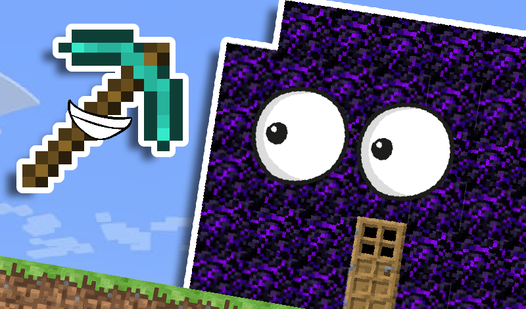
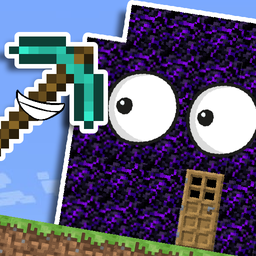
If you want to experience building in a completely different flavor — destructive rather than constructive — Break Houses - Mine MOD! is worth a try. You're not building anything here; you're smashing existing houses apart, collecting in-game currency from the destruction, and upgrading your tools to break things faster. It's oddly satisfying and helps you understand house structure from the inside out.
Break Houses - Mine MOD!
Smashing buildings to pieces has never felt more satisfying than in Break Houses - Mine MOD!. You wield a powerful pickaxe to demolish structures bloc...
▶ Play FreeDecoration and Design Tips
Once the walls are up, the real fun starts: making the place look good. Decoration games are their own subgenre within house games, and they attract a completely different type of player. You don't need great reflexes or deep strategy — you need an eye for color, proportion, and style.
Color coordination is the single most impactful skill. A room with matching colors looks intentional even if the furniture is simple. Most decoration games give you a palette — stick to two or three dominant colors and use accent pieces sparingly.
Furniture scale matters more than most beginners realize. A huge sofa in a tiny room looks wrong even if you love the sofa. Always think about whether a piece fits the space before you place it.
Lighting placement — if the game includes it — can completely transform a room. Light sources near walls create depth. A central overhead light is the most boring option. Where possible, use side lighting or lamps at different heights.
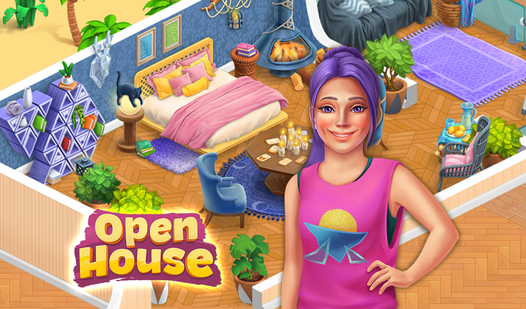
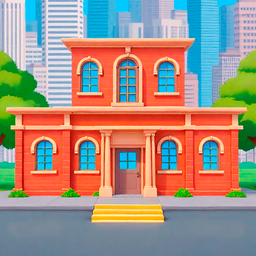
Open House is a fantastic game to practice decoration instincts. You're transforming an old, run-down mansion into something beautiful, working through room after room as the property evolves. The before-and-after contrast is genuinely satisfying.
Open House
Restore a dusty manor to its former glory by solving colorful tile puzzles that test your logic and speed. You will help Oscar transform his inherited...
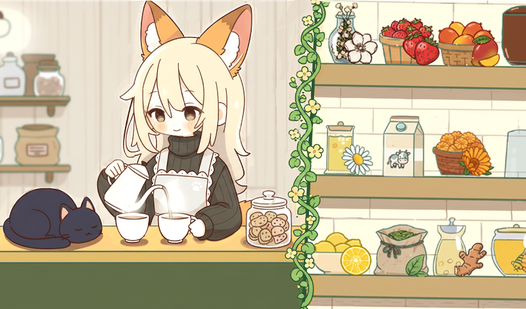
▶ Play FreeFor something cozier and more character-driven, Kiki's Tea House: Animal Cafe puts you in the role of a tea master running a café for adorable animals. The decoration here is more about functionality than pure aesthetics — you need to arrange your café so that customers can move through it comfortably while still making it feel warm and inviting.

Kiki's Tea House: Animal Cafe
Mix exotic ingredients and master complex recipes to serve thirsty forest dwellers in Kiki's Tea House: Animal Cafe. Managing a bustling forest shop r...
▶ Play FreeA quick decoration checklist for any house game:
- Is there a clear focal point in the room? (A fireplace, a window, a statement piece of furniture)
- Do the colors match or intentionally contrast?
- Is there enough empty space? (Cluttered rooms look messy, even in games)
- Are the proportions right? (Furniture appropriate to the room size)
- Does the room serve its stated purpose? (A bedroom should feel restful, a kitchen should feel functional)
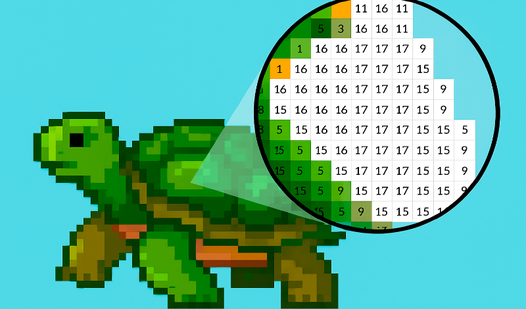
If you want pure decoration practice without the pressure of managing a whole house, try Coloring by Numbers: Pixel House. It's a pixel-art coloring game with house themes — calming, low-stakes, and great for training your color sense.
Coloring by Numbers. Pixel House
Fill empty pixel grids with vibrant shades by matching numbers to unlock stunning architectural masterpieces. Coloring by Numbers. Pixel House turns e...
▶ Play FreeResource Management in House Games
Most house games aren't just about creativity — they're also about managing limited resources. This is where a lot of beginners stumble. You're so focused on what you want to build or decorate that you run out of money, materials, or time before you finish.
Budget management is the most common resource challenge. In games where you're buying furniture or materials, it's tempting to spend everything on the first room you encounter. Don't. Always keep a reserve. You will always find something later that you didn't expect to need.
Material efficiency matters in building games. If you're placing blocks or tiles, wasted pieces early on can leave you short at a crucial moment. Plan your layout before you start placing anything, especially in games with limited material counts.
Time management applies to games where levels have a timer or where customer satisfaction degrades over time (common in café-style games). In Kiki's Tea House, for example, you need to serve customers quickly — hesitate too long and they'll leave unhappy. Positioning matters: keep your most popular items close to where customers tend to sit.
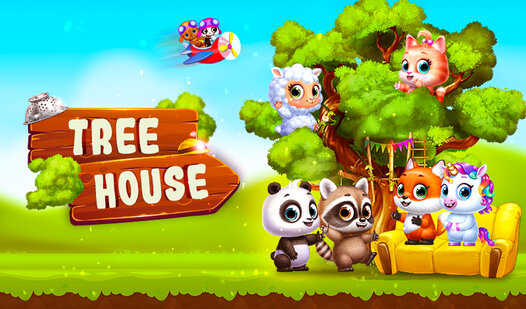
Tree House is a great example of resource-balanced building. You're constructing a cozy home for small animals, which means managing space efficiently so that everyone fits and has what they need. The animals have preferences, and meeting those preferences while staying within the available materials is the core challenge.

Tree House
Building a custom sanctuary high above the forest floor taps into a primal desire for cozy, imaginative shelter. Tree House transforms this dream into...
▶ Play FreeProgression systems are worth understanding too. Many house games let you earn in-game currency that unlocks better materials, furniture, or abilities. The temptation is to upgrade everything evenly, but specializing — putting resources into one area that you're good at — usually produces better results faster.
Resource tips that apply broadly:
- Always complete bonus objectives — They usually give the best rewards relative to the effort required.
- Don't repair, upgrade — When given the choice between fixing something broken and upgrading it, upgrading is almost always better value.
- Sell or discard unused items — In games with inventory limits, hoarding wastes space. If you haven't used something in five levels, you probably won't.
- Watch the tutorial rewards — Tutorial missions often reward you generously to get you started. Complete every tutorial step even if you don't need the guidance.
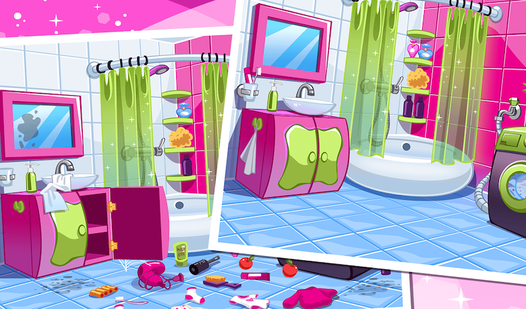
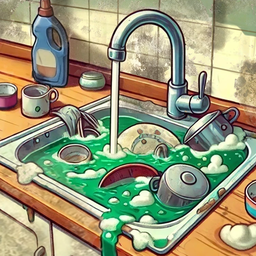
House Cleaning - Put Everything In Its Place is a game that tests resource thinking in an unusual way. You're restoring order to a messy house by putting items back where they belong, and the challenge is figuring out efficient routes through the rooms so you're not backtracking constantly.
House Cleaning - Put Everything In Its Place
Maintaining a tidy living space is a surprisingly satisfying challenge that turns domestic chores into a relaxing virtual puzzle. House Cleaning - Put...
▶ Play FreeBest House Games for Beginners
With so many house games available, it helps to know which ones are genuinely beginner-friendly versus which ones are going to frustrate you on day one. Here's a practical breakdown.
Best for pure construction: Sky-High House. The mechanics are explained clearly, the learning curve is gradual, and each failed attempt teaches you something concrete about balance and physics.
Best for creative decoration: Open House. The game gives you enough guidance that you're never lost, but enough freedom that your choices actually matter. Seeing the mansion transform is genuinely rewarding.
Best for a cozy, low-pressure experience: Kiki's Tea House: Animal Cafe. The difficulty ramps up gently, the characters are charming, and the satisfaction of a well-run tea service is immediate and clear.
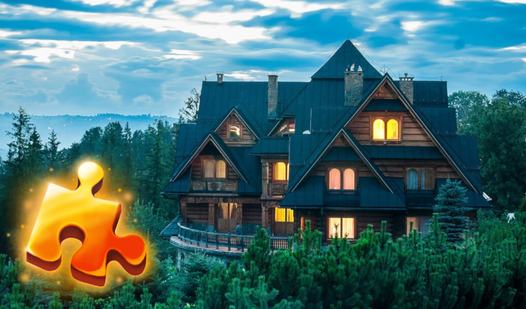
Best for puzzle lovers: Houses Jigsaw Puzzle takes house-themed images and turns them into satisfying jigsaws. No time pressure, no resources to manage — just the quiet pleasure of fitting pieces together.
Houses Jigsaw Puzzle
Jigsaw puzzles remain one of the most effective ways to sharpen your focus and reduce daily stress through quiet, methodical organization. Houses Jigs...
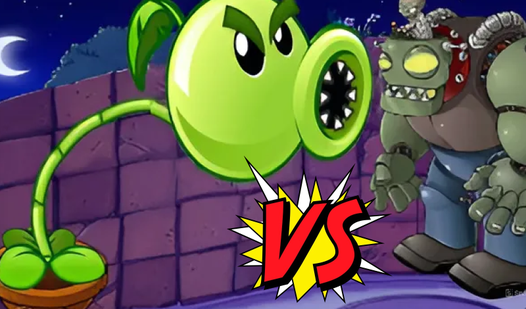
▶ Play FreeBest for action fans: Plants vs Zombies: Night Defense of the House brings the house theme to a tower-defense format. You're protecting your house from zombie waves, which means strategic thinking, resource allocation under pressure, and quick decision-making. It's more intense than the other games on this list, but still accessible for beginners.
Plants vs zombies. Night defense of the house
Staring at the screen during a dull afternoon, you probably need a quick escape that packs a serious punch. Plants vs zombies. Night defense of the ho...
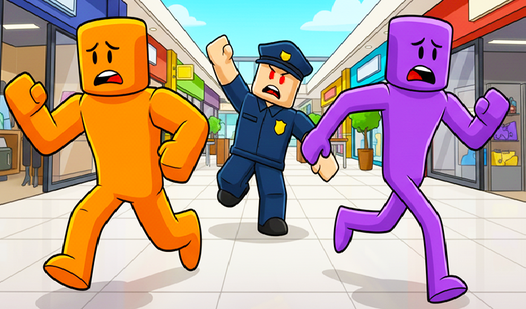
▶ Play FreeBest for multiplayer fun: Stealth Robbery of a House Together is a cooperative game where you and a friend plan and execute a house heist. The "together" part is key — communication and coordination matter as much as individual skill. Great if you have someone to play with.
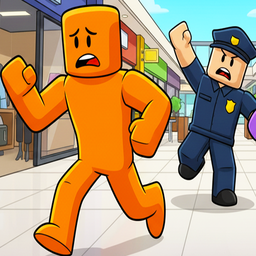
Stealth robbery of a house together
Staring at a blank screen during a lunch break or stuck in a tedious afternoon slump is the worst way to waste time. Stealth robbery of a house togeth...
▶ Play FreeA few signs that a house game is beginner-friendly:
- It has a tutorial that lasts at least the first 2-3 levels
- The first few levels have low or no time pressure
- You can undo mistakes without restarting the entire level
- The objectives are clearly stated before the level begins
- The UI clearly shows what resources you have and what you need
Signs a house game will have a steeper learning curve:
- Multiple resource types to manage simultaneously
- Time limits on the very first level
- No undo function
- Objectives that reveal themselves mid-level
- A progression system that requires grinding early levels for resources
That's not to say harder games aren't worth playing — just that they reward persistence more than instant enjoyment. Start with the beginner-friendly ones, build your instincts, then move on to the more complex stuff.