How to Play Fashion Games: Rules & Strategies
If you've ever wondered how to play Fashion games properly — not just clicking through outfits randomly but actually developing a sense for style, scoring systems, and smart choices — you're in the right place. Fashion games are one of the most creative and expressive genres in online gaming. They go far beyond simple dress-up; they simulate the real pressure of runway shows, magazine shoots, editorial styling, and boutique management. This guide covers everything: the core rules, winning strategies, and the best free Fashion games to play right now on FreeJoy.
What Are Fashion Games?
Fashion games are a broad genre of online games centered around clothing, style, design, and self-expression. The core idea is simple: you're given a character, a setting, and a wardrobe, and your job is to create the most stunning look possible given the constraints.
But calling them "simple" undersells the genre considerably. Modern fashion games include:
- Dress-up games — Mix and match clothing items to create outfits for characters or avatars
- Runway simulators — Style models and send them down the catwalk to impress judges
- Fashion designer games — Create garments from scratch, run boutiques, and build fashion empires
- Makeover games — Transform characters with hair, makeup, and wardrobe overhauls
- Time-based styling challenges — Race the clock to put together looks under pressure
Each subtype has its own rules and rhythm. Understanding which type you're playing changes your entire approach.
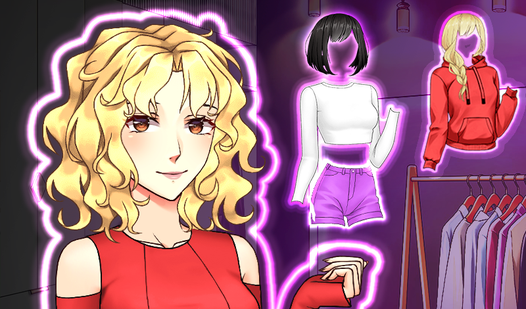
One classic example of how to play Fashion-style games well is Dressing Game - Fashion Girl, which puts you in charge of styling a fashion blogger. You're not just picking pretty clothes — you're thinking about her aesthetic, her audience, and what kind of looks generate the most engagement.
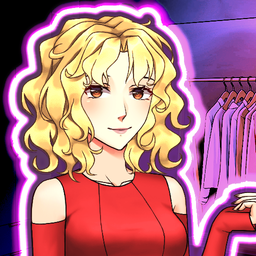
Dressing game - Fashion-Girl
Style your way to the top by curating the perfect look for a rising social media star in Dressing game - Fashion-Girl. You manage every detail of the ...
▶ Play FreeHow to Play Fashion Games: Core Rules
Learning how to play Fashion games effectively starts with understanding the scoring systems. Most fashion games don't explain their logic upfront — they expect you to figure it out. Here's what's usually going on under the hood.
Scoring Systems
Theme matching is the most common mechanic. The game gives you a brief — "glam evening look," "sporty casual," "vintage 1960s" — and scores you based on how well your outfit fits the brief. Items that match the theme score higher; clashing items can actually subtract points.
Color coordination matters more than most players realize. Many fashion games use invisible color theory rules: complementary colors (opposites on the color wheel) boost your score, while clashing colors tank it. If you're wearing something bright orange, a deep blue accessory can lift your total significantly.
Occasion appropriateness is another core rule. Wearing a ball gown to a beach outing, or flip-flops to a gala, will get penalized even if the individual items look beautiful in isolation.
Accessory bonus points are often overlooked by beginners. Shoes, bags, jewelry, and hats frequently carry multiplier effects. A well-chosen handbag can push a mediocre outfit into a top-tier score.
Layer combinations unlock special bonuses in many games. Certain items are coded to work together — put on the designer jacket with those specific jeans, and a "perfect match" bonus triggers.
The Importance of the Brief
Always read the challenge description before touching anything in your wardrobe. Fashion games are essentially puzzle games dressed in pretty clothes. The brief is your puzzle prompt. Ignoring it and just picking your personal favorite items almost always results in a lower score.
Fashion Week 2025 is a great example of a game where reading the brief is everything. Each round of the fashion week event has a specific aesthetic direction, and models who don't match it — no matter how gorgeous — score poorly with the judges.
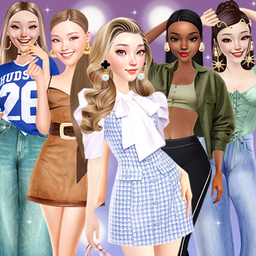
Fashion Week 2025
The high stakes world of couture is calling for someone with a sharp eye for trends and a passion for bold aesthetics. Fashion Week 2025 lets you step...
▶ Play FreeTime Limits
Many fashion games introduce a time limit, especially in later levels. Under time pressure, beginners tend to panic and grab random items. The trick is to prioritize: pick your hero piece first (usually the main garment), then add accessories that complement it. Don't overthink shoes — pick a safe neutral if you're running out of time.
Strategies and Tips for Fashion Games
Understanding rules gets you passing scores. These strategies push you into the top rankings.
Strategy 1: Start with the Brief, Not the Wardrobe
When the game starts, don't immediately open the closet. Read the theme, look at the environment, note the season and occasion. Build a mental picture of what the "perfect" outfit looks like for this scenario. Then go into the wardrobe and work backward from that mental image.
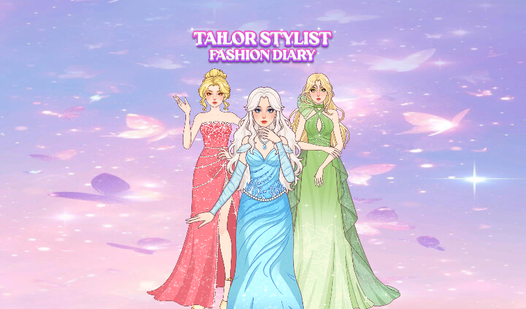
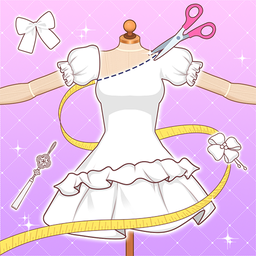
This approach is especially useful in games like Tailor Stylist: Fashion Diary, where you're not just styling ready-made clothes but actually designing garments and running a boutique. Knowing your customer's aesthetic before picking fabrics and cuts is the difference between a bestseller and a returns pile.
Tailor Stylist: Fashion Diary
Aspiring designers and fashion enthusiasts will find their creative paradise in the vibrant world of Tailor Stylist: Fashion Diary. You become the lea...
▶ Play FreeStrategy 2: Learn the Game's Color Language
Spend your first few rounds experimenting with color combinations rather than trying to win. Note which combos the game rewards. Some games favor monochromatic looks (all one color family). Others reward bold contrast. Some reward "safe" neutral palettes. Once you understand the game's color language, you can apply it consistently.
A good way to test this: build two identical outfits that differ only in one color choice, and compare scores. The difference will reveal the game's internal logic.
Strategy 3: Unlock and Prioritize Rare Items
In games with progression systems, rare or premium items almost always have higher base scores than common ones. Early on, focus on completing challenges that unlock rare wardrobe pieces, even if the challenge itself feels harder. A single rare blouse can boost your average score across dozens of future rounds.
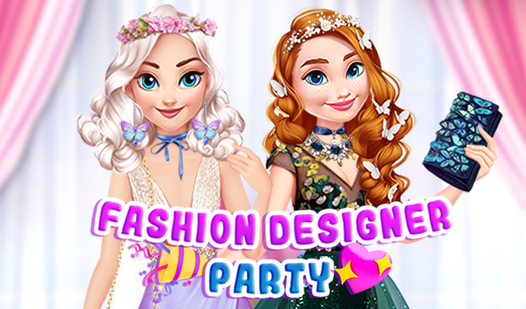
Fashion Designer Party
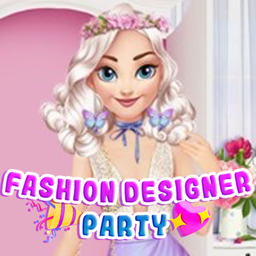
Ever wondered what it takes to curate the perfect red carpet look for royalty? Fashion Designer Party transforms you into a top-tier stylist tasked wi...
▶ Play FreeStrategy 4: Match the Energy, Not Just the Theme
This is a subtler point that separates good players from great ones. Fashion games often reward looks that match the emotional energy of the scene, not just the literal brief. If the scene is a red carpet event with dramatic lighting and a cinematic vibe, a simple sundress might technically fit "formal" but still score low because it doesn't match the dramatic energy. Lean into the mood.
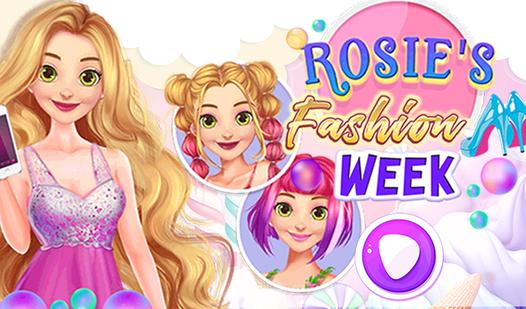
Rosie's Fashion Week does this beautifully — each daily theme isn't just a dress code, it's a feeling. Cold winter morning, vibrant summer festival, sleek city evening. Reading the energy of the theme and dressing for that mood consistently outperforms technical brief-matching alone.

Rosie's Fashion Week
Stuck in a mid-afternoon slump with nothing to do but stare at the wall? Rosie's Fashion Week is the ultimate creative escape that turns your screen i...
▶ Play FreeStrategy 5: Use Accessories as Score Boosters
Accessories are where fashion games hide their bonus points. New players often stop after choosing a top, bottom, and shoes. Advanced players treat accessories as mandatory scoring opportunities. Even one well-chosen accessory — a scarf, a hat, a statement necklace — can add 10-20% to your final score.
In games where accessories have dedicated slots (head, neck, wrist, bag), fill all available slots before submitting. An empty accessory slot is leaving points on the table.
Strategy 6: Replay Early Levels to Learn the Scoring
Once you've unlocked a few levels, go back and replay early ones. Now that you understand the scoring logic better, you can achieve perfect scores you missed the first time. Many fashion games tie achievement rewards to perfect scores on specific levels, so going back is genuinely productive, not just nostalgic.
Strategy 7: Study the Judges in Runway Games
In runway and fashion show formats, different judges have different preferences. Some games make this explicit (a judge icon with a style preference displayed). Others leave it implicit. Watch for patterns: which judge consistently scores your looks higher? Style for that judge when your overall score is borderline.
Common Mistakes to Avoid
Before getting into the best free games, here are the pitfalls that hold most players back:
Ignoring the theme entirely — the most common beginner error. Personal taste does not equal the correct answer. The game rewards alignment with the brief, not self-expression divorced from context.
Skipping accessories — as covered above, this is leaving significant points unclaimed. Even in time-pressured rounds, grab one accessory before you submit.
Not reading new wardrobe items — when you unlock new pieces, check their tags and attributes. Many games attach theme tags to items (e.g., "boho," "formal," "sporty") that directly affect their theme-matching scores in future rounds.
Playing too fast — fashion games reward deliberate choices. Speed-running early levels teaches bad habits that hurt performance in harder rounds.
Ignoring the background or setting — some fashion games factor the setting (beach, city, countryside, nightclub) into outfit scoring. A mismatch between setting and clothing style can cost points even if the outfit would look great somewhere else.
The Best Free Fashion Games Online
All of these are free and available directly on FreeJoy — no registration needed, no installs.
Fashionista's Diary
This one rewards consistency over individual rounds. You're building a fashion diary across multiple sessions, and the game scores not just individual outfits but the coherence of your overall aesthetic. It's excellent for players who like narrative and progression alongside their styling challenge.
Fashion Show Makeover
A full makeover experience — hair, makeup, and wardrobe combined. The rules here layer: you need to nail the makeup first, then match the hair, then ensure the wardrobe ties the full look together. Each layer affects the final score, so a stunning dress with mismatched makeup still loses. Play this one systematically, layer by layer.
Fashion Box: Christmas Diva
Holiday fashion games operate on slightly different rules — seasonal items carry scoring bonuses, and the Christmas Diva theme rewards full commitment to festivity. Don't half-heartedly add one Santa hat; go all-in on the winter glam. Bonnie's love for winter holidays is the entire brief, and the game rewards players who lean into it fully.
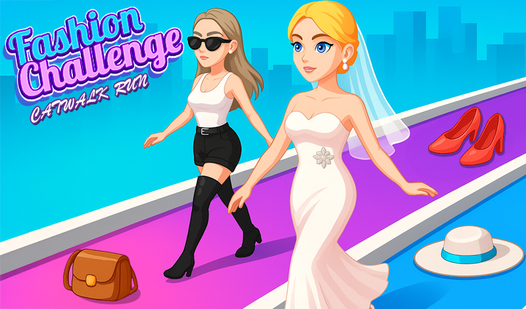
Fashion Challenge Catwalk Run
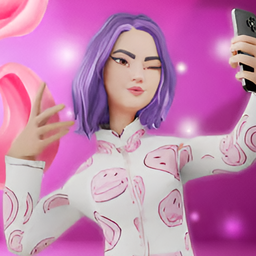
This one adds a kinetic twist — it's not just static outfit selection but an active runway run where your style choices affect your performance in real time. Good outfits give you speed and confidence boosts; poor choices can trip you up mid-runway. It's the most arcade-like of the fashion games listed here, and it rewards fast decision-making as much as good taste.
Fashion Challenge Catwalk Run
The world of high fashion is notoriously cutthroat, but your journey to the top of the runway starts with a single step. Fashion Challenge Catwalk Run...
▶ Play FreeWhy Fashion Games Are Worth Your Time
Fashion games train skills that transfer to real life. Color theory, occasion dressing, accessorizing, understanding aesthetic coherence — these aren't abstract game mechanics. They mirror how actual stylists and fashion editors think.
Beyond the practical, they're genuinely satisfying creative puzzles. The best fashion games have the same rewarding click as a well-solved Tetris board — when an outfit comes together and the score reflects it, that's a real hit of creative satisfaction.
They're also social in interesting ways. Many fashion games feature community ratings, leaderboards, or shared galleries where other players can see and vote on your looks. Building an aesthetic that resonates with other players adds a layer of genuine creative challenge that keeps things fresh long after you've mastered the basic rules.
How to play Fashion games at a high level is really about developing aesthetic judgment — learning to see what works, why it works, and how to replicate it under constraints. The games that challenge you most are the ones with tight briefs, limited wardrobes, and strict time limits. Those constraints force creative problem-solving, not just wardrobe browsing.