How to Play Farming: Rules, Strategies & Free Games
So you want to know how to play Farming games — great choice. Whether you just stumbled onto your first virtual field or you've been planting digital crops for years, this guide covers everything: the rules, the mechanics that actually matter, smart strategies, and a solid list of free farming games you can start right now.
Farming games are one of the most relaxing yet surprisingly deep genres in casual gaming. On the surface, you plant seeds, water them, harvest crops, and sell the results. Under the surface, there's resource management, time optimization, economic planning, and sometimes a full narrative arc. The genre has something for everyone — quick sessions, long-haul builders, and everything in between.
What Is Farming in Gaming?
At its core, a Farming game simulates agricultural life. But the term stretches far beyond tractors and turnips. Modern farming games range from hyper-realistic simulators with actual licensed machinery to quirky mobile titles where you're running a dinosaur ranch or turning a wasteland into a thriving homestead with a bunch of hedgehogs.
The common thread across all of them: you manage a piece of land, grow things on it, and expand over time. What you grow, how fast you grow it, and what you do with the results — that's where each game carves its own identity.
Farming rules как играть in each title may vary, but the foundational loop stays consistent:
- Prepare the land (till, clear, fertilize)
- Plant seeds or animals
- Wait or actively speed up growth
- Harvest
- Sell, craft, or reinvest
That loop is the heartbeat of every farming game. Learn to optimize it, and you'll thrive in any title.
Rules and Basics of Farming Games
Land and Space Management
Your farm has limited space — always. Every tile counts. Early on, resist the urge to plant everything everywhere. Leave room for storage, roads, buildings, or whatever your specific game needs. Overcrowding leads to bottlenecks later.
Most farming games divide land into zones: crop fields, animal pens, production buildings, and decorative areas. Understanding which zones to prioritize first is the foundation of good play.
Crops and Growth Cycles
Every crop has a growth timer. Some take 30 seconds; others take 24 real-world hours. The general rule: faster crops = lower profit per unit, but higher turnover. Slower crops = bigger payouts, but you wait longer and risk forgetting to harvest.
Early-game, stick to fast crops to generate resources quickly. Mid-game, shift toward slower, high-value crops once you have storage to handle the volume.
Energy and Actions
Many farming games use an energy or stamina system. Each action — watering, harvesting, tilling — costs energy. When it runs out, you wait or spend a premium currency to refill.
Tip: Plan your sessions around your energy cap. Log in when you're about to run dry, spend it all efficiently, then log off. Don't waste half your energy on low-priority tasks.
Coins, XP, and Leveling
Almost every farming game has a leveling system. Higher levels unlock new seeds, buildings, animals, and map areas. XP usually comes from completing tasks, harvesting, crafting, and fulfilling orders.
Focus on the activities that give the most XP per unit of time. Early levels go fast; later levels slow down significantly — that's intentional pacing to keep you engaged.
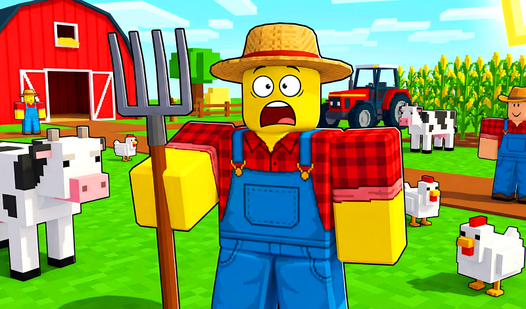
Obby Tycoon: Farming Simulator
Stuck in a boring meeting or just waiting for your coffee to brew, you need a quick escape that keeps your hands busy and your mind sharp. Obby Tycoon...
▶ Play FreeAnimals and Livestock
Livestock adds a second production layer on top of crops. Animals eat feed (usually made from crops), and in return produce eggs, milk, wool, or other goods that sell for more than raw crops.
The catch: animals need regular feeding and attention. Neglect them, and production stalls. Budget time for animal care when you add livestock to your farm.
Farming Strategies That Actually Work
The Compound Growth Strategy
This is the most reliable path to long-term farm growth. Every coin you earn gets reinvested into more land, better seeds, or production upgrades — not saved. A bigger farm generates more per cycle, which funds the next expansion faster.
Think of it like compound interest: the earlier you reinvest, the faster your farm snowballs.
Prioritize Orders Over Random Sales
Most farming games have an orders or requests system — NPCs or ships or shops that ask for specific items at premium prices. Always fulfill these when possible. They pay significantly more than selling to the generic market.
Keep a mental (or actual) list of what orders commonly ask for, and make sure those items are always in production.
The Stockpile Approach
Before unlocking a new area or building, stockpile the materials you'll need. Nothing kills momentum like unlocking a new upgrade and then spending a week grinding resources before you can actually use it.
Check what the next milestone requires, and start collecting those resources a few days early. This keeps your progression feeling smooth rather than grinding to a halt.
Time Your Harvests
If a crop takes 8 hours to grow, plant it right before you go to sleep. When you wake up, it's ready. If it takes 2 hours, plant it during work breaks and harvest on your lunch break.
Farming game стратегии all come back to this: align your real schedule with your crop timers. Players who do this progress two to three times faster than those who plant randomly.
Don't Neglect the Side Quests
Almost every farming game has daily missions, seasonal events, or story quests running in the background. These almost always give better rewards than passive farming — bonus XP, rare seeds, premium currency, or exclusive decorations.
Completing these consistently compounds over time into a major advantage.

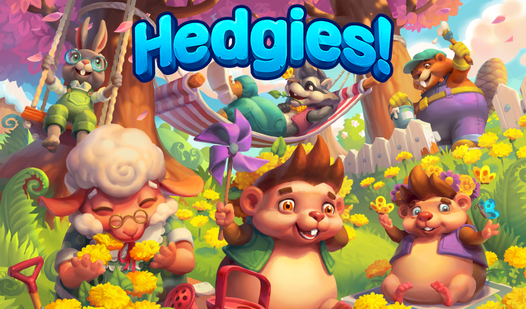
Hedgies!
Small creatures often harbor the biggest ambitions when it comes to transforming a barren plot of land into a thriving oasis. Hedgies proves that even...
▶ Play FreeThe Merge Strategy (for Merge-Farming Hybrids)
If you're playing a merge-style farming game, the core strategy is different: always merge up before placing new items. Keeping low-tier items on the board wastes space. Every 2-3 of the same item should merge into the next tier as soon as possible.
Prioritize clearing fog (unexplored areas) early to give yourself room to operate. Merge games reward spatial thinking more than pure time management.
Best Free Farming Games Online
Now let's talk about specific games. These are all playable for free, right now, no downloads needed.
Obby Tycoon: Farming Simulator
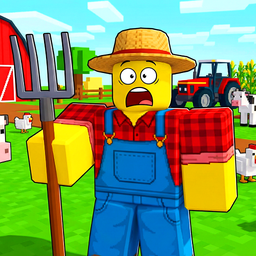
This one blends Roblox-inspired obstacle courses with farm building. You grow crops, expand your land, and navigate the environment in a way that feels more active than most farming titles. If you want farming with movement and exploration baked in, start here.
Obby Tycoon: Farming Simulator
Stuck in a boring meeting or just waiting for your coffee to brew, you need a quick escape that keeps your hands busy and your mind sharp. Obby Tycoon...
▶ Play FreeFarming Simulator 2026
The most grounded title on this list. You're operating a combine harvester, managing fields, and running a realistic agricultural operation. It strips away the fluff and focuses on the pure simulation loop — drive, harvest, sell, upgrade. Great for players who want something that feels like actual farm work rather than a casual mobile game.
Hedgies!
One of the most charming entries in Farming онлайн. You control a team of hedgehogs transforming barren, neglected land into a thriving farm. The art style is warm and quirky, the gameplay loop is addictive, and the hedgehog characters give it a personality that most farming games lack.
Hedgies!
Small creatures often harbor the biggest ambitions when it comes to transforming a barren plot of land into a thriving oasis. Hedgies proves that even...
▶ Play FreeMy Dinosaur Farm
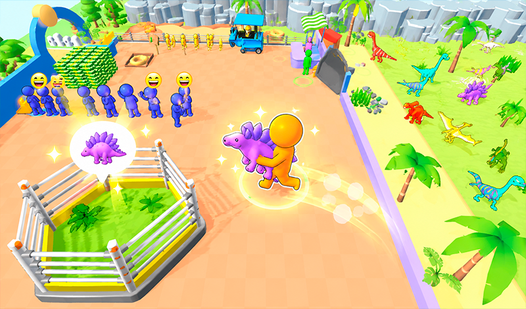
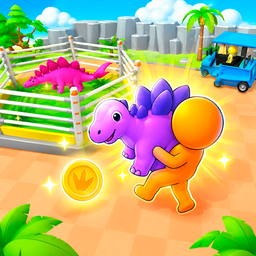
Yes, exactly what it sounds like. You manage a farm populated by dinosaurs instead of cows and chickens. It sounds gimmicky, but the farming mechanics are solid — resource management, breeding, expanding your prehistoric operation. If you've played every conventional farming game and want something completely different, this delivers.
My dinosaur farm
Fans of casual simulator games will adore the chance to build a bustling prehistoric sanctuary in My dinosaur farm. Running a successful ферма динозав...
▶ Play FreeJolly Days Farm
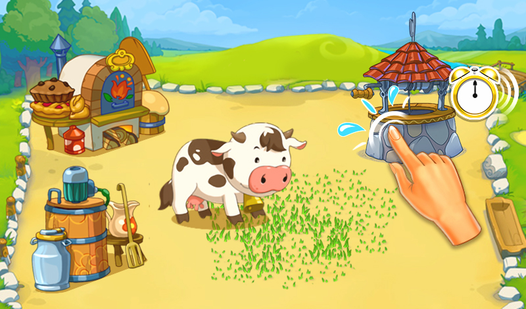
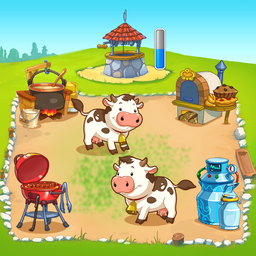
This is the full-package farm simulator: crops, animals, orders, seasonal events, upgrades, and a satisfying progression curve. Every action matters here — there's no filler. If you want one game to sink serious hours into, Jolly Days Farm is the pick.
Jolly Days Farm
Managing a virtual agricultural empire requires more than just luck, as every decision dictates your success in the competitive countryside. Jolly Day...
▶ Play FreeMore Farming & Merge Games Worth Playing
The farming genre overlaps heavily with merge and city-building games. These titles share the same satisfying loop of building something from nothing and watching it grow:
Mergest Kingdom — merge mechanics meet kingdom building. Satisfying puzzle-farming hybrid.

Mergest Kingdom
Fans of strategic puzzle games will find their new obsession within the enchanting lands of Mergest Kingdom. This addictive experience challenges you ...
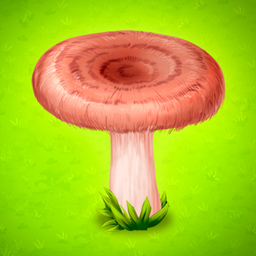
▶ Play FreeForest Clans — build a settlement in a lush forest environment. Resource gathering and expansion-focused.
Forest Clans
Mushroom hunting is a timeless tradition that brings the tranquility of nature directly to your screen. Forest Clans transforms this peaceful hobby in...
▶ Play FreeFairyland Merge & Magic — enchanted merge world where you combine items to unlock magical creatures and lands.

Fairyland Merge & Magic
Fans of whimsical puzzle adventures will find their new obsession in Fairyland Merge & Magic as they restore a vibrant enchanted realm. This captivati...
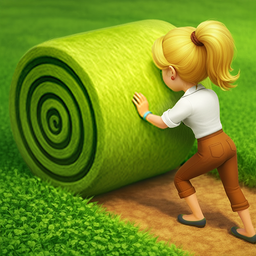
▶ Play FreeTropical Merge — island-themed merge game with a relaxed pace and colorful visuals.
Tropical merge
Fans of farming games who adore cozy island vibes will find their new obsession here. Tropical Merge invites you to restore a sun-drenched paradise ba...
▶ Play FreeFarm MeowLand: Merge — cat-themed farm where you merge items to build and expand your feline homestead.

Farm MeowLand: Merge
Stuck in a dull afternoon slump with nothing to do but scroll through feeds? Farm MeowLand: Merge is the perfect cure for boredom that transforms your...
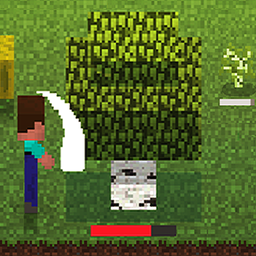
▶ Play FreeNubik: New World — blocky, Minecraft-adjacent world where you build and expand from scratch.
Nubik: New world
Staring at the clock and feeling that afternoon slump hit hard is the worst part of any workday. Nubik: New world is the perfect digital escape to tur...
▶ Play FreeSim City: Island Building Simulator — more city than farm, but the resource loop and land management are directly transferable skills.

Sim City: Island Building Simulator
Staring at a blank screen while your coffee gets cold is the perfect sign that you need a creative escape. Sim City: Island Building Simulator turns t...
▶ Play FreeCommon Mistakes New Players Make
Ignoring storage capacity. When your storage fills up, production stops. Upgrade your barn or warehouse before it becomes an emergency, not after.
Spreading too thin. Trying to grow every crop at once sounds efficient but often isn't. Focus on two or three profitable crops, master their timers, then diversify when you have the infrastructure to handle volume.
Skipping tutorials. Farming games hide useful mechanics in their tutorials — alternative energy sources, bonus multipliers, hidden mechanics that aren't obvious from the UI. Run the tutorial even if it feels slow.
Selling everything immediately. Some items are worth more as ingredients for crafted goods than as raw products. A tomato might sell for 10 coins, but a pizza made with that tomato sells for 80. Learn the production chains before you dump raw resources on the market.
Not using the trading board. Most farming games have player-to-player trading or a community marketplace. Check it before crafting. Sometimes you can buy a processed good cheaper than it costs to make it, freeing up your production lines for higher-margin items.
Advanced Tips for Experienced Players
Once you've got the basics down, правила Farming competitive play comes down to optimization:
Map out your full farm layout before building. Buildings placed inefficiently early are hard to move later. Think about traffic flow — how do resources move from production to storage to shipping? Minimize the number of steps.
Track your daily efficiency. Note how many coins you earn per session, per day. If that number stops growing, you've hit a bottleneck. Find it and fix it — usually it's storage, energy cap, or a production chain that's too slow.
Event prioritization. Seasonal events in farming games are always time-limited. When a new event starts, pivot your resources toward event goals for the first two to three days. Event rewards almost always outpace regular farming returns.
Patience with premium items. Free-to-play farming games are designed to tempt you into spending premium currency on time-skips. Most aren't worth it. Save your premium currency for permanent expansions — extra land slots or additional building slots — which compound in value over the entire game.