How to Play Digging: Rules, Tips & Free Games
If you've ever wondered how to play Digging games online, you're about to find out everything you need. Digging games are among the most satisfying experiences in browser gaming — there's something genuinely rewarding about breaking through layers of earth, uncovering buried treasures, and carving your own path underground. The mechanic is simple on the surface (pun intended), but once you understand the rules and systems underneath, a whole genre of strategy opens up. This guide covers the rules of Digging games from scratch, smart strategies for progressing faster, and the best free Digging titles you can play right now without installing anything.
What Are Digging Games?
Digging games are a broad category of browser and mobile games centered around one core action: excavating terrain. You control a character, vehicle, or drill that breaks through layers of earth — dirt, rock, sand, or even prison walls — to reach a specific goal. That goal varies widely depending on the game:
- Reach a depth target (drilling all the way to the Earth's core)
- Escape a confined area (prisons, caves, underground bunkers)
- Collect resources or artifacts hidden beneath the surface
- Survive hazards and enemies that patrol underground tunnels
The mechanics are easy to pick up but genuinely challenging to master. Most digging games use a grid-based system where each block you destroy reveals what's beneath it. Some games layer in physics systems, resource management, enemy encounters, or RPG-style upgrades, turning a simple dig-down experience into something much richer.
The genre has deep roots — classic arcade games like Dig Dug and Boulder Dash defined the template decades ago. But modern browser versions have evolved the formula significantly. Today's digging games include full progression systems, procedurally generated levels, narrative story modes, and multiplayer competitions.
What keeps players coming back is the core loop: dig, collect, upgrade, dig deeper. Every run feels like progress, and the satisfying crunch of breaking through rock toward something valuable never really gets old.
Как играть в Digging: Rules and Basics
Understanding the foundational правила Digging (rules of Digging) is quick. Here's what every new player needs to know before their first underground run.
Core Controls
Most digging games use one of three input schemes:
- Arrow keys or WASD — move your character or drill in a direction to break adjacent blocks
- Click-to-dig — click or tap on blocks next to your character to remove them one by one
- Auto-dig — your character automatically drills downward and you steer left or right to adjust the path
The specific controls are almost always shown in the game's tutorial or help section, but the good news is that the genre is intuitive — most players figure out the basics within thirty seconds of starting.
Block Types and Hardness
Not all underground blocks are equal. Different block types have different hardness levels and contain different rewards:
| Block Type | Difficulty | Common Reward |
|---|---|---|
| Dirt | Easy | Small coins, common gems |
| Stone | Medium | Ore, basic minerals |
| Hard Rock | Tough | Rare gems, valuable ore |
| Crystal | Very Tough | High-value crystals |
| Sand | Easy but unstable | Collapses fast — watch out |
Understanding block types early helps you make decisions on the fly: is it worth spending the extra fuel to dig through a thick rock wall to reach the gems on the other side? Usually yes, but only if your drill can handle it.
The Resource Loop
Nearly every digging game has some version of this cycle:
- Descend underground and collect resources
- Return to the surface (or a shop) to sell or bank resources
- Spend resources on upgrades
- Repeat with better gear, going deeper
Managing this loop efficiently is the real skill. If you go too deep without enough fuel to return, you lose progress. If you surface too early, you waste trip potential. Finding the right balance comes with practice — and with knowing your game's specific systems.
A great place to start learning this loop is Digging Master. It puts you in the role of an excavation expert uncovering buried artifacts, and its progression system introduces the resource cycle in a natural, forgiving way. Great first game for understanding how to play Digging from scratch.

Digging Master
Fans of management sims and history buffs will find their next obsession with Digging Master as they uncover the secrets of the past. This engaging ar...
▶ Play FreeDigging Стратегии: How to Play Smart
Once you know the basics, the question becomes how to actually get good. Here are the strategies that separate efficient tunnel engineers from players who run out of fuel every other run.
1. Dig with a Purpose, Not Just Down
The biggest beginner mistake is tunneling randomly. Before you go deeper, scan the immediate area for ore clusters, gem deposits, or objective markers. Most games provide a map overlay or radar system — use it aggressively.
The rule: dig toward valuable resources, not away from them. A two-block detour to grab a rare gem cluster almost always pays off in fuel efficiency. Random drilling burns resources without proportional reward.
2. Manage Your Inventory Before It Manages You
Most digging games cap how much you can carry. When your inventory fills up, you're forced to surface early or drop items — neither is ideal. To avoid this:
- Prioritize high-value items; drop common ones if you find better
- Learn the weight or slot system before going deep
- Upgrade carry capacity as early as your upgrade tree allows
An overstuffed inventory on a shallow run is worse than a lighter, better-curated haul from deeper layers.
3. Plan Your Exit Before You Enter
This catches out every beginner at least once: you dig deep, collect a fortune, and then realize you have no idea how to get back up. Before going underground, check whether your game has:
- Elevators or vertical shafts you can install
- Jetpacks or return items for fast surface trips
- Automatic return when fuel hits a threshold
If none of these exist, plan your tunnel as a structured path rather than a chaotic web. A simple staircase pattern is far easier to retrace than a maze of random corridors.
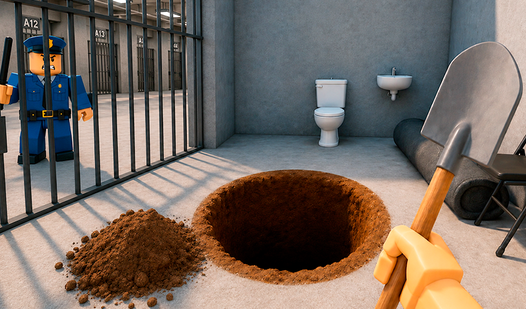
Prison Escape: Digger makes this planning feel urgent — every tunnel you carve is your escape route, so directionless digging can literally get you trapped. Great game for internalizing the value of planning your path.
Prison escape: Digger
Stuck in a dull meeting or just waiting for your coffee to brew, you need a way to pass the time that rewards your persistence. Prison escape: Digger ...
▶ Play Free4. Upgrade in the Right Order
If your game has an upgrade shop, here's the optimal priority for most digging games:
- Drill speed — faster digging means more resources collected per minute
- Fuel capacity — longer underground trips before forced surfacing
- Carry capacity — more loot per trip
- Hull or armor — surviving enemies and cave-ins
- Radar or detection — finding high-value deposits faster
Don't hoard currency waiting for expensive late-game upgrades. Drill speed compounds quickly: faster drilling → more resources per run → faster upgrades → even faster drilling. The early upgrades pay for themselves.
5. Respect the Enemies
A significant portion of digging games include underground threats — enemies that patrol tunnels or ambush you from adjacent blocks. Against them:
- Never dig blindly into unknown blocks — enemies sometimes hide just out of sight
- Keep a fallback tunnel behind you so you have a retreat path
- Learn patrol patterns; most enemies follow predictable loops
- Some enemies can be lured into traps by the geometry of your own tunnels
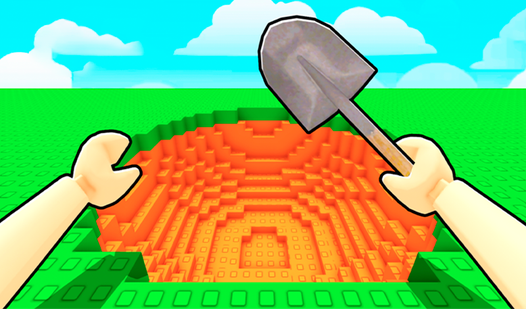
For a game where this tactical awareness matters from the first seconds, Obby: Dig Down drops you into a downward excavation with hazards built into every layer. Careful path selection beats brute-force drilling here.
Obby: Dig Down
Fans of digging simulators and block-breaking challenges will find their new obsession in Obby: Dig Down. This addictive mining adventure tasks you wi...
▶ Play FreeAdvanced Tactics for Serious Diggers
Once the basics are second nature, these techniques push your efficiency further.
Layer Mapping
Many of the best digging games feature distinct geological layers with different resource densities. Memorizing which depth yields what materials is genuinely powerful knowledge:
- Surface (0–20m): Common dirt, basic resources, tutorial encounters
- Middle layers (20–100m): Stone, ore clusters, first enemy patrols
- Deep layers (100m+): Rare gems, high-value minerals, boss encounters
Speed-running through shallow layers to access valuable deep sections is a legitimate strategy — once you've upgraded enough to survive the deeper threats.
Tunnel Architecture Styles
Professional diggers use structured patterns rather than improvising:
- Staircase pattern: Safe, predictable, easy to retrace. Best for beginners and return navigation.
- Grid pattern: Maximum area coverage. Ideal when hunting for scattered gem deposits.
- Spiral pattern: Efficient exploration outward from a central shaft. Great for boss chambers or large cave systems.
- Vertical shaft with branches: One deep central shaft with horizontal side tunnels at each layer. Best for layer-by-layer resource extraction.
The pattern you choose should match your objective. Racing to depth? Go vertical shaft. Hunting gems? Grid pattern. Exploring a boss arena? Spiral outward.
Dig to Earth Core takes depth-racing to its logical extreme — your entire objective is reaching the planet's center, and every meter of inefficient tunneling delays you. This game rewards tight vertical shaft technique and smart resource management under constant time pressure.

Dig to earth core
Reaching the absolute center of the planet is a dream for every geologist, but doing it with nothing but a pickaxe makes it a true test of grit. Dig t...
▶ Play FreeCombining Digging with Story Objectives
Some of the most engaging games in the genre wrap the digging mechanics around narrative goals. Prison escape titles are the clearest example — tunneling isn't exploration, it's survival. These games add puzzle logic to the core mechanic: which wall gives you the safest exit, when to move relative to guard patrols, how to find and use tools scattered throughout the prison.
This hybrid formula rewards patience and observational skills as much as pure drilling efficiency. Noob Miner 2: Escape from Prison is the genre's best demonstration of this blend — it uses classic mining gameplay as the vehicle for an increasingly complex escape room challenge, with each prison presenting new layout puzzles.

Noob Miner 2: Escape from Prison
Escaping a high-security facility requires more than just brute force when you are trapped in a pixelated block world. Noob Miner 2: Escape from Priso...
▶ Play FreeBest Free Digging Games: Full Collection
Here are more excellent free options available on FreeJoy — no registration, no download, just launch and play.
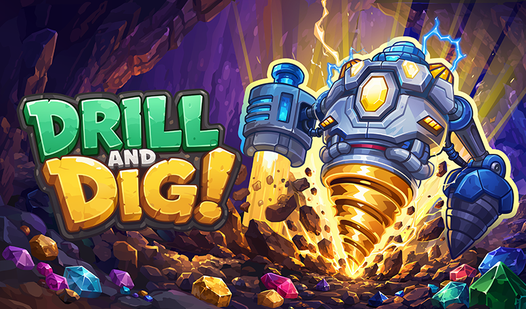
Drill and Dig!
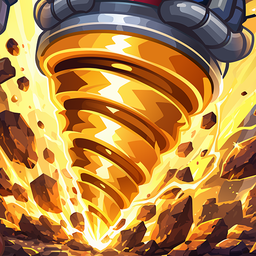
A fast-paced drilling game that puts raw speed front and center. Your drill moves automatically and you steer it through underground mazes that get progressively tighter and more complex. Reflexes matter here more than deep strategy — it's a great pick if you want immediate, kinetic satisfaction from the genre.
Drill and Dig!
Fans of addictive arcade games will find their new obsession in Drill and Dig! as they plunge deep into the earth to hunt for glittering treasure. You...
▶ Play FreeMystery Digger
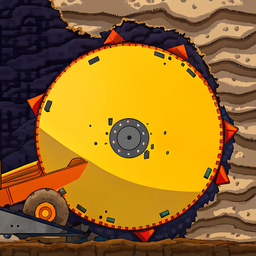
A puzzle-heavy take on digging where the terrain hides secrets and story clues rather than just resources. Each level has a hidden objective that reveals itself as you excavate layer by layer. You're doing detective work underground, piecing together what happened here before you arrived. Perfect for players who want their digging to tell a story.
Mystery Digger
Staring at a blank screen during a midday slump is the worst way to kill time. Mystery Digger transforms those dull moments into a thrilling undergrou...
▶ Play FreeNoob Miner 3D: Jailbreak
Brings the prison escape digging formula into three dimensions with more complex level architecture. The added dimension means paths that look open in 2D can be blocked in 3D space, and planning your escape route requires thinking spatially in a way the flat versions don't demand. More challenging, more visually engaging, and very satisfying when an escape plan clicks into place.

Noob Miner 3D: Jailbreak
Stuck in a boring meeting or just need a quick distraction to recharge your brain? Noob Miner 3D: Jailbreak is the ultimate escape plan that turns you...
▶ Play FreeDigger Escape
A tight, well-designed puzzle escape game where every level is a contained challenge. Figure out the correct path through underground terrain to reach the exit — there's no sprawling open world here, just focused puzzle design. Some levels introduce time pressure, which sharpens your planning significantly.

Digger Escape
Mining operations rarely feel this urgent, especially when rogue robots threaten to turn our cities into scrap metal. Digger Escape tasks you with dig...
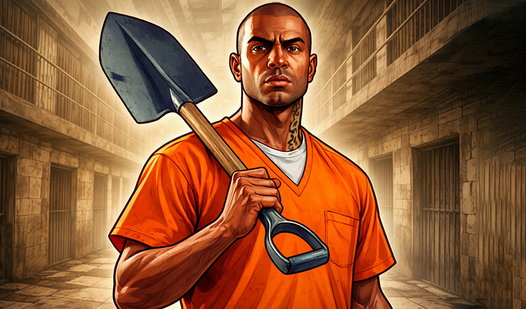
▶ Play FreePrison Escape Simulator 3D: Dig Out Master Journey
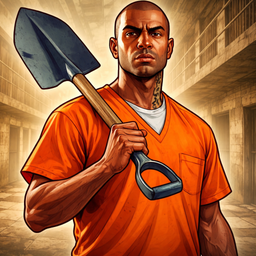
One of the most elaborate entries in the prison escape digging subgenre. You manage a full escape operation: planning tunnels, timing your movements around guard patrols, collecting tools scattered throughout the prison, and staying undetected. The "Dig Out Master" designation is accurate — this game expects strategic thinking from minute one.
Prison Escape Simulator 3D: Dig Out Master Journey
Navigate the gritty reality of life behind bars where every second counts toward your ultimate mission to escape the prison. You will spend your days ...
▶ Play FreeQuick-Reference Guide for New Players
Do these:
- Start with the tutorial if one exists — even short tutorials reveal mechanics that would take trial-and-error to discover
- Upgrade drill speed before anything else
- Collect everything on the surface before going underground on your first run
- Know your fuel situation before going deeper than you've been before
- Save a small fuel reserve for the return trip
Avoid these:
- Digging straight down without checking for drops or lurking enemies below
- Hoarding currency instead of buying upgrades
- Filling your inventory with low-value items in the first layer
- Ignoring the fuel gauge — running dry underground almost always ends the run badly
- Skipping upgrades because they seem small — they compound
Choosing the Right Game for Your Style
With so many options in the genre, here's a quick matching guide:
| You prefer... | Start with |
|---|---|
| Relaxed treasure hunting | Digging Master, Mystery Digger |
| Fast-paced action | Drill and Dig!, Obby: Dig Down |
| Puzzle and strategic planning | Digger Escape, Prison Escape: Digger |
| Story-driven progression | Noob Miner 2, Noob Miner 3D: Jailbreak |
| Racing to a depth goal | Dig to Earth Core |
| Full escape simulation | Prison Escape Simulator 3D |
All of these are free on FreeJoy.games — browser-based, no account required, playable on desktop and most mobile devices.
Why the Genre Hooks You In
The digging genre has stayed popular for decades because the core feedback loop is near-perfect for casual gaming sessions. Every run gives you something: resources collected, depth reached, upgrades purchased. You never walk away from a digging game feeling like you accomplished nothing — even failed runs yield small amounts of progress in most modern titles.
The progression arc also feels earned. Starting with a crude pickaxe and scratching at dirt, then eventually powering through bedrock with an upgraded drill, gives you a tangible sense of growth that's rare in short-session games. The moment your drill speed doubles and what used to take effort becomes effortless — that's a satisfying milestone that the genre manufactures reliably.
Add the narrative variety — treasure hunters, prison escapees, core drillers, mystery solvers — and you have a genre broad enough that you could play a different style of digging game every week for months.