How to Play Designer: Rules, Tips & Free Games
So you've stumbled across a Designer game and you're wondering what it's all about — or maybe you've played a few rounds and want to sharpen your skills. Either way, you're in the right place. Learning how to play Designer is genuinely fun because these games reward creativity, planning, and a good eye for aesthetics. Whether it's fashion, interior décor, match-3 puzzles, or full renovation simulations, Designer games share a common DNA: you make something beautiful, and the game tells you how well you did it.
This guide walks you through everything — the basic rules of Designer games, smart strategies, and a curated list of the best free Designer games you can play right now without registration. Let's get into it.
What Is a Designer Game?
At its core, a Designer game puts you in the role of a creative professional. The "Designer" genre is actually an umbrella for several distinct styles of gameplay, all tied together by a central theme: creating, arranging, and beautifying things to meet a client's vision or score the most points.
You'll find Designer games in a few main forms:
Interior Design / Home Renovation — You're handed a room (or a whole house) and tasked with choosing furniture, colors, layouts, and décor to transform it from something bland into something stunning. These games often involve match-3 mechanics to earn resources, then a free-choice design phase where you spend those resources.
Fashion Design — You work with outfits, accessories, and styling. Players pick clothes, mix patterns, choose color palettes, and sometimes run full fashion shows or boutiques. Timing and customer satisfaction are often key metrics.
Makeover and Character Design — Focus shifts to characters rather than spaces. You redesign dolls, cartoon characters, or people with new hairstyles, makeup, and wardrobe.
Puzzle-Driven Designer Games — Many Designer titles use match-3 or merge mechanics to gate design choices. You solve puzzles to unlock items, then use those items to complete design challenges.
All of these sub-genres share something important: there's usually a goal (a client brief, a score target, a theme), a creative choice phase, and feedback on how well you performed.
How to Play Designer: Core Rules and Basics
Even though Designer games vary widely, there are patterns that repeat across almost every title. Once you understand these, picking up any new Designer game becomes quick.
The Brief System
Most Designer games give you a brief before each level or challenge. This might be a client saying "I want a cozy Nordic bedroom" or "dress me for a summer party." Your job is to interpret the brief and make choices that match it. Briefs usually come with a theme, a mood, sometimes a color palette, and often a budget or resource limit.
Reading the brief carefully is the most important thing you can do. Players who skim past it often waste resources on elements that don't score well, even if they look objectively good. The game is always judging you against the brief, not against your personal taste.
Resource Management
In most Designer games, you don't have unlimited materials. You earn coins, gems, stars, or energy by completing puzzles or tasks — and then spend them on design choices. The trap many beginners fall into is spending everything on one impressive centerpiece item and running out of budget for the rest of the room.
A balanced approach works better: allocate resources across all parts of the design space before going back to upgrade individual pieces. A well-composed room with mid-tier items often outscores a room with one amazing item and a lot of bare space.
The Match-3 Connection
If your Designer game has a match-3 component — and many do — treat it seriously. These puzzles aren't filler. They directly fund your design budget, and harder puzzle levels unlock premium design items. Focus on creating combo chains (matching 4 or 5 in a row creates power tiles that clear multiple pieces) and watch for objectives — some levels want you to clear specific tiles, not just make matches anywhere.
Client Satisfaction vs. Personal Style
Some Designer games track a satisfaction score tied to how closely your choices match what the client asked for. Others give you free reign and score purely on aesthetic metrics (symmetry, color harmony, style consistency). Know which type you're playing. If there's a client with preferences, prioritize those. If it's a free-form challenge, focus on variety and visual balance.
Strategies and Tips for Designer Games
Knowing the rules is one thing. Playing well is another. Here are the strategies that separate good players from great ones.
Prioritize Completing Sets
In design games where you can choose décor items, completing a matching set (e.g., bed + nightstand + dresser all from the same style collection) almost always gives a bonus. Mixing random pieces rarely beats a coherent set, even if the individual random pieces look more impressive. When in doubt, commit to one style per space.
Don't Ignore the Walls and Floor
Beginners focus on furniture and forget that walls, floors, and lighting are often worth significant points. A beautiful sofa in a room with a mismatched floor pattern will tank your score. Always check whether the game lets you customize those base elements — if it does, they're usually worth your budget.
Save Premium Resources
Nearly every Designer game has a premium currency (gems, diamonds, crystals). It's tempting to spend it immediately on flashy items. Don't. Save premium currency for items that are genuinely difficult to obtain any other way, or for later levels where the difficulty spikes and you'll need a significant advantage.
Learn the Scoring Weights
After a few levels, you'll notice patterns in how points are distributed. Some games weight character/client reactions heavily. Others score based on how many items you placed, rewarding density over quality. Once you identify the scoring logic, optimize around it. If placing more items scores higher, prioritize quantity. If style matching is the main driver, go deep on one aesthetic.
One of the best ways to learn these patterns is to replay a completed level with different choices and compare scores. Most Designer games let you replay for stars, and experimenting there is low-risk.
In Match-3 Levels: Plan Your Last 5 Moves
It sounds simple, but most match-3 failures happen in the final stretch. With 5 moves left, scan the entire board before touching anything. Look for cascades — a match that will cause other pieces to fall into matching positions. One well-planned cascade in the final moves can complete objectives that seemed impossible moments earlier.
Use Boosters Strategically, Not Desperately
Boosters in puzzle games (bombs, shuffles, extra moves) are most valuable when you're one step from completing an objective — not when you're generally struggling. Using a bomb randomly in move 10 often wastes it. Using it in move 28 to clear the last 3 obstacles wins the level. Hoard them, then use them precisely.
Best Free Designer Games to Play Right Now
Now for the fun part. Here are the best Designer games available free online — no download, no registration, just play.
The Best Designer
This one lives up to its name. The Best Designer challenges you to restore and redesign spaces with a satisfying combination of creative freedom and structured goals. The design options are varied enough to feel genuinely personalized, and the visual feedback when you complete a room is genuinely rewarding. If you want to understand how to play Designer at its most polished, this is the place to start.
The Best Designer
Matching colorful chips in a row is the core of this addictive puzzle journey where you help Sophie transform a run-down retreat into a luxury destina...
▶ Play FreeFashion Designer Party
Fashion Designer Party brings the same principles to the world of style. You're designing outfits, coordinating looks for a party, and trying to impress a crowd with your fashion instincts. The game is bright, fast-paced, and surprisingly strategic — color coordination and style coherence actually matter for scoring. It's a great entry point if you're more drawn to wardrobe design than interior spaces.
Fashion Designer Party
Ever wondered what it takes to curate the perfect red carpet look for royalty? Fashion Designer Party transforms you into a top-tier stylist tasked wi...
▶ Play FreeDesigner: Mary and Friends
This one takes a more narrative approach. You follow Mary through a series of design projects with friends, each bringing their own preferences and quirks. The client-brief system is well-developed here — clients actually have distinct personalities that affect what they like, making each project feel genuinely different. Great for players who want a bit of story with their design challenges.

Designer: Mary and Friends
Transforming into a masked crusader has never been easier than with this creative character generator. Designer: Mary and Friends lets you unleash you...
▶ Play FreeOlaf Designer — Match 3
If you like your Designer games wrapped in a match-3 puzzle format, Olaf Designer is a strong pick. The Olaf character brings a playful energy to the puzzles, and the design elements you unlock through matches are charming and varied. The match-3 mechanics are well-tuned — challenging without being frustrating — and the design rewards feel genuinely earned. This one is great for players who want a gameplay loop that balances action with creativity.
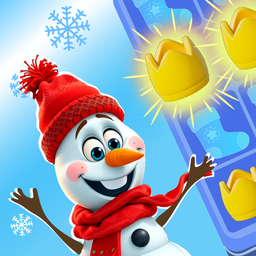
Olaf Designer - Match 3
Swapping colorful ice crystals to create explosive combos is the primary way you help our chilly friend restore his winter wonderland in Olaf Designer...
▶ Play FreeMom's Designer — Match 3
Mom's Designer is a home renovation match-3 hybrid with a cozy, domestic energy. You help a mom character transform her living spaces room by room, solving match-3 puzzles to gather renovation materials, then making design choices to finish each space. The interior design options are surprisingly detailed for a casual game, and the renovation progression gives you a real sense of a project coming together over time.
Home Designer: Match 3
Home Designer builds on a similar formula but expands the scope considerably. You're working through an entire house, not just individual rooms, which creates a longer and more satisfying progression arc. The match-3 puzzles here introduce mechanics gradually, so even if you're new to the genre, you'll find the learning curve fair. The design phase rewards players who think about how rooms relate to each other aesthetically.
Best Designer 2023
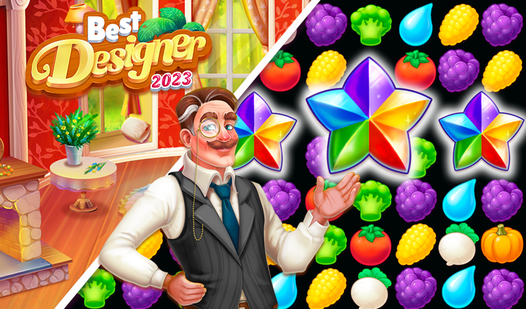
Best Designer 2023 treats the "designer" concept as a competitive framework. You're not just making things look nice — you're trying to outperform a standard, earn high ratings, and complete increasingly demanding briefs. This one rewards players who've already spent some time with the genre and want a challenge. The scoring is rigorous and the briefs leave less room for creative interpretation, which makes landing a perfect score genuinely satisfying.
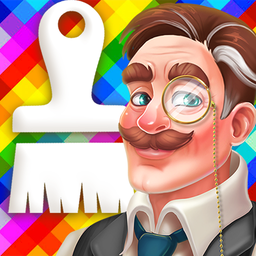
Best Designer 2023
Matching colorful fruits in a row is the most satisfying way to master the art of design in Best Designer 2023. You will navigate through thousands of...
▶ Play FreeDoll Designer
Doll Designer shifts focus entirely to character design rather than spaces. You customize dolls with outfits, accessories, hairstyles, and makeup. It sounds simple, but the depth of customization is impressive — there are enough options to make every design feel unique. It's a great creative outlet if you're less interested in room layouts and more interested in styling characters from scratch.
Mansion Tale: Merge Secrets
Mansion Tale uses a merge mechanic instead of match-3, which gives it a different rhythm. You combine items to create upgraded versions, unlock new design pieces, and gradually restore a mysterious mansion. The "secrets" aspect adds light storytelling to the design gameplay — you're discovering the history of the mansion as you restore it. The merge system is addictive in its own right, and the design payoffs feel substantial.
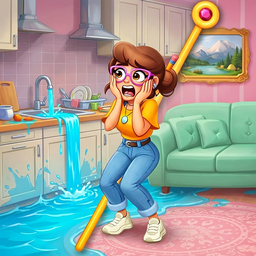
Mansion Tale: Merge Secrets
Combine colorful items on the board to clear challenges and earn the resources needed to restore a decaying mansion. Mansion Tale: Merge Secrets place...
▶ Play FreeColoring by Numbers: Pixel House
This one is a bit different — and that's exactly why it's worth including. Coloring by Numbers: Pixel House channels the Designer spirit through a pixel-art coloring format. You fill in numbered sections to reveal a complete home design, section by section. It's meditative and creative in a way that contrasts nicely with the faster-paced match-3 titles. Perfect for when you want to design something beautiful without any time pressure.
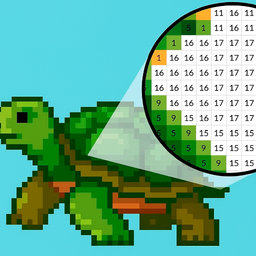
Coloring by Numbers. Pixel House
Fill empty pixel grids with vibrant shades by matching numbers to unlock stunning architectural masterpieces. Coloring by Numbers. Pixel House turns e...
▶ Play FreeHow to Play Designer Games: Common Mistakes to Avoid
Learning how to play Designer well also means knowing what not to do. These are the mistakes that consistently hold players back.
Ignoring the theme. This is the number one mistake. Players pick items they personally find beautiful without checking whether they match the requested theme. The game doesn't care what you like — it cares whether you met the brief.
Over-investing in a single item. A chandelier that costs 200 gems might look stunning, but if it drains your budget before you've furnished the rest of the room, your overall score suffers. Balance always beats going all-in on one element.
Skipping puzzle levels. In hybrid match-3/design games, it's tempting to replay only the easy puzzle levels to grind resources. This works short-term but often locks you out of premium design items that are only unlockable by completing harder challenges. Push through the difficult puzzles — the unlocked items are worth it.
Spending boosters to reduce frustration rather than to win. Frustration boosters (spending a booster just to make a hard level easier) are almost always wasteful. A minute of careful board analysis will often reveal a path that doesn't need any boosters at all.
Ignoring tutorial prompts. Designer games often introduce mechanics gradually, and the tutorial moments are worth paying attention to. Skipping them frequently leads to confusion later when more complex mechanics appear with no explanation.
Bonus: Getting the Most Out of Free Designer Games
All the games listed in this guide are free to play, which is great — but free games sometimes have energy systems or wait timers. Here's how to work with those rather than against them.
Rotate between games. If one game puts you on a wait timer, switch to another. Playing two or three Designer games in rotation means you're always making progress somewhere. The games listed here cover different sub-genres, so rotating between them also keeps the gameplay feeling fresh.
Focus on daily challenges. Most Designer games have daily missions or challenge modes that give premium rewards. These are almost always the best return on your playing time. Complete them first before spending energy on regular levels.
Don't rush premium unlocks. Free-to-play Designer games are balanced so that patient players can access most content without spending. The premium path is faster, but the free path reaches the same destination. Focus on efficiency rather than rushing.