How to Play Dance Games: Rules, Tips & Free Picks
If you've ever wondered how to play Dance games online — what the rules are, how to actually get good, and where to find the best free options — you're in exactly the right place. Dance games have exploded in popularity across all platforms, from mobile to browser, and the genre covers everything from rhythm-based challenges to full-on dance battle arenas. Whether you tap buttons to the beat or drag your character through elaborate choreography, the core appeal is the same: it's joyful, competitive, and weirdly hard to put down.
This guide breaks down how to play Dance games, covers the key rules and mechanics you'll encounter, shares practical strategies that actually work, and highlights the best free Dance games you can play right now on FreeJoy with zero registration required.
What Are Dance Games and Why Are They So Addictive?
Dance games are a broad category of browser and mobile games built around movement, rhythm, music, or dance culture. The genre splits into several distinct styles:
Rhythm games require you to hit inputs (taps, swipes, key presses) in sync with music. Miss the beat and you lose points or health. Nail it and you rack up combos that multiply your score fast.
Dance battle games pit your character against an opponent in a head-to-head showdown. You choose moves, execute them in the right order, and the crowd (or a judge) decides who wins.
Dress-up and performance games focus on styling your dancer, building a setlist, and performing for virtual audiences. The "game" is creative expression rather than reflex testing.
Obby and platformer hybrids combine obstacle courses with dance themes — you're not just dancing, you're surviving a gauntlet while looking fabulous doing it.
Clicker and idle dance games let you unlock moves and dancers progressively by clicking or tapping. Less reaction-based, more progression-based.
Knowing which type you're playing completely changes how you approach it. The rules for a rhythm game have almost nothing in common with a dress-up dance simulator. Let's go through the universal basics first.
Meme Dance! Tralalero, Pomni, Pedro, Rat, Beast!
Internet memes have evolved from simple pictures into global dance sensations that define our culture. Meme Dance! Tralalero, Pomni, Pedro, Rat, Beast...
▶ Play FreeHow to Play Dance Games: The Core Rules
Universal Mechanics Across All Dance Games
No matter which style of Dance game you're playing, a few core principles show up almost everywhere:
1. Timing is everything in rhythm games. Most rhythm dance games score you on accuracy: Perfect, Good, OK, Miss. "Perfect" hits give you the most points and maintain your combo. A single "Miss" usually resets your combo to zero, which tanks your score dramatically. The goal isn't just to hit notes — it's to hit them at exactly the right moment.
2. Combos are your multiplier. This is the most misunderstood mechanic for new players. A combo of 50 consecutive hits might be worth 3x or 4x the base points of each note. A player with 80% accuracy but zero missed combos will outscore a player with 95% accuracy who dropped their combo twice. Protect your streak.
3. Learn the patterns, not just the beat. Dance games that use visual tracks (arrows, tiles, falling notes) have patterns that repeat. The song's structure dictates the note layout. If you're struggling with a section, watch it once, identify the repeating pattern, and practice that specific chunk rather than replaying the whole song each time.
4. In dance battles, move selection timing matters. Games that use a "choose your move" mechanic work like a slow-motion reflex game. You typically have 2–4 options, each with different power levels and energy costs. Saving your highest-power moves for the final rounds is almost always the right call — don't blow your best stuff early.
5. Customization affects crowd response. In games with audience mechanics, your outfit, character skin, and selected dance style influence how the crowd reacts. Unlocking rarer items usually provides a stat bonus on top of the visual appeal.
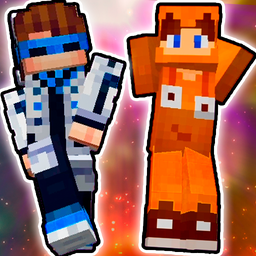
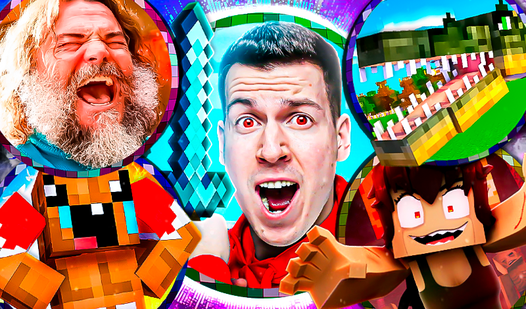
Bloggers Dances Mine! Loloshka, Vladus, Kompot
Staring at the clock during a dull afternoon is the worst, but you can instantly shake off that boredom with a few clicks. Bloggers Dances Mine! Lolos...
▶ Play FreeMeme Dance Games: How the Rules Shift
Meme-based dance games have their own flavor of rules. These games pull from viral internet culture — popular dances, recognizable characters — and they lean hard into recognizability as part of the reward system. You're not just learning mechanics; you're unlocking content you already know and love.
In Bloggers Dances Mine!, for example, you're unlocking dances from actual popular bloggers in a Minecraft-style world. The progression rules are built around collecting rather than competitive scoring — you complete challenges or reach milestones to unlock the next creator's signature move.
The "rules" here are softer: explore, unlock, perform. But there's still a progression gate — you can't skip to the rarest dances without putting in time. Patience and exploration are your primary tools.
Strategies and Tips for Dance Games
For Rhythm-Based Dance Games
Start slower than you think you need to. Most rhythm games let you choose difficulty. Even if you're confident, start one level below what you expect to handle. Muscle memory for the correct timing is built correctly by hitting notes right, not by barely scraping through a harder difficulty with constant misses.
Use visual anchors, not audio cues. Counterintuitive but true: don't try to "feel" the beat and react to it. Your reaction time is too slow for that. Instead, read the incoming notes visually — anticipate them a half-second ahead and prepare your fingers before the note arrives. Your audio perception confirms you hit right; it doesn't trigger the hit.
Turn off the volume the first time through a hard section. Seriously. Audio can be distracting when you're trying to memorize a complex pattern. Mute the game, play through the hard section focusing purely on the visual pattern, then turn the sound back on once you've got the movements down.
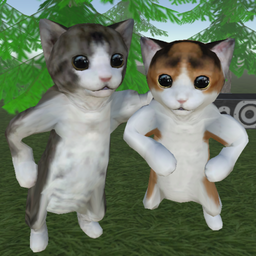
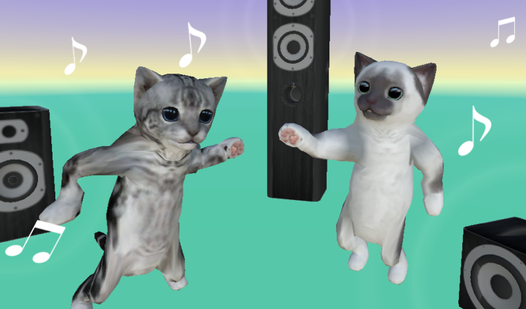
Cat Dance Club
Staring at a blank screen while waiting for your next meeting or class to start is a total drag. Cat Dance Club is the ultimate fix for those midday s...
▶ Play FreeFor Dance Battle Games
In Cat Dance Club, you're going head-to-head in dance battles against cats (yes, cats). The strategic layer here involves reading your opponent's style and countering it with the right move type. High-energy moves beat flashy ones; technical precision beats raw power. Understanding the move-type triangle — if there is one — is your first research task when starting any battle dance game.
General battle strategy:
- Don't lead with your strongest move. Opponents often have counters ready for the obvious opener.
- Watch for timing windows where your opponent is "recovering" between big moves — those are your moments to land a high-damage sequence.
- If the game has stamina/energy bars, never let yours hit zero. It's better to play one medium-power move than exhaust yourself going all-in.
For Clicker and Idle Dance Games
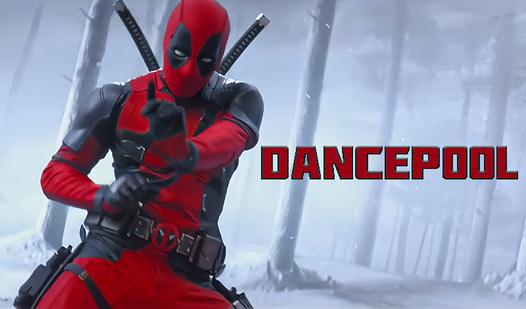
Idle dance games like Dancepool run on a different set of rules entirely. Your main strategy is optimization: which unlocks give the best return per click? Early-game, almost everything is worth unlocking. Mid-game, you start hitting diminishing returns. The meta-strategy is to identify the upgrade that multiplies your output the most and save your currency for it rather than spreading points across everything evenly.

Dancepool
Fans of rhythmic clicker games will lose themselves in the chaotic energy of Dancepool as they tap to the beat. This addictive experience turns every ...
▶ Play FreePrestige mechanics (resetting your progress for a permanent bonus) appear in many clicker-style dance games. New players often wait too long to prestige. As a rule of thumb: if your progress has noticeably slowed and you can prestige for a 2x or better bonus, take it. The reset hurts psychologically but accelerates your total progress.
For Obby-Style Dance Games
Obstacle course dance games blend platformer skill with dance aesthetics. Your movement precision matters more than your sense of rhythm here. Key tips:
- Patience beats speed. Running through sections recklessly causes more deaths than taking them methodically. Know where the safe zones are before you sprint.
- Chair battle sections (a mechanic in some obby dance games) require reading other players' movements rather than the environment. Position yourself to grab open chairs and avoid getting caught out when the music "stops."
- Customize early. Your character's style in these games often affects how other players perceive and interact with you in social lobbies, which can be part of the fun.
Best Free Dance Games on FreeJoy
Now for the best part: here are the top free Dance games you can play online right now, no registration, no downloads.
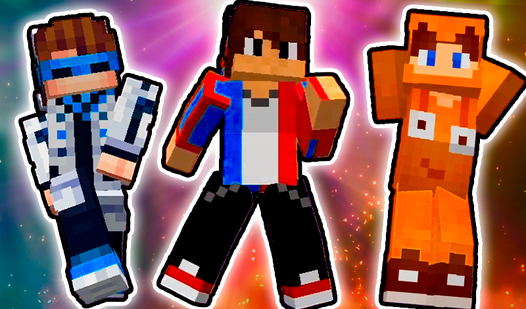
Mine Dancing! Vladus & Lenya!
A blocky, Minecraft-aesthetic dance game featuring beloved content creator characters. The appeal is the combination of familiar visual style with fun dance sequences. If you know Vladus, Lenya, FixEye, or Kompot from their online content, seeing them bust moves in a pixelated world hits differently.
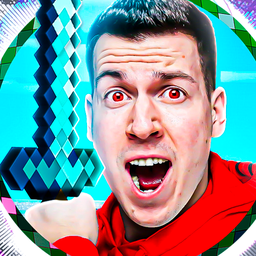
Mine Dancing! Vladus & Lenya! FixEye, Kompot!
Staring at the clock waiting for your shift to end or just need a quick mental reset from your daily grind? Mine Dancing! Vladus & Lenya! FixEye, Komp...
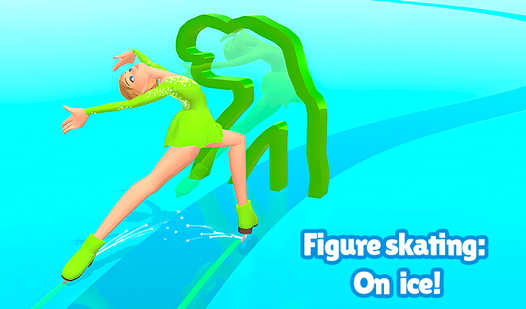
▶ Play FreeFigure Skating: On Ice!
Not a traditional "dance" game, but figure skating is performance on ice — it's dance with blades. This game captures the graceful, scored-performance feel of competitive figure skating. You're timing movements for maximum artistic impression, which scratches exactly the same itch as dance games for a significant chunk of players.
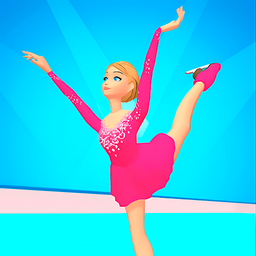
Figure skating: On ice!
Fans of rhythmic challenges and graceful movement will find Figure skating: On ice! to be their new favorite digital escape. This charming title captu...
▶ Play FreeIdol Livestream: Doll Dress Up
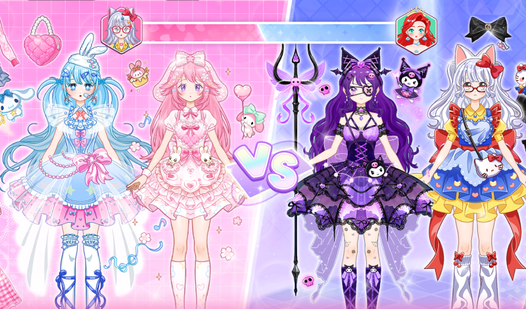
Part dress-up game, part performance simulator. You're building an idol persona — styling your character, choosing outfits suited to different performance themes, and building a streaming presence. Dance is the backbone of the idol genre, and this game captures that world.
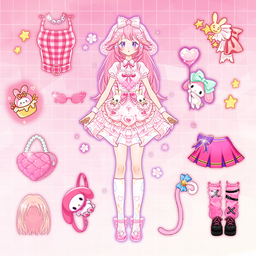
Idol Livestream: Doll Dress Up
Transform your digital avatar into a global sensation by curating the trendiest outfits for every broadcast. You start by selecting unique hairstyles,...
▶ Play FreeMermaid Muse
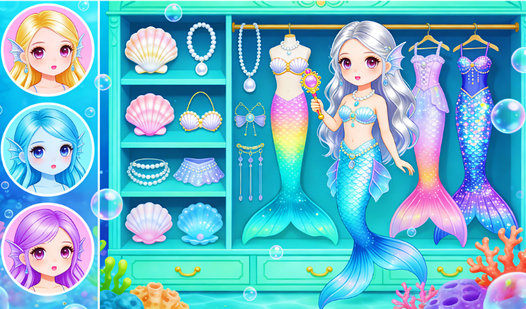
Creative, fantasy-themed, and surprisingly deep. Mermaid Muse takes dance performance into an underwater aesthetic. Great for players who love the creative and expressive side of dance games more than the competitive or reflex-based mechanics.
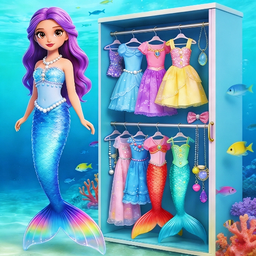
Mermaid Muse
Customizing ethereal aquatic creatures allows you to unleash your inner artist in Mermaid Muse. Players select every detail from iridescent scales to ...
▶ Play FreeGirls Dress Up
A fashion and performance crossover that ties character styling directly into dance culture. Much of contemporary dance — especially competitive dance — is as much about the look as the moves. This game leans into that truth.
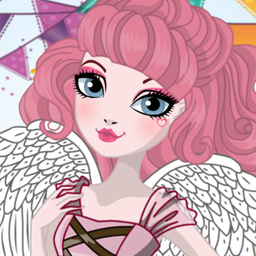
Girls Dress Up
Staring at the screen during a dull afternoon break is a recipe for frustration when you need a creative escape. Girls Dress Up provides the perfect r...
▶ Play FreeTile Match: Around the World
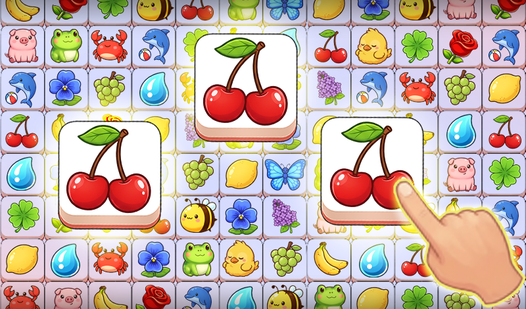
A puzzle game with a globe-trotting theme that surfaces in the dance game world because of its rhythmic, pattern-matching mechanics. If you love the pattern-recognition element of rhythm games but want something more puzzle-paced, this is your crossover title.
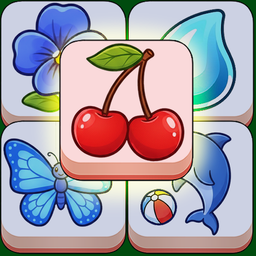
Tile Match: Around the World
Matching games remain the ultimate way to sharpen your cognitive focus while unwinding after a long day. Tile Match: Around the World elevates this ex...
▶ Play FreeAdvanced Tips: Getting Consistently Good at Dance Games
Beyond the basics, here's what separates players who plateau from players who keep improving:
Build Physical Consistency
For any game requiring timed inputs, inconsistency in your physical setup kills your performance. Use the same device settings, the same posture, the same finger positioning every session. Switching between touchscreen and keyboard mid-week will reset your muscle memory calibration.
Record and Review
If you're playing competitive rhythm games and want to improve specific sections, record your gameplay. Watching yourself play is uncomfortable but effective — you'll spot hesitations, missed visual cues, and bad habits that you can't perceive in the moment.
Understand the Scoring System Completely
This sounds obvious but most players never fully read the score breakdown. Does a "Perfect" give 100 points or 300? Does a "Miss" subtract from your score or just end your combo? Does the game score on accuracy percentage or raw note count? Understanding the exact math lets you make smart decisions — like whether it's worth replaying a song or moving to a harder one for better rewards.
Play in Short Focused Sessions
Dance games build reflex memory, and reflex memory is built in focused bursts, not marathon grinds. 30 minutes of concentrated practice beats 3 hours of casual play every time for actual skill development. If you're in "zone out and have fun" mode, that's completely valid — just don't confuse it with practice.
Challenge Other Game Types
The best dance game players diversify. Rhythm game players benefit from playing tile-match puzzle games that train pattern recognition. Obby players improve by trying standard platformers. Battle dance fans get sharper by playing card games that train resource management. Cross-training translates.