How to Play Combat: Rules, Tips & Free Games
If you've ever wondered how to play Combat and what makes this genre so addictive, you're in the right place. Combat games have been around since the earliest days of gaming, and today they span dozens of subgenres — from pixel shooters and aerial battles to tactical brawlers and even puzzle hybrids. Whether you're throwing punches in a blocky sandbox world, dogfighting through post-apocalyptic skies, or tapping your way through a hamster arena, the core appeal stays the same: skill beats luck, and the better you understand the rules, the more fun you have.
This guide breaks down everything — the fundamentals of combat mechanics, winning strategies, and the best free Combat games you can play right now without registration.
What Is Combat — and Why Does Everyone Love It?
At its core, a combat game is any game where conflict between characters or units is the primary mechanic. That conflict might be one-on-one (fighting games), team-based (shooters, tactical games), or survival-based (you vs. waves of enemies). What unites them all is a loop: read the situation, make a decision, execute, survive.
The genre exploded in the 1970s with Atari's Combat — a tank and airplane battle game that shipped with every Atari 2600. It was dead simple: two players, projectiles, walls. No health bars, no upgrades, just pure positional thinking. That original Combat taught players something that still holds today — positioning and timing beat raw aggression every single time.
Modern Combat games layer complexity on top of that foundation. You get upgrade trees, combo systems, AI enemies with behavior patterns, and environmental hazards. But the soul is the same.
Rules and Basics: How Combat Games Are Structured
Before mastering strategy, you need to understand the universal rules that govern nearly every combat game:
Health and Damage
Most combat games use a health (HP) system. When your HP hits zero, you're out — either eliminated from the round, sent back to a checkpoint, or forced to restart. Damage comes from attacks, traps, collisions, or time limits. Some games use a percentage system (knock opponents off-screen), others use fixed HP bars, and a few use one-hit-kill mechanics for maximum tension.
Turn Structure vs. Real-Time
Combat games split into two big camps:
- Real-time combat — everything happens simultaneously. You attack, dodge, and react in the moment. Reaction speed and muscle memory matter.
- Turn-based combat — you and the opponent alternate actions. Strategic planning matters more than reflexes.
Most browser and mobile combat games lean real-time, but tactical hybrids are common.
Win Conditions
Know how you win before the match starts:
- Elimination — last player or team standing wins
- Score — most kills or points in a time limit
- Objective — capture a point, destroy a structure, survive waves
- Puzzle — some combat games have a clear-solution puzzle format (yes, this includes combat Mahjong!)
Attack Types: Know Your Arsenal
Almost every combat game gives you at minimum:
- Primary attack — fast, low damage, unlimited use
- Special/heavy attack — slower, high damage, often has a cooldown or resource cost
- Defensive move — block, dodge, parry, or shield
The skill gap between beginner and advanced players usually lives in defensive moves. Beginners spam attacks; experienced players use defense to create openings.
How to Play Combat: Core Mechanics Explained
Let's get specific. Here are the mechanics you'll encounter across the most popular Combat game formats — and how to handle each.
Brawlers and Fighting Games
In brawler-style games, close quarters are everything. You need to:
- Control space — don't let opponents corner you. Move around constantly.
- Bait attacks — let the enemy commit to an attack, then punish the recovery frames.
- Combo awareness — most brawlers reward chaining attacks. Learn 2-3 reliable combos rather than mashing buttons hoping something works.
- Don't panic-mash — when taking damage, players often mash all buttons. This almost always extends your vulnerability instead of escaping it.
Blocks Combat Fight Simulator: Draw Strike! is a fantastic example of this. Instead of a traditional button layout, you draw attack paths on screen — which forces you to think about angle and reach before committing, rather than just hammering an attack button. It's surprisingly deep once you realize that a diagonal slash beats a straight punch in specific situations.
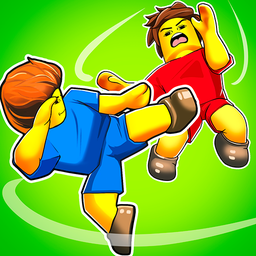
Blocks Combat Fight Simulator: Draw Strike!
Sketch your own path to victory by drawing precise attack lines that dictate your fighter's every move in Blocks Combat Fight Simulator: Draw Strike!....
▶ Play FreeShooter Mechanics
For shooter-type combat games, the fundamentals shift:
- Crosshair placement — keep your aim at head level and in likely enemy positions before the enemy appears. Pre-aim beats reaction aim.
- Cover usage — move from cover to cover. Never run in open space longer than necessary.
- Reload timing — reload after eliminating a threat, not during one. Many players get killed mid-reload because they forgot an enemy was nearby.
- Sound and visual cues — most shooters have directional sound or muzzle flash indicators. Use them to locate enemies before they locate you.
Drawing and Gesture-Based Combat
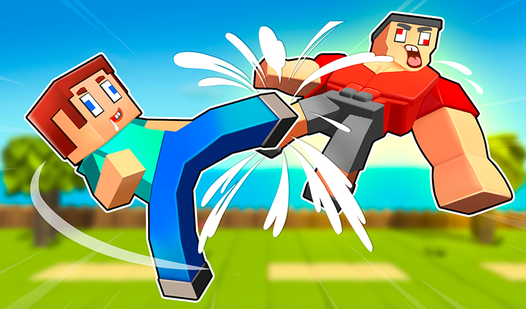
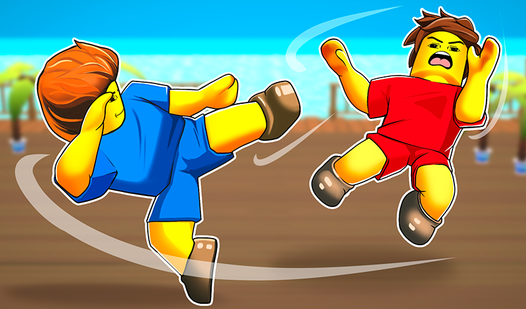
A newer subgenre worth highlighting: gesture-based combat. Games like Block World Combat! Draw Noob's Super Punch! use touch or mouse gestures to define attacks. The trick here is learning the gesture-to-outcome mapping. Draw too fast and you lose precision; draw too slow and the enemy hits you first. The sweet spot is a deliberate, accurate gesture at medium speed.
This style teaches something traditional buttons don't: intentionality. You can't spam your way to victory when every attack requires a conscious drawing motion.
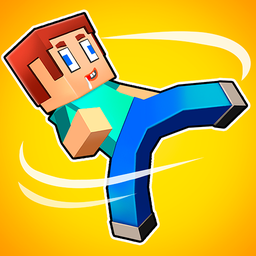
Block World Combat! Draw Noob's Super Punch!
Mastering the perfect strike is an art form that separates the champions from the defeated in the blocky arena. Block World Combat! Draw Noob's Super ...
▶ Play FreeCombat Strategies: How to Actually Win
Knowing the mechanics is the baseline. Winning consistently requires strategy. Here's what separates good players from great ones:
1. Resource Management
Every combat game has a scarce resource — ammo, mana, stamina, or cooldowns. Players who run out of resources in a critical moment lose. The habit to build: always leave a reserve. Don't fire your entire magazine before an expected engagement. Don't use your special move the second it comes off cooldown.
2. Read the Enemy Pattern
Most enemies — especially AI — have patterns. Watch what they do before engaging. Even in PvP, humans develop habits. If an opponent always dodges left, start aiming left preemptively. If they always open with a heavy attack, be ready to block and punish.
3. Environment as a Weapon
Walls, platforms, obstacles — these are tools, not just scenery. You can use:
- Walls to funnel enemies into chokepoints
- High ground for line-of-sight advantages
- Obstacles to break enemy lock-on or AI pathfinding
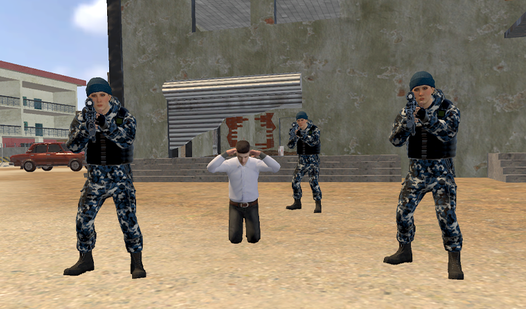
Broken City Combat is a great sandbox for practicing environmental awareness. The city ruins create natural chokepoints and vertical layers — players who use the rooftops and alleys win far more often than those who fight in the open streets.
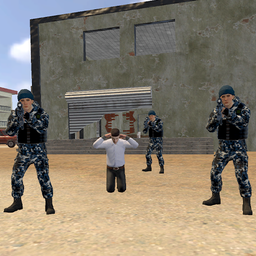
Broken City Combat
Clear out waves of hostile forces as you navigate the gritty streets of a war-torn urban landscape in Broken City Combat. This high-octane fps challen...
▶ Play Free4. Upgrade Prioritization
In games with upgrade trees, don't spread points evenly across all stats. Pick a playstyle — aggressive, defensive, ranged — and commit to it. A fully upgraded offense stat beats three half-upgraded stats every time in the early-to-mid game.
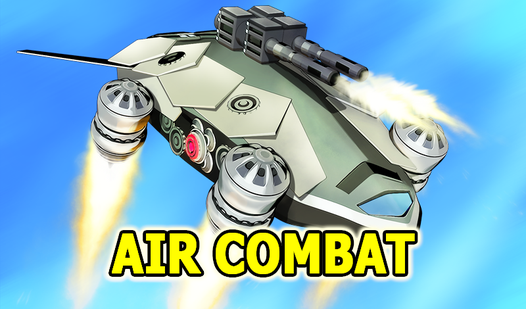
Air Combat makes this explicit: your airship's upgrades determine your entire playstyle. If you invest in speed and agility, you play a hit-and-run game. If you go heavy armor and firepower, you brawl at close range. Mixing both early on usually means you're mediocre at both.
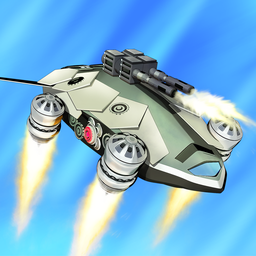
Air Combat
Staring at a blank screen during a midday slump is the fastest way to lose your momentum. Air Combat is the ultimate remedy for boredom, turning your ...
▶ Play Free5. The Mental Game
Tilt — getting emotionally flustered after a loss — is one of the biggest killers of performance. Signs you're tilting:
- Moving faster and more recklessly than usual
- Skipping defensive plays
- Taking obviously bad trades out of frustration
The fix is simple but requires discipline: pause after a loss and identify one specific mistake. Not "I played badly" — that's not actionable. Find what exactly went wrong and how to avoid it next time.
Best Free Combat Games to Play Right Now
Now that you have the theory, let's put it into practice. All games below are free, no download required.
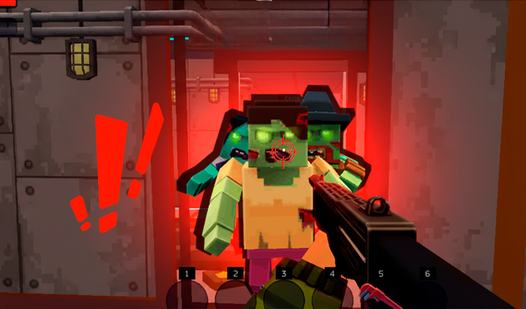
Pixel Combat - Zombies Strike
Perfect for applying everything about survival combat mechanics. You're defending against zombie waves, which means resource management (ammo is limited), positioning (let enemies funnel through narrow spaces), and upgrade prioritization all come into play simultaneously. The pixel art style is charming, but don't let it fool you — later waves require genuine tactical thinking.
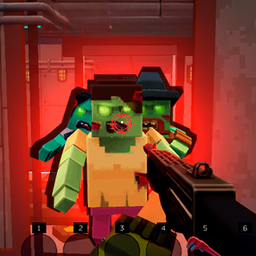
Pixel Combat - Zombies Strike
Surviving a pixel zombie apocalypse demands more than just quick reflexes when the undead are scratching at your barricaded doors. Pixel Combat - Zomb...
▶ Play FreePirate Ships: Build and Fight
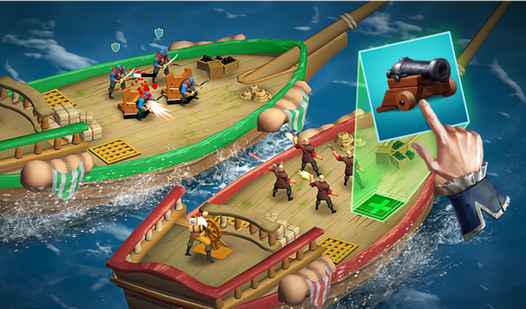
Combines construction and combat in a way that makes you think about offense and defense before the fight even starts. Your ship's layout determines both your attack angles and your vulnerabilities. A well-placed cannon battery with a bad hull design loses to a mediocre cannon setup on a sturdy, maneuverable ship.

Pirate Ships: Build and Fight
Ahoy, matey! If you crave the thrill of naval warfare and the freedom of the open sea, Pirate Ships: Build and Fight is your ultimate destination. Co...
▶ Play FreeCS: Shooter
For players who want to practice the fundamentals of tactical shooter play: crosshair placement, peeking corners, and economy management. The format is close to classic tactical shooters — rounds, buy phases, bomb objectives — so habits you build here transfer directly to more complex games.
Army Evolution: Merge & Tactics
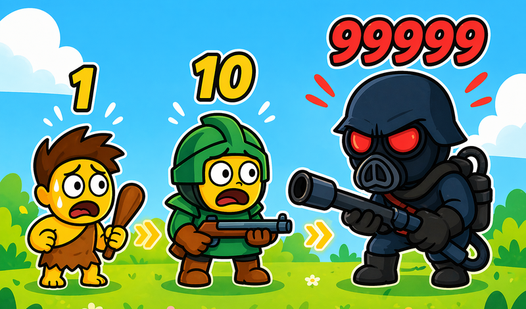
A merge-based tactical combat game where you combine units to create stronger fighters. The strategic layer here is genuinely interesting — it's not just about merging the highest-tier units, but about managing the types of units you field based on what you're facing. Rock-paper-scissors dynamics between unit types mean composition beats raw power.
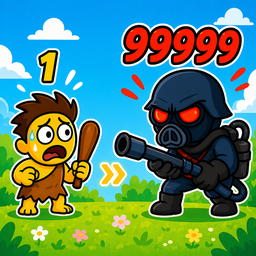
Army Evolution: Merge & Tactics
History comes alive on the battlefield as you command forces ranging from ancient knights to high-tech robots in Army Evolution: Merge & Tactics. Mast...
▶ Play FreeKS 2 Snipers
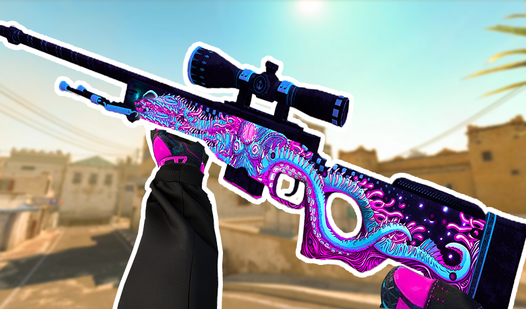
Sharpshooter gameplay that rewards patience over aggression. You need to account for range, anticipate movement, and wait for the right moment rather than immediately taking the shot. One of the better free games for training the counter-intuitive habit of doing nothing until the situation is right.
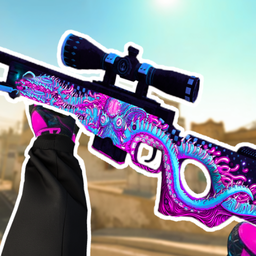
KS 2 Snipers
Staring at the clock waiting for your shift to end or just need a sharp distraction from your daily routine? KS 2 Snipers delivers the high-octane thr...
▶ Play FreeHow to Play Combat Games on FreeJoy
All the games above are available free on FreeJoy.games. No account needed, no app to install — just click and play. The catalog covers every combat subgenre: brawlers, shooters, aerial combat, tactical puzzles, survival, and more. If you finish one and want something similar with a twist, the related games section on each game page pulls from the same tags.
A few practical tips for playing combat games in your browser:
- Use a mouse for shooters — touchpad aiming at anything faster than slow movement is painful
- Full-screen mode reduces visual distractions and gives better frame clarity
- Check the controls before starting — most games show keybinds on the loading screen or in the pause menu; knowing them before the first enemy appears saves a lot of early deaths
Army Evolution: Merge & Tactics
History comes alive on the battlefield as you command forces ranging from ancient knights to high-tech robots in Army Evolution: Merge & Tactics. Mast...
▶ Play Free