How to Play Bow: Rules, Tips & Free Games
If you've ever wondered how to play Bow games online, you're in the right place. Archery-style games built around the bow mechanic have exploded in popularity — and for good reason. They blend precision, timing, and just the right amount of physics to make every shot feel satisfying. Whether you're lining up a perfect arc shot across the map or scrambling to outshoot a rival in a fast-paced arena, bow games reward patience and practice in equal measure.
This guide covers everything: what bow games are, the core rules that govern most of them, strategies that actually work, and a curated list of the best free bow games you can play right now, no downloads required.
What Are Bow Games?
Bow games are a category of browser and mobile games centered on archery mechanics — aiming, drawing, and releasing arrows to hit targets, enemies, or objects. The genre ranges from calm puzzle-style games where you guide arrows around obstacles, to intense PvP shooters where you face off against other archers in real time.
The appeal is universal. Unlike shooting games that lean on twitch reflexes and rapid-fire mechanics, bow games introduce a layer of trajectory calculation. You're not just pointing and clicking — you're reading the environment, estimating distance, accounting for gravity, and timing your shot. That's a satisfying skill loop that keeps players coming back.
Most bow games fall into one of three categories:
- Archery simulators — Focus on accuracy, distance, and bullseye scoring. Often involve wind and physics.
- Combat archery games — PvP or PvE battles where your bow is your primary weapon. Timing and movement matter as much as aim.
- Puzzle archery games — You use arrows as tools to solve environmental puzzles — bouncing off walls, hitting switches, guiding characters to safety.
Each type has its own rhythm and skill set. The more you play across categories, the more your overall bow game ability grows. Let's break down the fundamentals that tie them all together.
How to Play Bow: The Core Rules
Understanding how to play Bow games starts with the shared mechanics that nearly every entry in the genre uses. While each game has its own twist, these fundamentals apply broadly.
Aiming
Most bow games use a click-and-drag or hold-and-release mechanic. You click (or tap) on the screen, hold the mouse button (or finger), drag in the opposite direction of where you want to shoot, and release. The longer you hold, the more power behind the shot — but too much power and you overshoot.
Some games show an aim assist trajectory line. Others don't, forcing you to estimate the arc yourself. The more you play, the more you internalize how trajectories work under different conditions.
Draw Power
Draw strength determines how far and fast your arrow travels. In most games, this is controlled by how far you drag back before releasing. At low power, the arrow drops quickly due to gravity simulation. At high power, it travels flatter and faster but costs more stamina in games that track it.
Finding the right draw for each range is a core skill. Close targets? Light draw. Long-distance shots? Full draw with a slightly raised aim point to compensate for arc drop.
Gravity and Wind
More realistic bow games simulate gravity drop and wind effects. Gravity means the arrow curves downward over distance — aim slightly above your target at long range. Wind adds lateral drift that shifts the arrow sideways mid-flight. Some games display a wind indicator; others make you diagnose the drift from watching where your previous shots landed.
Obstacles and Ricochet
Puzzle bow games often feature walls, platforms, and interactive objects. Arrows can bounce off hard surfaces or stick into soft ones depending on material. Understanding the ricochet angle — angle in equals angle out — opens up shot paths you wouldn't think of on first glance.
How to Play Bow: Strategies That Actually Work
Once you have the basics down, these strategies will separate you from average players across every bow game type.
1. Control Your Release Timing
In combat archery games, there's a moment when you're most accurate — right when you've reached full draw but haven't started shaking from holding too long. In games with a hold-timer mechanic, learn that window and release consistently within it.
This sounds simple, but in the heat of battle, players rush shots or hold too long and miss cleanly. Discipline here alone will improve your accuracy noticeably within a few sessions.
2. Lead Moving Targets
This is the classic mistake new players make — aiming directly at a moving target. By the time your arrow travels there, the target has moved. You need to shoot where they're going, not where they are.
The distance to lead depends on how fast the target moves and how far away they are. Practice this in games with moving enemy waves. The mental math becomes automatic quickly; within a dozen rounds, you start predicting the lead without consciously calculating.
3. Use High Ground
In arena bow games, elevation is a significant advantage. Higher positions give you a wider view, make your shots harder to predict, and often add drop momentum to your arrows. Claiming elevated terrain is almost always worth sacrificing some cover lower down.
The tradeoff is exposure — you're more visible from higher up. But the shooting advantage typically outweighs that risk, especially if you stay mobile on your elevated position rather than camping a single spot.
4. Don't Stand Still
If you're in a multiplayer bow game, standing still is asking to get shot. Keep moving laterally — side to side — while tracking your target. It makes you dramatically harder to hit without significantly affecting your aim, since bow games usually let you aim independently of movement direction.
Strafing patterns that change rhythm are harder to lead than consistent ones. Mix up your pace — burst, stop, burst — to break opponents' targeting habits.
5. Combo the Environment
In puzzle archery games, look for chain opportunities. A single arrow can hit a switch that drops a platform that knocks an enemy into a pit. These multi-step reactions are usually the intended solution. If something feels excessively difficult with direct shots, you're probably missing the environmental chain.
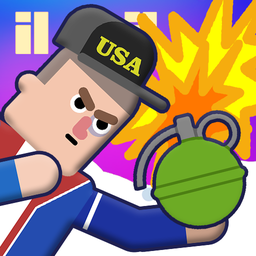
Hit Archery Masters: Bow Fighting
Master the art of projectiles in Hit Archery Masters: Bow Fighting as you launch everything from simple bricks to explosive grenades at your rivals. Y...
▶ Play FreeReading the Physics
Every bow game has a physics model — some are realistic, others are exaggerated for fun. The key is to calibrate quickly. In your first few minutes with any new bow game, run deliberate test shots:
- Shoot horizontally at a distant target. How much does the arrow drop?
- Shoot at full power versus half power. How different is the arc?
- If there's wind, shoot into it and observe how much drift you need to compensate.
This calibration phase will save you enormous frustration. Don't just play reactively from the start — experiment first, then engage the real challenge.
Some bow games use an almost cartoon physics model where arrows fly in nearly straight lines, drops are minimal, and hits feel immediate. Others lean heavily into simulation, where you genuinely need to arc your shots over obstacles. Knowing which type you're playing shapes your entire approach from the first shot.
Special Arrow Types
Many bow games include special arrow variants beyond the standard shot:
- Explosive arrows — Large area damage but slow travel. Use for crowds, not precise individual targets.
- Piercing arrows — Pass through multiple enemies in a line. Ideal when enemies stack up or funnel through corridors.
- Stun arrows — Lower damage but interrupt enemy actions. Situationally very powerful against charging targets.
- Rope or hook arrows — Used in puzzle games to create traversal paths or pull objects into position.
Managing special arrow ammo is resource management. Most players burn through explosive arrows early and then struggle when they're gone. Use them as finishers or when multiple targets are grouped — not as your opening move on single isolated enemies.
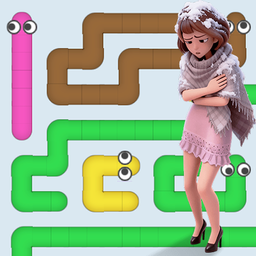
Arrows: Help the Family
Puzzle lovers who enjoy clever brain teasers will find Arrows: Help the Family an addictive challenge for their downtime. You navigate through intrica...
▶ Play FreeMultiplayer Bow Games: Reading Opponents
In PvP bow games, you're not just fighting physics — you're reading another person. A few things to watch:
Their aim position: Most players telegraph where they're going to shoot by visibly rotating toward your position or dragging their draw toward you. Watch for that motion and adjust before they release.
Shot patterns: People fall into rhythms. If someone always shoots right after repositioning, wait for that moment and move during it. If they over-aim and consistently shoot long, position yourself shorter than intuition suggests.
Cooldown windows: Most bow games have a brief delay between shots. That window right after they release is when you should be moving aggressively or counter-attacking. It's a short window but completely consistent — learn to exploit it.
Stamina baiting: In games with a stamina system, you can bait opponents into holding their draw too long by faking a direction change. They waste stamina trying to track you; you dodge cleanly, they're left with a weakened or cancelled shot and a depleted meter.
The longer you play against human opponents, the more you start to recognize individual tendencies. Some players always go for headshots and consistently overshoot. Some always strafe the same direction. These patterns are exploitable, and noticing them early wins rounds.
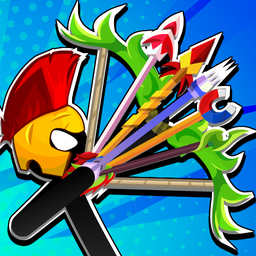
Archer Ragdoll Masters
Aim your bow and release arrows to master the chaotic physics of Archer Ragdoll Masters. Every shot triggers unpredictable ragdoll interactions that t...
▶ Play FreeDefense and Positioning
Even in pure archery games, positioning determines a huge part of your survival. A few principles that consistently hold:
Peek, shoot, hide: Don't stay exposed after releasing. Release your shot, then immediately move back into cover before the opponent can react. This rhythm — peek, shoot, retreat — is the backbone of combat archery survival.
Angle your cover: Position at diagonal angles to your cover rather than directly behind it. This gives you a narrower exposure window when you peek while maintaining a useful shooting angle on a wider area.
Control exits: In arena games, always know where your movement options are. Being cornered near a wall eliminates your dodge options. Keep at least one clear exit path available at all times.
Herd into bad positions: Use shots strategically to push enemies toward walls or corners where their lateral movement is cut off. A trapped archer with nowhere to strafe is dramatically easier to land on than one with open space.
Best Free Bow Games to Play Right Now
Here are the top bow and archery games available on FreeJoy — completely free, no registration needed.
Obby Bow: Archer's Duel
Tournament-style archery duels across obstacle-filled arenas. You need precise timing and spatial awareness to dodge obstacles while lining up your shots. It's a great entry point for learning how to play Bow in a structured competitive format with clear escalating difficulty. The obstacle layouts in later tournaments force genuinely creative shot angles that train arc reading fast.
Hit Archery Masters: Bow Fighting
A combat-focused archery experience that goes head-to-head against rivals with tight bow fighting mechanics. Draw timing, release, and movement all matter here more than in casual archery games. This is the game to play if you want to practice the PvP side of bow gameplay specifically. A progression system that unlocks new bows and upgrades keeps the experience feeling fresh across sessions.
Hit Archery Masters: Bow Fighting
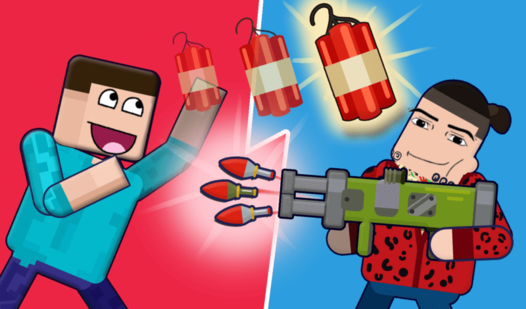
Master the art of projectiles in Hit Archery Masters: Bow Fighting as you launch everything from simple bricks to explosive grenades at your rivals. Y...
▶ Play FreeArrows: Help the Family
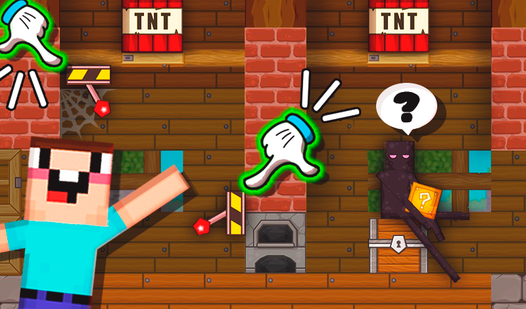
One of the more creative entries in the genre. This puzzle game uses arrows not just as weapons but as tools — guiding them through tight corridors, bouncing them off surfaces, timing releases to trigger chain reactions that help characters navigate dangerous situations. If you're interested in the cerebral side of how to play Bow, this exercises a completely different set of skills than the combat games.
Arrows: Help the Family
Puzzle lovers who enjoy clever brain teasers will find Arrows: Help the Family an addictive challenge for their downtime. You navigate through intrica...
▶ Play FreeArcher Ragdoll Masters
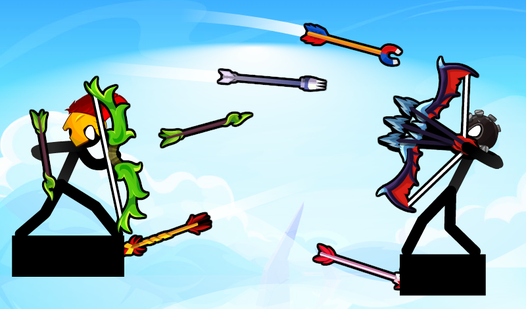
The physics here are deliberately exaggerated and the results are often hilarious. Ragdoll mechanics send characters flying in chaotic ways on every hit. But underneath the chaos, there's genuine archery skill involved — trajectory reading, timing, and shot selection all apply. It's a lighter take that still builds real mechanical intuition, and it's genuinely one of the more addictive entries in this list.
Archer Ragdoll Masters
Aim your bow and release arrows to master the chaotic physics of Archer Ragdoll Masters. Every shot triggers unpredictable ragdoll interactions that t...
▶ Play FreeNoob Vs Monsters & Zombies
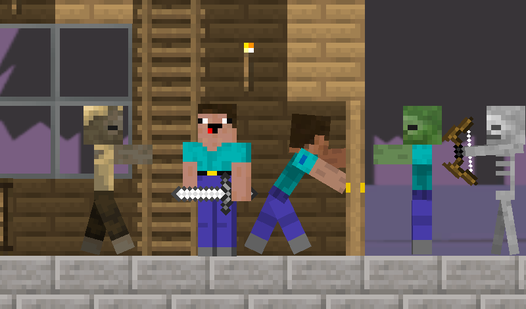
Defense archery at its best. You play as an archer holding back escalating waves of monsters and zombies. The bow is your primary lifeline — you need to manage draw speed, prioritize targets, use special arrows at the right moments, and hold your ground under pressure. This is excellent for practicing the defensive positioning and resource management principles covered earlier.
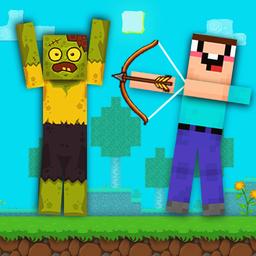
Noob Vs Monsters & Zombies
Fans of strategic archery challenges will love putting their aim to the test in Noob Vs Monsters & Zombies. You take on the role of a skilled archer t...
▶ Play FreeMore Bow and Archery Games
Looking for more? Here's a selection of additional archery and combat games on FreeJoy:
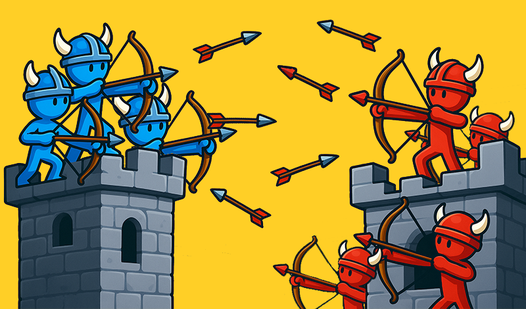
Archers Heroes: Castle War — Defend your castle with a team of archers against incoming siege waves. It combines tower-defense logic with active archery gameplay, which means you're constantly making prioritization decisions alongside aiming.
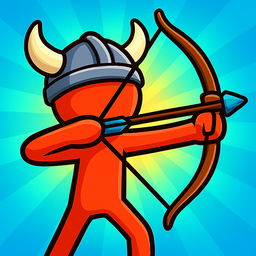
Archers Heroes: Castle War
Tactical strategy fans and archery enthusiasts will find endless excitement in Archers Heroes: Castle War as they defend their territory against waves...
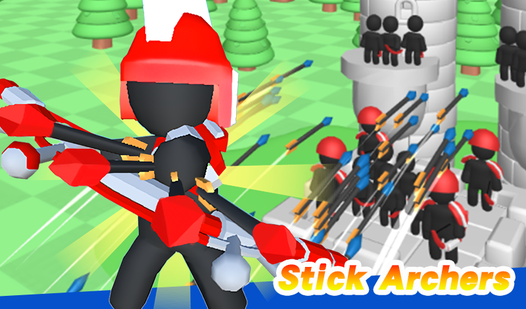
▶ Play FreeStick Archers — Clean, minimal stickman-style archery battles. Fast to pick up, fast to play, and genuinely competitive in short sessions.
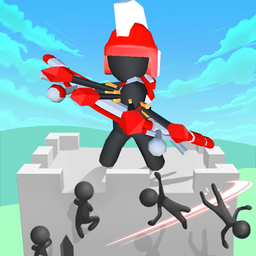
Stick Archers
Staring at a blank screen during a short break is a recipe for boredom when you could be dominating the battlefield instead. Stick Archers is the ulti...
▶ Play FreeRaid Heroes: Total War — Large-scale battles where archer units play a key strategic role alongside melee and magic forces. Excellent if you enjoy thinking about archers as part of a broader tactical picture rather than as the lone hero.
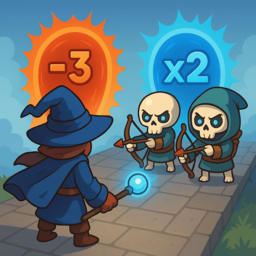
Raid Heroes Total War
Command your elite squad of warriors to defend the kingdom from the encroaching forces of the Dark Lord. Raid Heroes Total War forces you to carefully...
▶ Play FreeRaid Heroes: Sword and Magic — The RPG-flavored sibling. Bow-wielding heroes have distinct special abilities and can be built around interesting synergies that reward thoughtful play over reflexes.
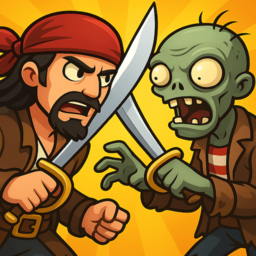
Raid Heroes: Sword and Magic
Staring at the clock waiting for your shift to end or just need a mental escape during a dull afternoon? Raid Heroes: Sword and Magic is the perfect d...
▶ Play FreeNoob and Pro: Survival Together — Co-op survival where ranged support with a bow is crucial to keeping both characters alive through escalating threats. Good for practicing target prioritization under pressure while also coordinating with a partner.
Noob and Pro: Survival Together
Fans of survival challenges and blocky worlds will feel right at home with Noob and Pro: Survival Together. This engaging adventure tasks you with nav...
▶ Play FreeImproving Over Time
Bow games have a rewarding skill curve. Early on, every miss teaches you something about the physics and timing of a specific game. As you play more, patterns start clicking into place — you begin predicting arrow paths before releasing, reading opponents before they act, and choosing positions instinctively rather than consciously.
A few habits that accelerate improvement specifically:
Analyze misses, not just hits: After each failed shot, identify specifically why it missed — too much power, wrong aim angle, rushed release, not accounting for wind. Identifying the specific cause means you can correct it directly rather than just trying harder with no adjustment.
Play across bow game types: Combat archery, puzzle archery, and simulation archery all build different skills that cross-pollinate in useful ways. A puzzle archery player develops trajectory reading that carries directly into PvP. A simulation player develops patience and calibration habits that improve combat aim. The most complete bow game players have touched all three types.
Set concrete session goals: Instead of "play better," aim for something measurable like "land 10 moving-target shots in a row" or "complete a level without missing." Specific goals accelerate skill development faster than vague grinding because they force you to actually notice whether you're hitting them.
Work through the tutorial: Bow games frequently pack advanced mechanics into tutorials that players skip past. Take the few minutes — there's almost always at least one non-obvious interaction that changes how you approach the whole game. The ricochet angle rules in puzzle games, the wind compensation system in simulators, the stamina window in PvP — these often live in the tutorial and nowhere else.
The ceiling in bow games is genuinely high. Players who've put serious time into the genre make shots that look impossible to newcomers — threading arrows through gaps a few pixels wide, banking off three walls in sequence, leading fast-moving targets with casual confidence. That level is reachable with deliberate practice, not just time played.