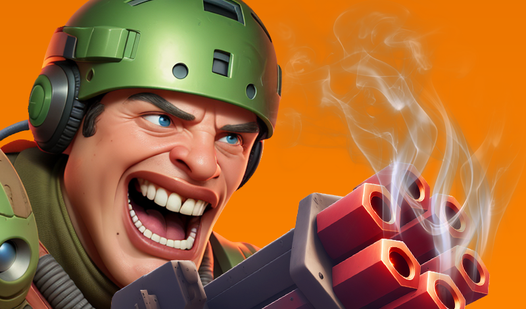
How to Play Bloody Games: Rules & Strategies
If you've landed here looking to get serious about how to play Bloody games, you're in the right place. This guide covers the genre from the ground up — what Bloody games actually are, how the rules work across most titles, the strategies that separate decent players from great ones, and a list of the best free Bloody games you can jump into right now, no account needed.
The Bloody genre is one of the most satisfying corners of online gaming. Enemies react, ragdolls fly, explosions chain together, and every kill feels tactile in a way that cleaner, more sanitized games can't match. But there's real skill underneath the chaos. Let's get into it.
What Are Bloody Games?
The "Bloody" label covers a broader genre than most people realize. At its core, a Bloody game is any title where combat damage is visible and expressive — enemies don't just disappear on death, they fall apart, ragdoll across the screen, react to physics, or splatter satisfyingly. The category includes:
- Classic first-person shooters with gore effects and destructible enemies
- Ragdoll sandbox games where physics interactions create emergent chaos
- Wave survival titles where increasingly dangerous enemies require escalating response
- Action platformers where melee and ranged combat combine with heavy feedback
What ties them together is feedback quality. A well-designed Bloody game makes every hit feel meaningful. Ragdoll physics are a huge part of this — when an enemy flies backward from a shotgun blast and bounces off a wall, it communicates power in a way that a simple "enemy disappears" animation never could.
The genre traces its roots back to id Software's original Doom — a game so shocking for its time that it sparked congressional hearings in the United States. Today, that DNA lives on in browser-based Bloody games that deliver the same visceral satisfaction in a lightweight format that runs in any modern browser.
One important thing to understand: Bloody games and horror games are different experiences. Horror games use gore to create dread and discomfort. Bloody action games use it to create empowerment. The tone is usually faster, louder, and often has a comedic edge — especially in ragdoll physics games, where the slapstick quality of exaggerated death animations keeps things entertaining rather than oppressive.
The genre also has an accessible skill curve. Most Bloody games are designed so you can start playing within 30 seconds and have a reasonable experience. Mastery, though, takes real effort — and that's what this guide is for.
How to Play Bloody Games: Basic Rules
Learning how to play Bloody games starts with understanding the shared mechanics that run across most titles. While every game has its own systems, these fundamentals apply almost universally:
1. Know Your Win Condition
Before firing a single shot, check the objective. Bloody games usually fall into one of these formats:
- Eliminate all enemies in a level or arena
- Survive wave X without dying
- Reach a score threshold before time runs out
- Protect an objective while enemies try to destroy it
Each format demands a different mindset. Survival waves prioritize resource conservation. Score attacks reward aggression and combos. Level clears benefit from methodical room-by-room clearing. Identify your format before you play.
2. Learn Your Weapons Before You Need Them
Every weapon in the Bloody genre has a distinct profile. Shotguns deal massive damage up close but lose effectiveness at range and have slow reload times. Rifles reward accuracy and range but eat ammo. Explosives deal area damage but require positioning discipline — blowing yourself up is embarrassingly common for new players.
The mistake most beginners make is hoarding their best weapons "for a tough situation" and then dying before that situation arrives. Use strong weapons consistently. Ammo refills. Your health doesn't always.
3. Health Management Is the Core Skill
In most Bloody games, health regeneration is limited or non-existent. This makes damage avoidance more important than damage output. A player who deals 60% damage but takes zero hits will consistently outperform one who deals 100% damage while taking constant hits.
Learn the attack patterns of common enemy types. Learn which enemy abilities you can dodge by moving laterally versus by jumping versus by ducking. This knowledge compounds over sessions.
4. Read the Environment
Bloody games almost always load their maps with interactive elements: explosive barrels, destructible walls, elevated platforms, hazard zones. These aren't decoration. A single explosive barrel in the right position can eliminate three enemies at once while saving your ammo for the next wave. Always scan a new area for these before engaging.
5. Understand Enemy Types Immediately
Identifying enemy types at a glance changes how you engage. Standard grunts die to anything — shoot them efficiently. Armored enemies need headshots or high-damage weapons, not sprayed fire. Fast enemies require you to lead your shots. Ranged enemies need to be prioritized before they whittle down your health from safety.
Standard Bloody Game Controls
Most browser-based Bloody games follow a consistent control layout:
| Action | Default |
|---|---|
| Move | WASD or Arrow Keys |
| Aim | Mouse |
| Shoot | Left Click |
| Jump | Space |
| Reload | R |
| Switch Weapon | 1-9 or Scroll Wheel |
| Interact / Pick Up | E or F |
Always check the in-game controls menu before your first session — some games add special abilities or change standard keys.
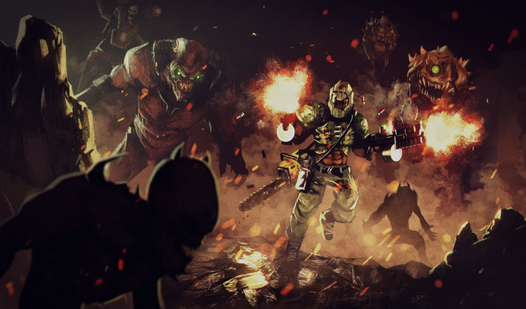
Brutal Pack Doom V10 is one of the best games for internalizing these rules under pressure. It's a heavily enhanced version of Doom featuring realistic dismemberment, challenging enemy AI with improved pathfinding, and a massive weapon roster. Every encounter demands weapon discipline, positioning awareness, and health management simultaneously.

Brutal Pack Doom V10
Tear through waves of demon hordes while experiencing the most intense combat overhaul available in your browser. Brutal Pack Doom V10 transforms clas...
▶ Play FreeBloody Strategies: What Separates Good Players From Great Ones
Once the basic rules click, strategy is where Bloody games get genuinely deep. Here's what actually makes a difference:
Keep Moving — Always
Stationary players in Bloody games are targets. The most effective players maintain constant motion, circling enemies, strafing incoming projectiles, and repositioning between shots. Standing still lets enemies converge on a single point and makes you dramatically easier to hit.
The key is making your movement unpredictable. Enemies in many Bloody games, especially in more sophisticated titles, will lead their shots if you move in a straight line. Change direction randomly. Cut back on yourself. Jump unpredictably. Erratic movement is harder to counter than fast movement.
Threat Prioritization
When multiple enemies rush you at once, don't shoot the nearest one — shoot the most dangerous one. The prioritization order:
- Ranged enemies — they hit you from positions you haven't reached yet, so eliminate them first
- Fast melee enemies — they close distance quickly and can interrupt your attacks
- Slow tanky enemies — deal with them last because their slow movement gives you time
This ordering changes slightly per game, but the logic holds: eliminate threats that limit your options before threats that are simply large.
Resource Map Control
Health packs, ammo drops, and power-ups in most Bloody games spawn in fixed locations. After two or three runs, you should know the map's resource layout. Build your movement path around pickups — not randomly searching for them, but deliberately rotating through known spawn points as they refresh. This is the difference between scrambling for health and always having enough.
Weapon Mastery Over Variety
New players cycle through weapons too quickly, never developing feel for any single one. Pick your primary weapon and stick with it long enough to learn its reload timing, effective range, and damage falloff. Once you've mastered one weapon, adapting to others becomes much faster because you have a baseline for comparison.
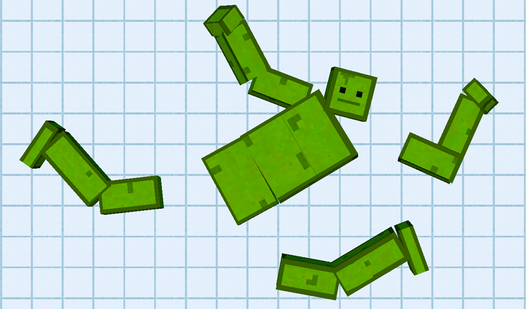
Sorter: Ragdoll Shooter is excellent for practicing these strategies. The ragdoll physics system makes every fight interactive — enemies bounce off surfaces, collide with each other, and create chain reactions you can intentionally set up. Players who understand weapon choice and positioning create spectacular chain kills; players who just spam the fire button survive but don't thrive.

Sorter: Ragdoll Shooter
Fans of chaotic physics games will find their new obsession in Sorter: Ragdoll Shooter. This title blends satisfying combat with hilarious ragdoll mec...
▶ Play FreeEnvironmental Kill Strategies
Environmental kills save ammo and often score bonus points. The technique is consistent across games: position enemies near hazards, then trigger the hazard. Common setups:
- Explosive barrels — shoot them when 2+ enemies are within blast radius
- Cliff edges — knock enemies off elevated terrain with explosions or melee
- Trap activations — many levels have toggleable traps; learn their timing and lure enemies into them
The setup takes patience, but environmental kills reward it. In games with score multipliers, environment kills often count for more than direct kills.
Advanced: Combo Chaining for Score
Most Bloody games with scoring systems reward killing multiple enemies in rapid succession with multipliers. Once you're comfortable surviving, start hunting combos. The setup: let enemies cluster before engaging, then hit them all simultaneously with area damage. This requires the counterintuitive patience of holding fire while enemies bunch together, then timing the area burst perfectly.
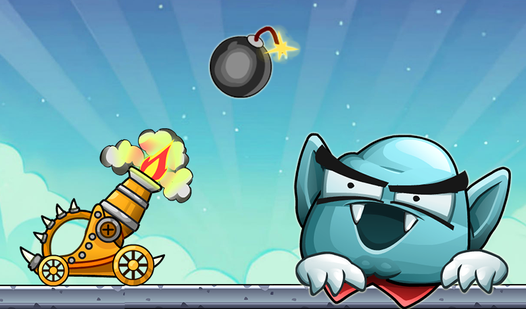
Roly-Poly Monsters is built around this kind of strategic chaos. The physics engine creates compound interactions — hitting one monster can send it into others, triggering a cascade that scores far better than individual kills. Sessions reward creativity: every approach plays differently.

Roly-Poly Monsters
Staring at the clock while waiting for your next meeting is a total drag, especially when you need a quick mental reset. Roly-Poly Monsters is the ult...
▶ Play FreeBest Free Bloody Games on FreeJoy
Here are the top picks across different Bloody game styles, all playable for free:
Absurd Humor + Action
Timokha school is the original! Ragdoll Memes is what happens when a Bloody game stops taking itself seriously — which makes it more entertaining, not less. The meme-driven humor and exaggerated ragdoll animations create fights that are as funny as they are chaotic. Weapons are varied and weird, enemy reactions are absurd, and the whole thing has an anarchic energy that makes each session feel different.
Strategy here follows the same fundamentals — prioritize threats, use the environment, manage resources — but the tone is lighter. The real draw is the emergent comedy when ragdoll physics creates situations no designer could have planned.

Timokha school is the original! Ragdoll Memes
Staring at the clock while work or study drags on is a universal struggle that calls for an instant stress relief session. Timokha school is the origi...
▶ Play FreeOpen Sandbox Destruction
Cat vs Granny! Ragdoll Sandbox removes the structured objectives and just gives you a destructible environment and a ridiculous arsenal. You're playing as a cat with access to weapons that make no physical sense, and that's entirely the point. The sandbox format rewards experimentation over optimization — try everything, see what the physics does, enjoy the results.
There's no wrong approach here, but experienced Bloody game players will still recognize the patterns: weapon testing, environmental interaction, chaining effects for maximum chaos. The sandbox just removes the pressure to do it "correctly."

Cat vs Granny! Ragdoll sandbox
Unleash pure feline mischief by turning a quiet household into your personal destruction zone in Cat vs Granny! Ragdoll sandbox. You control a chaotic...
▶ Play FreeStructured Demonic Action
Rift of Hell - Demons War is for players who want their Bloody games with discipline. Demonic enemies escalate in both number and danger across waves, resource management is strict, and positioning becomes critically important when four different enemy types converge simultaneously. This is a game that punishes the "just shoot everything" approach and rewards patience and planning.

Rift of Hell - Demons War
Staring at the clock waiting for your shift to end or just need a quick adrenaline fix to break the monotony? Rift of Hell - Demons War is the ultimat...
▶ Play FreeZombie Wave Survival
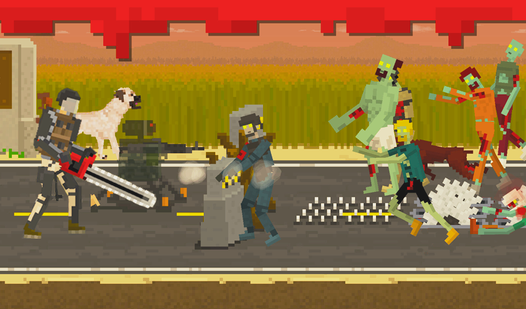
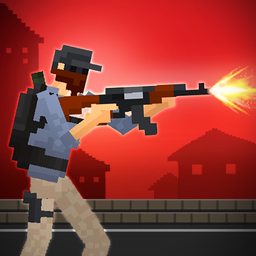
The zombie format remains one of the most proven structures in the Bloody genre, and Zombies Coming executes it well. Runners, tanks, and standard undead create mixed waves that demand real prioritization. Ammo scarcity is the constant pressure — you always feel like you're one bad trade away from running dry.
Zombies Coming
Fans of intense survival action games will find their ultimate challenge in Zombies Coming. This relentless shooter forces you to defend your ground a...
▶ Play FreePrehistoric Twist on Bloody Action
Wildlife 3: Back to the Dinosaurs 3D takes the genre's mechanics and applies them to a prehistoric setting where every enemy is significantly larger and faster than a standard human-scale opponent. The strategic shift is immediate: range becomes paramount, close-quarters engagement is almost always a mistake, and terrain usage for kiting becomes essential. A genuinely different experience within the Bloody game framework.

Wildlife 3: Back to the Dinosaurs 3D
Prehistoric giants once dominated the earth and now they await your arrival in a high-stakes survival challenge. Wildlife 3: Back to the Dinosaurs 3D ...
▶ Play FreeBefore Your First Session: Quick Setup Tips
A few practical notes before you start:
Audio levels first. Bloody games have intense sound design by default — shotgun blasts, explosion chains, hit effects. Set your audio before the first wave, not during it.
Check the settings menu. Most browser games have sensitivity, graphics quality, and control remapping options. Two minutes of setup can meaningfully improve your experience.
Take breaks after 30-40 minutes. Bloody games are designed to spike adrenaline. After sustained sessions, your reaction time and spatial awareness genuinely decline. Short breaks keep your performance consistent.
Play offline modes first if available. Many Bloody games have training modes or lower-difficulty starting options. Use them. Dying repeatedly in the first session because you skipped the basics is demoralizing and avoidable.
Restart freely. Early deaths are information. Every time you die, you learn something — an enemy pattern, a resource location, a weapon's effective range. Don't treat restarts as failures; treat them as data collection.
Community, Score Chasing, and Challenge Runs
The Bloody games community around score optimization and self-imposed challenges is active. Common challenge formats include:
- No health pickup runs — complete a game without touching any health restoration
- Single weapon runs — finish an entire game using only one weapon type
- Melee only — close the distance and never fire a gun
- Speed runs — complete levels as fast as possible, optimizing every decision
These challenges extend the lifespan of games significantly. Once the standard difficulty feels too easy, self-imposed constraints reintroduce the pressure that makes Bloody games engaging in the first place.
If you post clips or compete in specific games, Discord servers and gaming forums built around individual titles are worth checking. The ragdoll physics sandbox games especially have communities dedicated to sharing creative destruction clips — watching experienced players chain environmental kills is both entertaining and genuinely instructive.