Atlantis: The Lost Paradise Review — Tips & Tricks
Atlantis: The Lost Paradise Review
Atlantis: The Lost Paradise review is exactly what you're looking for before spending your afternoon on this game — so here's the honest version. This hidden object adventure builds on one of history's most captivating myths and turns it into a genuinely satisfying browser experience that you can jump into without downloading anything, creating an account, or paying a cent. For what it offers, that's a remarkable deal.
The premise is straightforward and effective: the legendary sunken continent of Atlantis is waiting to be rediscovered, and you're the researcher who's found the first real clue. What starts as a single journal leads you through a series of increasingly elaborate scenes — waterlogged throne rooms, coral-draped archives, crystal-lit laboratories, and treasure halls that make you genuinely curious about what's around the next corner. The mythology isn't weaponized for cheap shock value or overcomplicated lore dumps. Instead, it's used as a framework to justify why each new location looks spectacular and why finding everything in it actually matters to the story.
The artwork is where this game truly earns attention. Every scene is hand-painted with exceptional detail — sunlight fracturing through ocean water above ancient pillars, barnacle-covered statues frozen mid-gesture, luminous sea creatures drifting past carved stone reliefs. The artists clearly understood that a hidden object game only works if players actually want to look at the environments. Rushing through Atlantis: The Lost Paradise feels almost wrong because each scene rewards slow observation.
The audio design supports this atmosphere well. A subtle, ambient soundtrack runs throughout — strings, light percussion, and oceanic ambient sounds that never become intrusive or repetitive. Sound effects when you correctly identify a hidden object are satisfying without being shrill, which sounds like a small thing but genuinely affects how long you can play without fatigue.
The narrative unfolds through readable notes and journal entries scattered across each chapter, plus brief animated sequences at major story beats. Nothing here is going to win a storytelling award, but the writing is functional, thematically coherent, and just mysterious enough to keep you curious. You'll want to know what happened to Atlantis — not just finish the level to tick a box.
The game is free to play in your browser, which remains one of its biggest practical advantages. No installation, no waiting, no version compatibility headaches. This makes it easy to recommend to anyone who's curious about hidden object games without wanting to commit to a download.
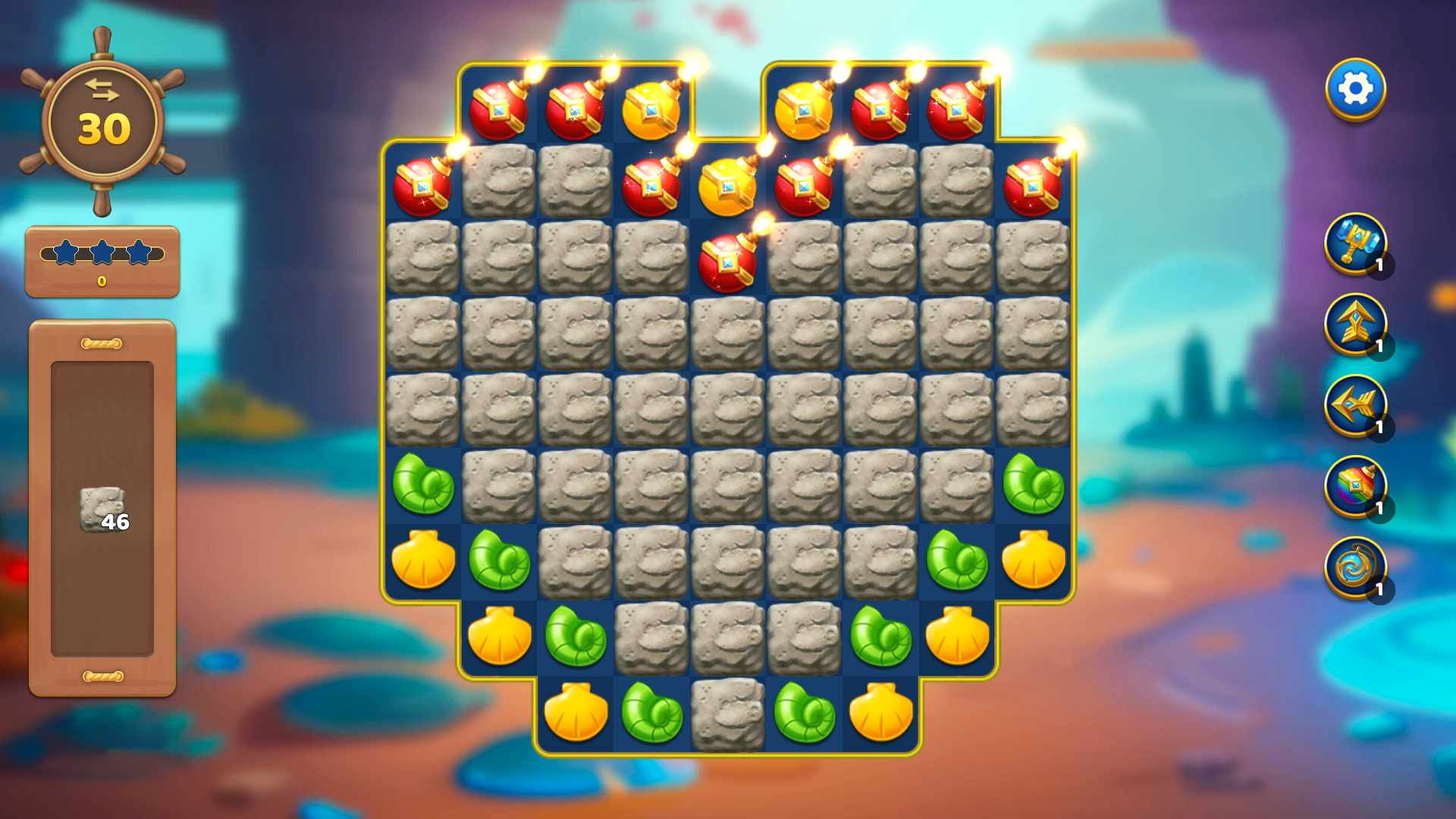
Fans of ocean-based mysteries and hidden treasure themes will find Oceanscapes - Secrets of the Lost Treasures hits a very similar tone, with its own take on underwater exploration and puzzle-solving layered over gorgeous aquatic scenes.
Oceanscapes - Secrets of the Lost Treasures
Swap shimmering underwater tiles to create explosive combinations and clear your path through mysterious ocean depths. Oceanscapes - Secrets of the Lo...
▶ Play FreeGameplay and Controls
How to play Atlantis: The Lost Paradise is genuinely easy to learn, even for first-time hidden object players, while still offering enough depth to keep veterans engaged across the full run of chapters. The core loop is simple: you're shown a richly illustrated scene and a list of objects to find within it. Click the correct items, cross them off the list, find everything, and move on. Clean, classic, satisfying.
But the game doesn't stay at that baseline for long. As chapters progress, the objects get smaller, more cleverly disguised, and increasingly blended into the visual logic of each environment. An ancient compass might rest against a stone wall that shares its exact color. A golden medallion might hang from a coral fan in a spot where both your eye and your brain assume it's part of the decoration. The placement decisions feel intentional rather than arbitrary, which makes the moments of discovery feel earned rather than lucky.
Beyond the core hidden object scenes, the game introduces several additional mechanics:
Interactive Environmental Puzzles — Standalone challenges appear between major hidden object levels. These include slide puzzles, rotating disc locks, jigsaw-style fragment reassembly, and pattern-matching challenges. Each puzzle type has its own tutorial prompt when it first appears, which is worth reading rather than dismissing. They break up the pace and offer a cognitive workout that's genuinely different from the scanning-and-clicking of standard hidden object gameplay.
Inventory-Based Progression — Some scenes require you to find specific items and then use them elsewhere. You might retrieve a key from one part of a room and use it to open a sealed chest in another area, revealing a new cluster of hidden items inside. This adds a light adventure-game layer that makes the exploration feel more connected and purposeful.
Collectible Symbols — Each scene contains hidden Atlantean symbols beyond the standard object list. These aren't counted in your main progress but unlock bonus content, alternative scene artwork, and achievement markers. Experienced players will want to track these down; casual players can ignore them completely and still enjoy the full main experience.
Chapter Structure — The game is organized into clear chapters, each centered on a distinct area of Atlantis. Each chapter ends with a more elaborate puzzle sequence and a story beat that advances the overall mystery. The chapter format makes it easy to play in natural sessions — you finish a chapter, get a story moment, and have a logical stopping point without losing progress.
Controls are entirely accessible. On desktop, left-click selects objects and interacts with the environment; some scenes add right-click interactions for environmental elements. On mobile browsers, touch controls map intuitively to the same actions. The interface stays clean throughout — your hint button is always visible, the object list is easy to read at all screen sizes, and any inventory items you carry appear in a tray at the bottom of the screen without obscuring the main scene.
Hints are limited and recharge slowly over time. This creates genuine strategic pressure around when to use them, which is more interesting than unlimited hints would be. The game is better for this constraint.
If dungeon-crawl aesthetics appeal to you alongside the hidden object format, Lost Dungeon combines both into a darker, more intense experience that shares the click-to-discover satisfaction with a very different visual atmosphere.
The difficulty curve is thoughtfully designed. Early scenes are generous with object size and placement visibility. Mid-game requires more careful attention and benefits from systematic scanning rather than random clicking. Late chapters will genuinely test your patience and observation skills — objects become tiny, camouflaged by similar-colored surroundings, or placed exactly where you least expect them.
One area worth mentioning critically: the game occasionally reuses object lists across similar scene types. If you revisit a chapter or replay a scene for collectibles, the list of items to find will be identical. This reduces the replay surprise factor somewhat, though the visual complexity of each scene still makes repetition manageable.
Hidden Objects: Lost Island 2 handles its difficulty escalation particularly well if you want a second title that properly rewards the scanning skills you'll develop playing Atlantis: The Lost Paradise.
Hidden objects: Lost Island 2
Searching for items in a cluttered scene is the ultimate test of observation that keeps your brain sharp and focused. Hidden objects: Lost Island 2 tr...
▶ Play FreeTips and Tricks
These are the techniques that will actually help you play better — not vague advice, but specific things you can apply to the next scene you load.
Scan in sections, not randomly. This is the single most impactful change you can make to your gameplay. Mentally divide the screen into four quadrants and work through each one from top to bottom before moving to the next. Random eye movement wastes time and causes fatigue. Systematic scanning consistently surfaces objects faster, especially in the densely detailed late-chapter scenes.
Let the scene's context guide you. Before clicking anything, spend a few seconds understanding what kind of space you're in. An Atlantean archive will logically contain scrolls, writing implements, and organizational tools near reading surfaces. A treasure vault will cluster valuable items near storage areas. The game's designers used environmental logic when placing objects — work with it rather than against it.
Save hints strategically, but actually use them. Many players hoard hints for an imagined "perfect moment" and then feel paralyzed about spending them. A practical rule: if you've been searching for a single object for more than 90 seconds, use a hint. Time spent staring at a stuck screen is worse than spending a hint that recharges anyway. The recharge timer means a used hint isn't gone forever.
Always check screen edges. The edges of each scene — particularly the top corners and bottom strip — are the most common locations for cleverly placed objects. Human eyes naturally fixate on the center of a scene, and level designers know this. After scanning the interior, do a dedicated pass around the perimeter.
Adjust your screen brightness for dark scenes. Atlantis: The Lost Paradise includes several deep-ocean chapters where the ambient lighting is intentionally dim to create atmosphere. These scenes are significantly easier with your monitor brightness slightly increased. Objects that seem invisible at standard brightness become findable with a quick adjustment.
Re-read object names carefully. The game sometimes uses descriptive or metaphorical names rather than literal ones. "Eye of the deep" might mean a polished oval gemstone. "Heart of fire" could refer to a red gem or a burning coal depiction. When stuck on a specific item, re-read its name and think about what it could represent symbolically in an ancient Atlantean context.
Play in full-screen mode. A larger viewing area makes objects easier to spot. Many items in later chapters are genuinely small, and playing in a reduced browser window is actively working against yourself. Full-screen is the correct default for any hidden object game, but it matters even more here given the visual detail in each scene.
Take breaks between difficult scenes. Eye fatigue is real, and hidden object games specifically cause it. If you've been stuck on a single scene for more than ten minutes, step away for a few minutes before returning. Fresh eyes spot things that tired eyes miss — this isn't patience advice, it's practical cognitive science applied to pixel-hunting.
Hidden Objects: Lost City features similar city-ruin environments and provides excellent practice for developing the scanning discipline that makes the harder Atlantis chapters manageable.

Hidden Objects: Lost City
Ghostly ruins and dense fog tell a story that everyone forgot long ago in the haunting atmosphere of Hidden Objects: Lost City. This title keeps you g...
▶ Play FreeComplete mini-games before skipping. The standalone puzzles between scenes aren't just filler — they sometimes contain visual motifs that hint at what types of objects will appear in the following hidden object scene. Players who pay attention to puzzle imagery occasionally get a head start on the next level's most obscure items.
Replay for collectibles in a second pass. Don't try to find all Atlantean symbols on your first run through each scene. You'll be focused on completing the main object list, and splitting attention makes both tasks harder. Finish the main game, then replay chapters specifically for collectible hunting. You'll be faster since you already know the layouts, and the symbol search becomes its own separate satisfying challenge.
Lost Things captures a similar sense of collecting and accumulating items across a variety of scenes — excellent for players who specifically enjoyed the collectible aspect of Atlantis: The Lost Paradise.
Lost Things
Hidden object games offer a unique way to sharpen your focus while escaping into a miniature world of wonder. Lost Things elevates this experience by ...
▶ Play FreeSimilar Games
Finished Atlantis: The Lost Paradise and looking for what to play next? The following games share elements of the experience — ancient mysteries, hidden objects, match-3 puzzles with exploration themes, or the general satisfaction of discovering what's been lost.
Collect Three: The Lost City applies match-3 mechanics to a lost civilization setting. You're sorting and collecting items in groups to gradually rebuild a ruined ancient city. The casual pacing and strong visual design make it an easy next step after the more intensive focus of Atlantis.
Pirate Paradise takes lost treasure in a nautical direction. The hidden object elements are strong, and the pirate adventure narrative provides a looser, more swashbuckling version of the same treasure-discovery satisfaction that makes Atlantis compelling.

Pirate Paradise
Matching games offer a unique way to sharpen your focus while unwinding after a long day. Pirate Paradise transforms this classic genre into a swashbu...
▶ Play FreeSirenhead's Lost Forest goes atmospheric and unsettling — darker, more tense, with a horror-adjacent setting. The hidden object mechanics are solid, and players who wanted Atlantis to be more mysterious and eerie will find that feeling here in full force.
Mystery of the Ocean - Lost Jungle: Match 3 blends ocean mystery with match-3 puzzle gameplay. The visual tone is close to Atlantis and the level design escalates at a satisfying pace. Good choice if you'd prefer match-3 mechanics over pure hidden object searching.
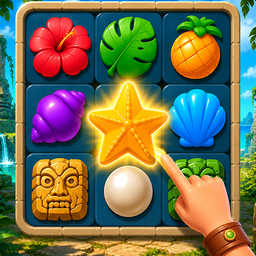
Mystery of the Ocean - Lost Jungle: Match 3
Matching glowing gems in rows of three or more triggers explosive combos that clear the board in Mystery of the Ocean - Lost Jungle: Match 3. You beco...
▶ Play FreeThe Lost City - Match 3 has a strong narrative thread through its puzzle levels — you're uncovering and rebuilding as you progress, which creates a sense of investment similar to what Atlantis: The Lost Paradise generates through its chapter structure.
Lost Treasures - Match 3 emphasizes the accumulation and unlocking side of match-3 gameplay. Clear rewards for completing difficult levels and a well-paced progression system make this easy to keep returning to.
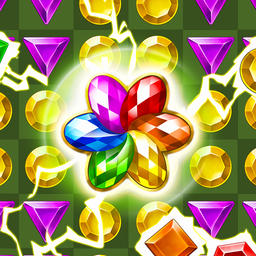
Lost Treasures - Match 3
Puzzle fans seeking a relaxing escape will find their new favorite addiction in Lost Treasures - Match 3. This vibrant experience challenges you to ma...
▶ Play FreeRoyal Kitchen: The Lost King takes a sharp genre turn into cooking and time management, but wraps it in a light mystery narrative about a missing royal. The tonal contrast is refreshing, and the gameplay is satisfying in a completely different way than hidden object searching.
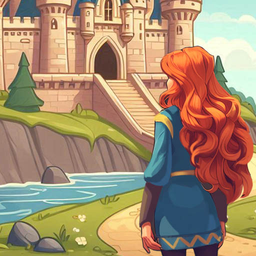
Royal Kitchen: The Lost King
Strategic time-management games thrive on the adrenaline of balancing constant pressure with rewarding progress. Royal Kitchen: The Lost King drops yo...
▶ Play FreeLost&Found: Find it all! is pure hidden object gameplay with none of the adventure game framing. Clean interface, varied scene types, satisfying audio feedback. If what you loved most about Atlantis was the core mechanic itself — stripped of story and cutscenes — this delivers exactly that.
The Lost Pyramid takes the ancient civilization angle into Egyptian territory. If the archaeological mystery framing of Atlantis appealed more than the underwater aesthetics, the pyramid setting here offers familiar intellectual territory with a distinct visual identity.
Lost Island: Adventure Farm adds resource management and farm simulation on top of the island exploration concept. More complex than a straightforward hidden object game, but rewarding for players who wanted more strategic depth layered into the discovery experience.